
Play Nice. What Jason Schreier Reveals in His Book About Blizzard
 Alexey Ermolaev
In 2024, Jason Schreier's new journalistic work was published, which is dedicated to Blizzard Entertainment. In his book, you will find many interesting details about the development of Warcraft, Diablo, Starcraft and Overwatch. From our article, you will learn about the most interesting moments of this book.
About Jason Schreier
Jason Schreier is a well-known gaming journalist who worked at Kotaku from 2011 to 2020, and then moved to Bloomberg. He is remembered for interesting articles, investigations and curious insights, which often turned out to be true. In addition, he has written several books on the gaming industry. Among them are "Blood, Sweat, and Pixels: The Triumphant, Turbulent Stories Behind How Video Games Are Made" and "Press Reset: Ruin and Recovery in the Video Game Industry". They are collections of stories about developers who go through a series of difficulties to eventually release their dream project or end up with nothing.

Here I would like to add the personal opinion of the author of these lines. I read all the books on the gaming industry that are published in Russian. Among them, there are some frankly boring works. But I would recommend Jason Schreier's works to anyone who is even slightly interested in video games. They always contain interesting information and are easy to read.
What books by Jason Schreier have you read?
In a nutshell about the book about Blizzard
Jason Schreier's book is Play Nice: The Rise, Fall, and Future of Blizzard Entertainment. Here is the complete history of the company, from its inception on February 8, 1991 to 2024. It is based on interviews with three hundred people, including former and current employees of Blizzard and Activision, as well as people associated with these companies.
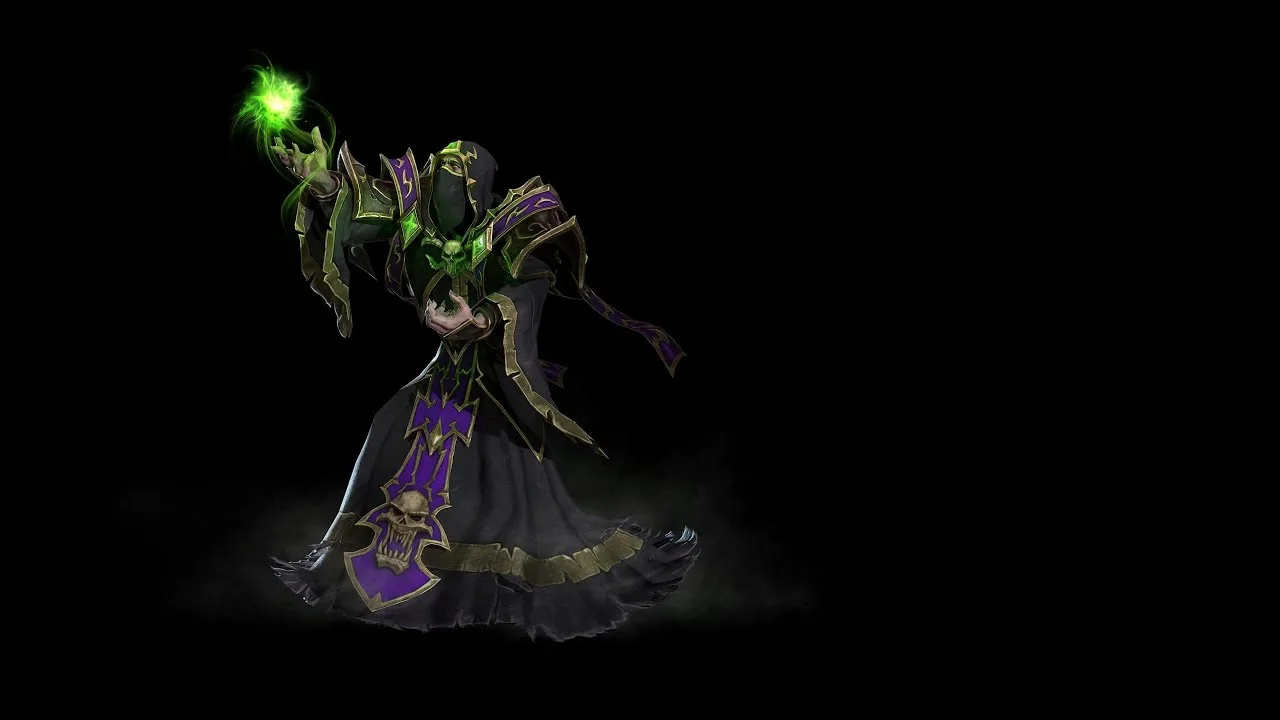
BlizzCon-2023 as a demonstration of the attitude of fans to modern Blizzard
This book does not begin in 1991, when Blizzard was founded, but from today. More precisely, from November 2023, when the main material was written. That was when the last BlizzCon, an event dedicated to the company's games, took place. After a three-year break due to the coronavirus pandemic, it seemed like a return to the holiday. Like-minded people who spend nights on the battlefields of World of Warcraft and Overwatch gathered in the exhibition hall of the Anaheim Convention Center. It would seem that everything is exactly the same as before.
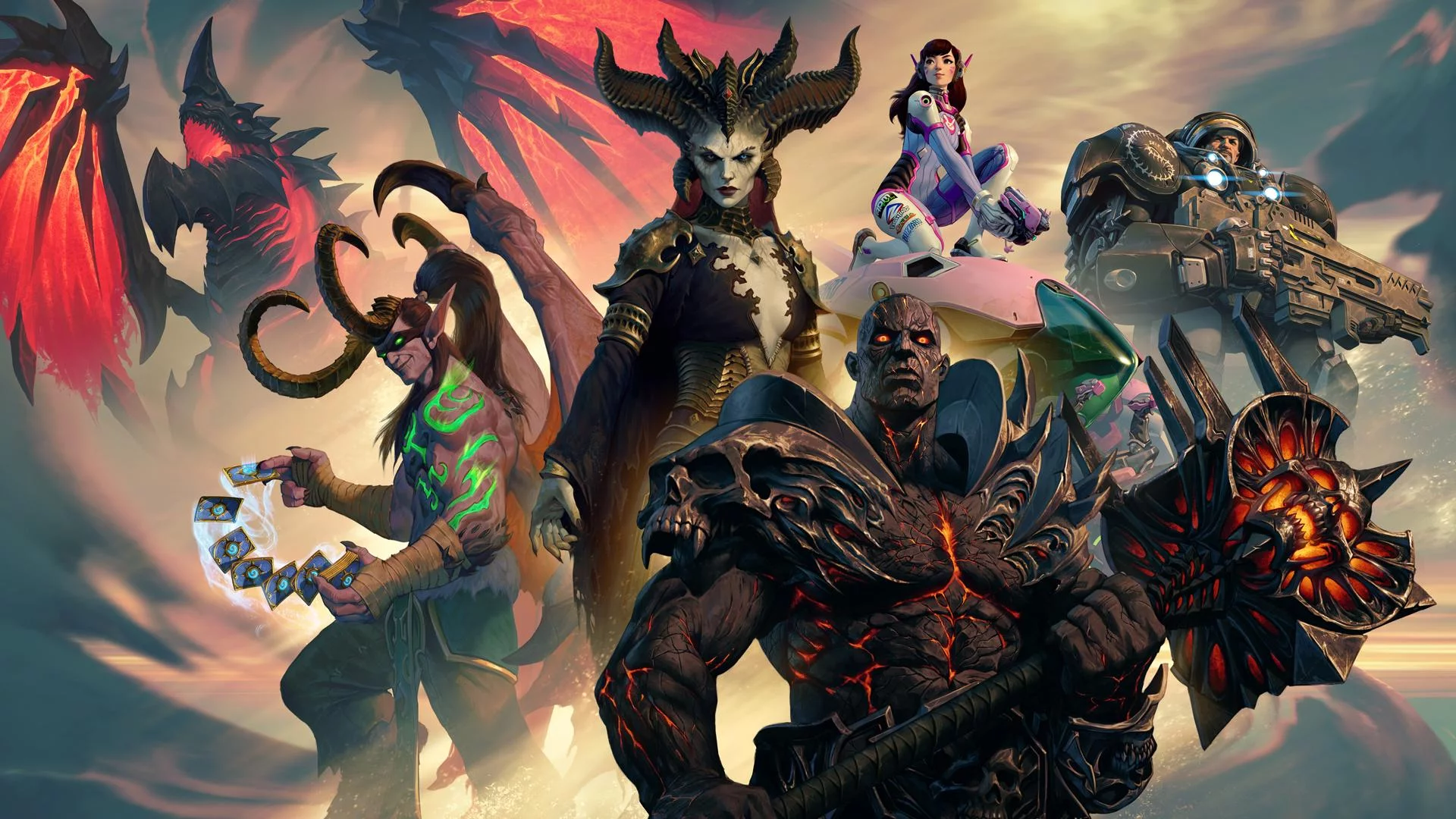
But there is one small nuance that not everyone paid attention to. The organizers failed to sell all the tickets to the exhibition. This is partly due to their high cost, but the main reason is the decline in player interest in Blizzard projects. By 2023, the company, which used to release only hits, turned out to be a passing studio. The failures of Diablo Immortal, Warcraft 3: Reforged and Overwatch 2 ruined its reputation, and numerous scandals pushed away many players. In fact, those who did come to BlizzCon-2023 did so out of habit or in the hope of a miracle and new announcements.
The desire to play Dune 2 online led to the creation of Warcraft: Orcs and Humans
Many game studios of the 80s and 90s were clubs of video game fans who literally lived in virtual worlds. Blizzard is no exception. Its employees spent a lot of time playing Dune 2, the first full-fledged real-time strategy game. However, even the most complex tactics they invented seemed unnecessary, because in any case, they had to fight against artificial intelligence. The idea of arranging a battle online led them to make their own game in this genre. It was called Warcraft: Orcs & Humans.
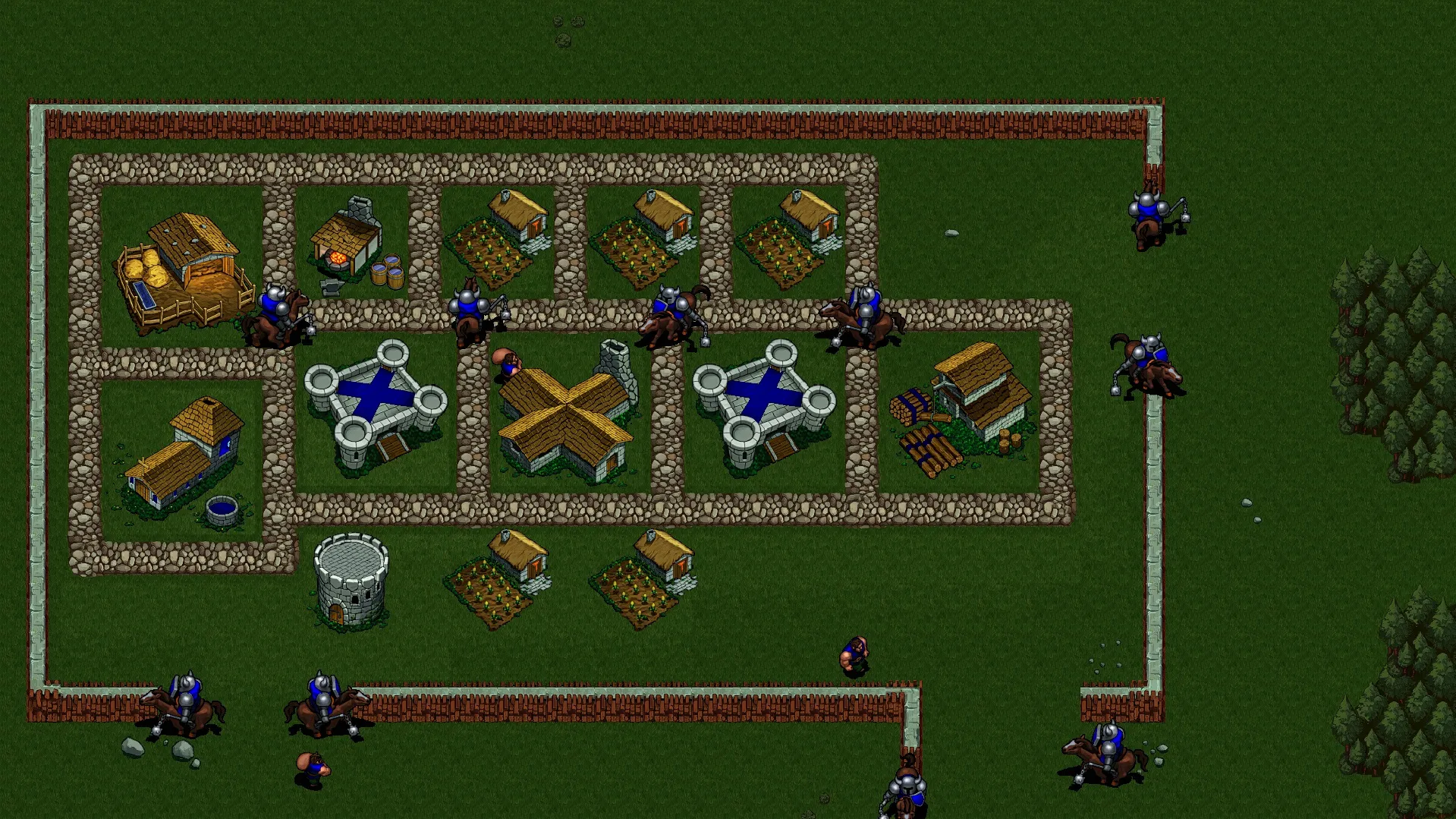
Blizzard is sometimes criticized for not bringing anything new to the gaming industry, but only skillfully using other people's ideas. In our opinion, this is an exaggeration. For example, the first Warcraft added a full-fledged multiplayer to RTS, thanks to which strategies became much more popular than before. The effect can be compared to the appearance of the deathmatch mode from the original Doom.
Sarah Kerrigan is a reference to Tanya from Red Alert and figure skaters
A rivalry was emerging between Blizzard and Westwood Studios, the authors of Dune 2 and Command & Conquer. Both companies released first-class real-time strategies, so a clash of interests seemed inevitable. This was expressed, among other things, in barely noticeable Easter eggs that seem unobvious years later. We will analyze one of them in this article.
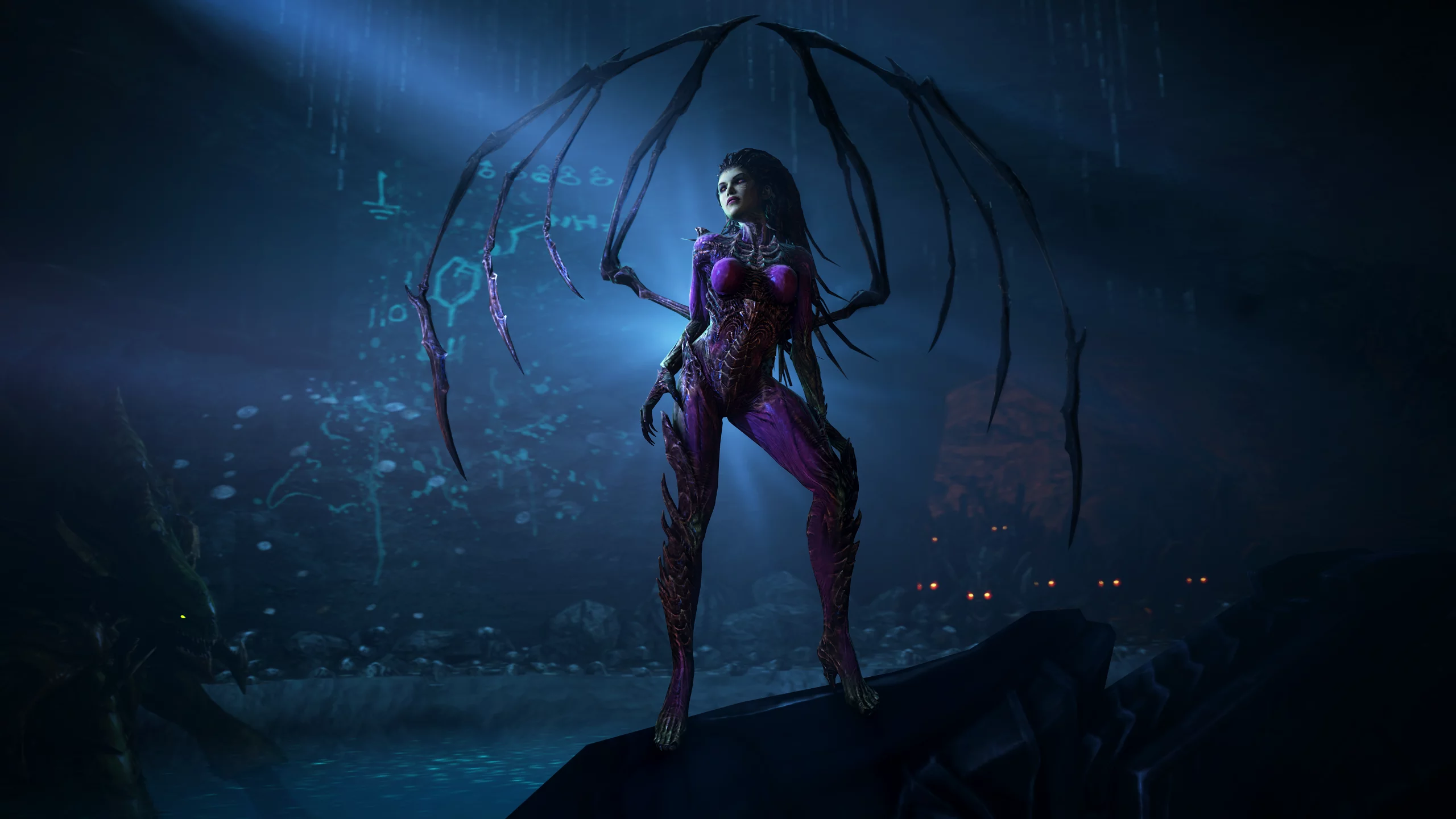
In the first Red Alert, one of the most powerful Allied units was Tanya, a girl who killed any infantryman with one shot and knew how to blow up buildings. The Blizzard developers associated her with figure skater Tonya Harding. In 1994, her rival Nancy Kerrigan was attacked. This story thundered across the country. And since Westwood named the character Tanya, Blizzard decided to give their heroine the surname Kerrigan, and chose Sarah as the first name.
The story of these skaters is dedicated to the film "I, Tonya" with Margot Robbie in the leading role.
Battle.Net could have become an online store like Steam back in the 90s
Battle.Net was initially launched in 1997 as a multiplayer service for the first Diablo. It immediately gained popularity, so its functionality quickly expanded. Among the proposals was the idea of selling third-party publishers' projects on it. However, the management refused. It seemed too complicated from a legal point of view. However, in theory, we could have gotten an analogue of Steam a few years before the appearance of the Valve online store. And another big question is how the gaming industry would have changed if such a grandiose project had belonged to Blizzard.
Mass layoffs after the phenomenal success of World of Warcraft
In the late 90s and early 2000s, Blizzard was a company with an impeccable reputation. Each of its projects turned out to be a real hit. But World of Warcraft exceeded the most optimistic forecasts, because millions of people played it. Moreover, people had to buy the full version, and then renew the subscription every month for an additional fee. Money flowed like a river at Blizzard.
It was all the more surprising to learn that mass layoffs began in the company. Those same people who "crunched" day and night, after a successful release, instead of receiving a bonus, were laid off. Some of them were invited back after a while, but with a noticeable pay cut.
Those employees who stayed to work for Blizzard also learned that they would be paid less than before. And when questions arose for the management, they were told: "You work for the idea!" This is an extremely cynical phrase in relation to their own employees. Many of them really wanted to get a job at the studio that released their favorite video games. But no one could have imagined that the commercial success of the new project would lead to salary cuts and layoffs. Moreover, they soon found out that other publishers paid much more.
The Merger with Activision and Bobby Kotick's Lie
In December 2007, the merger of Activision and Vivendi Games, which included Blizzard Entertainment, was announced. Bobby Kotick, Activision's CEO, took an active part in the negotiations. He assured that he would not change anything, because the company was already profitable. "Why kill the goose that lays golden eggs?", the top manager said. However, this turned out to be untrue.

In the early days of its existence, Blizzard was guided by the rule — developers are given as much time as they need to realize their ideas. As a result, new games took a long time to create, but they turned out to be great. Bobby Kotick has a different approach — you need to squeeze the maximum money out of any series. Many of them switched to an annual production cycle, because of which employees do notmanaged to implement something new, burned out and left the company. This scheme worked well with Call of Duty largely due to the large number of studios working on it. All the others, for example, the Tony Hawk's Pro Skater and Guitar Hero series, got worse with each installment, which directly affected sales. And as soon as they fell, the publisher lost interest in them.
Throughout the time that Bobby Kotick ran Activision Blizzard, he demanded that new additions to World of Warcraft be released even more often. He was of little interest to other projects. Sales of Diablo 3 reached 30 million copies, but this direction seemed unpromising, because users made a one-time purchase, and did not pay publishers every month. As a result, the second expansion for this game was canceled, and a cross was put on the future of Starcraft. And in general, the emphasis began to shift towards online games, where microtransactions in the spirit of the Overwatch dilogy and the mobile Diablo Immortal are possible. Even the planned single-player campaigns were canceled, because the publisher did not see the point in spending resources on them.
Long-term depression as a result of Diablo 3 development
Excellent sales of Diablo 3 are the result of high expectations and long-term support with the systematic elimination of bugs and controversial mechanics. However, at the start, the project was in poor condition. This caused disappointment among those who waited for the third part for long eleven years.
And the fans splashed out their anger on the game director Jay Wilson. The man was accused of all sorts of sins and even threatened with violence for “destroying Diablo.” He had to contact the FBI for help, and his wife called the police every time someone came to their door. The family was worried about his life when Jay left the house. As a result, he fell into depression and suffered a serious psychological disorder, the effects of which manifested themselves much later. Even the prospect of working on a new project called Avalon did not please him. In 2016, he left Blizzard and was going to retire from the gaming industry.
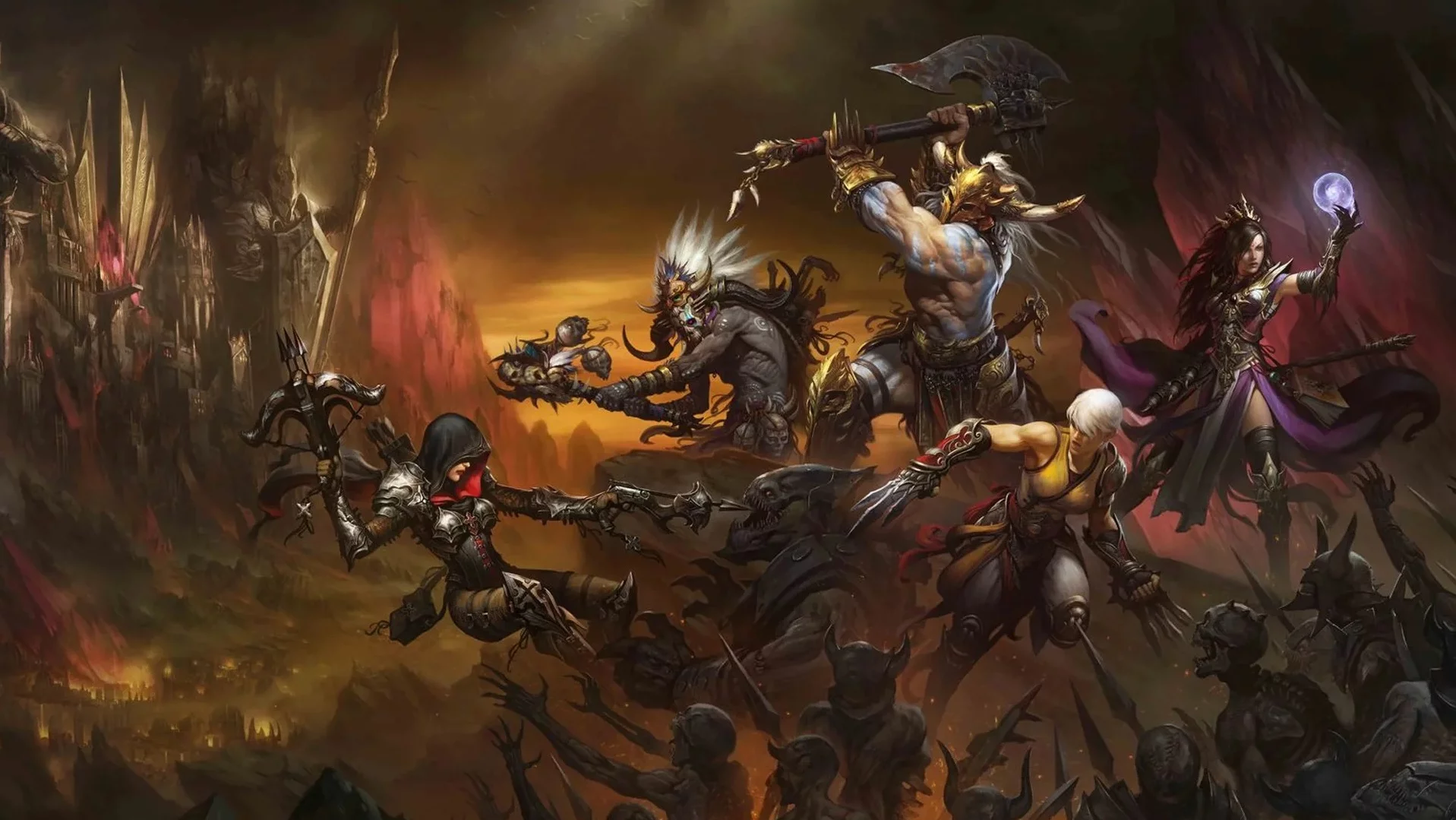
Only in 2023, he, together with Julian Love, who worked on Diablo Immortal and Diablo 4, announced the creation of a new gaming company, Gas Giant Games.
Could such threats have come true? It's hard to say. But we will recall that John Lennon of The Beatles was killed by his former fan with four shots from a revolver.
Blizzard management did not believe in the success of World of Warcraft Classic
Like many online games, World of Warcraft has changed and transformed over time. The developers were sure that all the changes were for the better, so they ignored fans' requests to provide the opportunity to play the classic version of WoW from 2004. As a result, enthusiasts did it themselves. In 2015, an unofficial Nostalrius server was launched, which was soon closed for copyright infringement. Fans were angry.
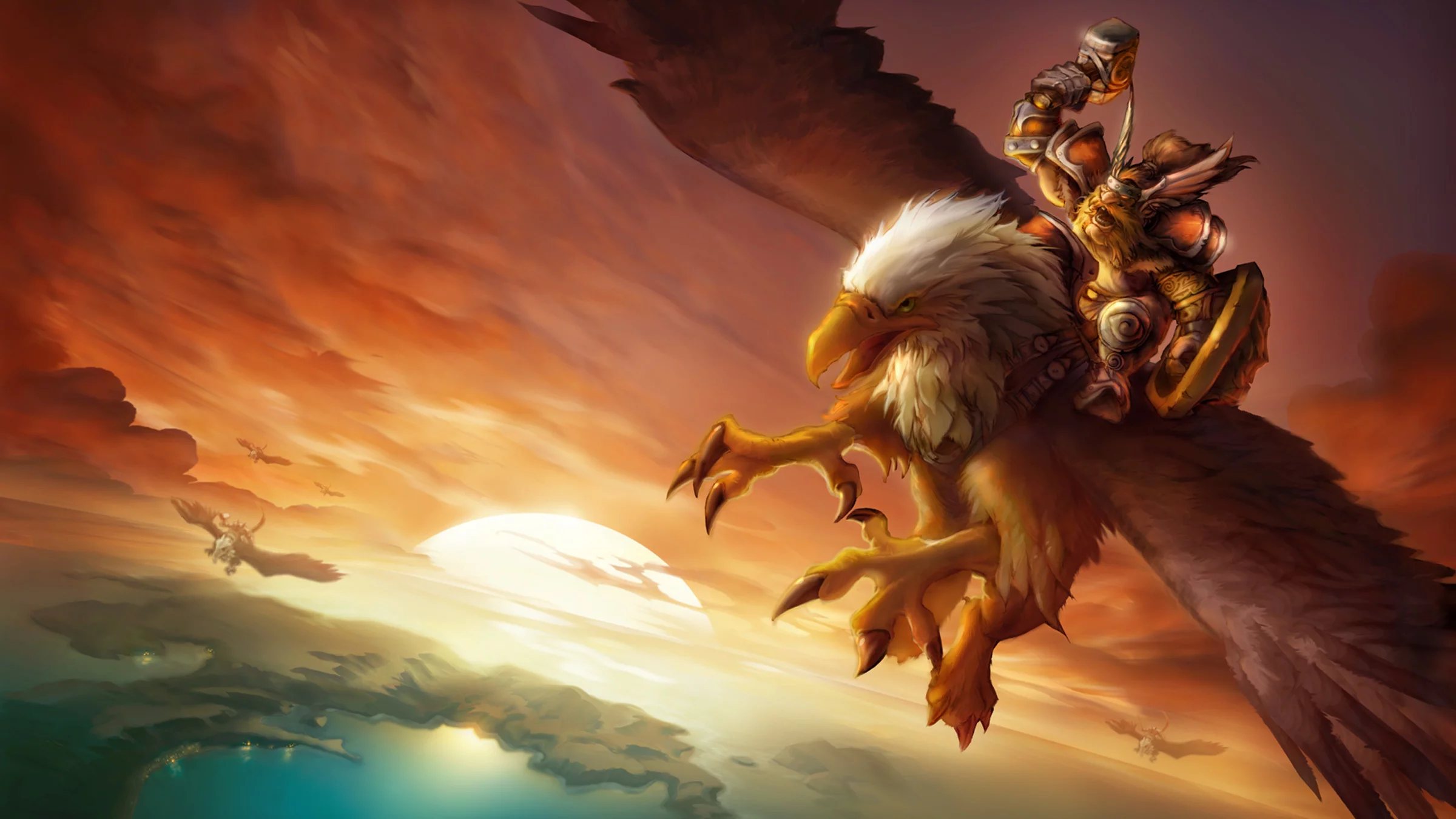
However, this incident affected Blizzard's plans — a year and a half later, they announced World of Warcraft Classic, which was the very first version of the game. At that time, the studio's management still thought that fans would quickly become disillusioned with it. But this did not happen. It gained popularity and stood the test of time, so later the Burning Crusade and Wrath of the Lich King add-ons were re-released.
***
Of course, this is far from all that is in Jason Schreier's book. The Dota 2 epic and the failure of Heroes of the Storm, the mixed reaction to Diablo Immortal, the failure of the Overwatch League, numerous scandals — we recommend that you read all of this in person. Believe us, it's worth it.
Do you like the work of the Blizzard studio? Or have you already become disillusioned with it? Share your opinions in the comments!
Favorite Blizzard series or game
-
 Blizzard Considering Diablo 4 Release on Switch 2 — Console Has Enough Power, Says Developer
-
 'Anthem with Dragons': BioWare Devs Reveal What Went Wrong with Dragon Age: The Veilguard — Jason Schreier Investigation
-
 Blizzard Bans WoW Classic Players Over Its Own Mistake
-
 Former Blizzard President Points Out Diablo 4's Biggest Problems
-
 Jason Schreier Revealed Details of Canceled EA Black Panther Game