

Resident Evil Turns 30: The Secret Behind Its Enduring Success
 Fazil Dzhyndzholiia
On March 22, 1996, the first Resident Evil was released in Japan, where it was known as Biohazard. This experimental title by designer Shinji Mikami immediately became one of the biggest hits on the original PlayStation and, within a couple of years, grew into a beloved trilogy that laid the foundation for one of the most important media franchises — with dozens of games, films, and a level of popularity that remains out of reach for most other horror series. To mark the anniversary of Resident Evil, let’s break down what makes the franchise so special.
Games for Every Taste
Over thirty years, Capcom has released so many mainline Resident Evil entries and spin-offs that it is now impossible to give a clear definition of what a “true” Resident Evil even is. Depending on personal preferences or when a player first encountered the series, fans give very different answers to what the ideal Resident Evil should be.
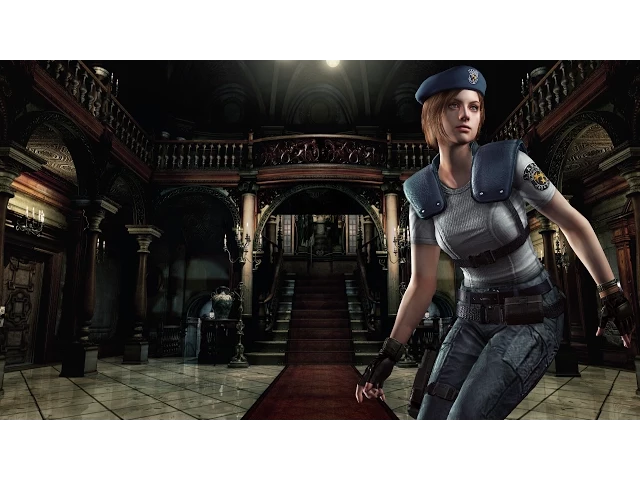
In fact, this is an extremely positive thing: it shows that the developers are not resting on their laurels and continue to experiment with the formula. Largely thanks to this willingness to evolve, Resident Evil appeals to a very broad audience — almost every gamer, even those who don’t usually enjoy horror, can find entries here that resonate with them to some degree.
For example, fans of slower, classic survival horror can turn to the original trilogy (still highly engaging despite its now-unusual controls) as well as newer titles like the Resident Evil 2 remake or Resident Evil 7. Those who prefer fast-paced action have Resident Evil 4 and Resident Evil 5. There are also games that blend different gameplay approaches, such as Resident Evil: Revelations, Resident Evil Village, and now the new ninth entry, whose hybrid game design we discussed in our Resident Evil Requiem review.

The entries differ not only in genre but even in camera perspective, and fans still regularly debate which one is the “true” way to play: fixed camera, third-person, or first-person (incidentally, Mikami originally wanted the first Biohazard to use a first-person view, but the PS1 hardware couldn’t support it). The truth is that at this point there is no single canonical answer — instead, there is a wide variety of excellent games for every taste.
Which camera perspective in Resident Evil is the most “true to the series”?
Developers Who Aren’t Afraid to Learn from Mistakes

When it comes to a long-running series with such a dense release history, it’s inevitable that some entries will be disappointing. Everyone makes mistakes. But what sets the creators of Resident Evil apart from many other developers is their ability to acknowledge those mistakes, analyze them, and draw conclusions.
A clear example is the sharp shift in direction after Resident Evil 6, which many fans consider the weakest mainline entry in the series. In our Resident Evil ranking, it also placed last — and not without reason: in its pursuit of cinematic action, the game turned into something close to self-parody, more reminiscent of Call of Duty or blockbuster transformer-style spectacles than Resident Evil. At the same time, it’s important to note that despite the criticism, Resident Evil 6 sold over 16 million copies. Capcom could have easily continued in this direction, and such entries likely would have continued to sell well.
Instead, the producers and designers at Capcom paused, reflected on their work, and identified where the series had gone off track. Resident Evil 7 became something of an apology for RE6, making an unexpected return to classic survival horror and breathing new life into the franchise.
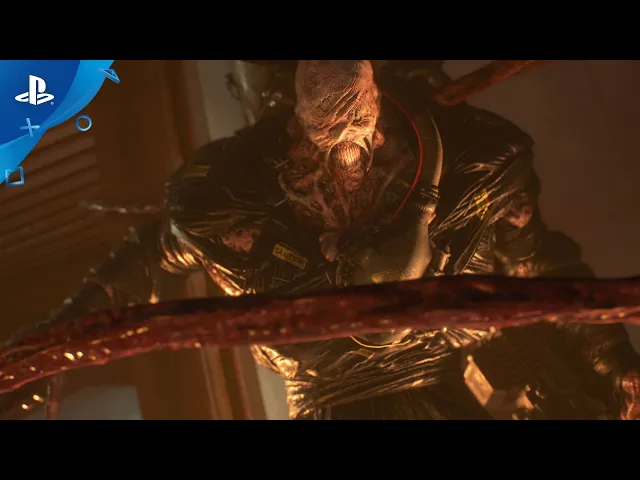
Capcom’s ability to learn from mistakes hasn’t gone anywhere since. For example, after the mixed reception of the Resident Evil 3 remake, the studio made every effort to avoid disappointing fans with the Resident Evil 4 remake. Moreover, in the first weeks after each new release, the developers conduct surveys to understand what players liked — and what they didn’t.
Consistent Level of Quality
It’s worth noting that even the weaker Resident Evil titles are still decent games in their own way. Resident Evil 6, for instance, works well as a co-op experience and can be a lot of fun with a friend, while the updated RE3 — though far from the best remake — remains an engaging game if you view it separately from the original. Truly disastrous Resident Evil entries over the past thirty years can be counted on one hand: among the more recent ones, perhaps only the dreadful 2016 shooter Umbrella Corps comes to mind. If you're looking for an interesting game to shoot hordes of the undead, there are plenty of solid alternatives in our list of the best zombie shooters.
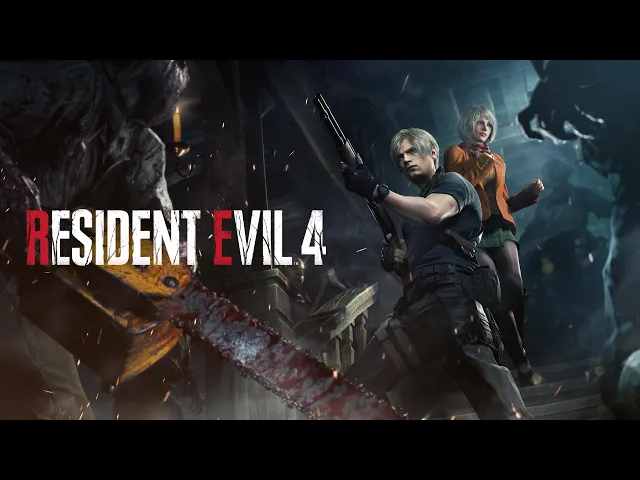
And the fact that Capcom consistently delivers at least solid — and often outstanding — projects is one of the franchise’s key strengths. Gamers have developed a very high level of trust in Resident Evil, which is why each new title is met with strong anticipation.
A Well-Balanced Release Strategy
It’s also worth highlighting how Capcom has structured the Resident Evil production cycle since Resident Evil 7. Over the past ten years, the developers have significantly expanded the series’ audience while retaining longtime fans through a balanced alternation of new entries and remakes.
Titles like Resident Evil 7 and Resident Evil Village serve as excellent entry points for newcomers. They are not too tightly tied to the lore of previous games, focus on new settings, and feature a completely new protagonist.

Remakes have also become a strong entry point for many players, as they preserve the core strengths of the classics (with the possible exception of RE3) while significantly modernizing gameplay, controls, and storytelling. At the same time, these reimaginings act as a powerful source of nostalgia for longtime fans.
Thanks to a well-crafted sequence of strong releases, Resident Evil is currently at the peak of its popularity, as demonstrated by Resident Evil Requiem, which sold over 6 million copies in less than a month. That’s an impressive result for a horror game, though partly expected. The developers have long earned the audience’s trust, and fan affection for Leon Kennedy — recently reignited by the success of the Resident Evil 4 remake — has also played a role.
A Bright Future

Looking ahead, it seems fans can expect even more high-quality content. Capcom has already announced a story expansion for Resident Evil Requiem. In addition, according to numerous rumors, the company may reveal a remake of Resident Evil Code: Veronica this year, with a release planned for 2027.
Furthermore, insiders claim that a reimagining of Resident Evil Zero, another remake of the original Biohazard (which already received an updated version for GameCube in 2002), and Resident Evil 10 are all in development. If everything goes according to plan, fans can expect a new Resident Evil release almost every year in the coming years.
Additional optimism comes from the new Resident Evil film directed by Zach Cregger, known for Barbarian and Weapons. The franchise has not had the best track record with film adaptations, but if anyone can break the curse, it’s the creator behind some of the most highly acclaimed horror films of recent years. A supposed version of the script recently surfaced online: Cregger tells the story of new characters not directly connected to the games, but the plot clearly retains the spirit of the series, which is encouraging. The premiere is scheduled for September 2026.
***

Resident Evil is far from the only gaming franchise from the 1990s that remains relevant today, but few others can boast such a consistent stream of high-quality releases. Longtime fans can look back on the journey with fondness, while those who have only recently joined have done so at one of the best possible moments: over three decades, a powerful library of hits has been built, making it easy to catch up. By the way, we also have a guide on the best way to experience the series in 2026.
What do you think? What emotions does the Resident Evil anniversary evoke for you? Do you have any memories associated with the series? Share in the comments.
Which era of Resident Evil do you like the most?
-
 Is Ada Wong coming back? The insider shared new information about the DLC to Resident Evil Requiem
-
 Capcom earned a huge amount from Resident Evil Requiem, but most of it was brought by PC gamers
-
 A record for the franchise. Resident Evil Requiem quickly reached 6 million copies sold
-
 Grace Ashcroft Resident Evil Requiem Collector’s Figure Announced
-
 Director of the New Resident Evil Movie Has Already Finished Resident Evil Requiem Twice
-
 27 Best Games Like Call of Duty: Shooters Set in the Past, Present and Future