
NVIDIA Announces DLSS 5: Generative AI to Reshape Gaming Visuals
 Vladislav Nikolaev
At the GTC 2026 conference, NVIDIA unveiled the fifth generation of its DLSS technology. Moving beyond simple upscaling, DLSS 5 actually "redraws" frames using generative AI to achieve a new level of photorealism. NVIDIA claims this is the most significant leap in computer graphics since the introduction of Ray Tracing.
Unlike offline video AI models, DLSS 5 operates in real-time. The technology has been specifically trained to handle complex details like hair, skin, and fabric textures. Developers will also have access to flexible tools, allowing them to tune the AI's intensity to ensure it respects a game's unique artistic direction.
DLSS 5 is optimized for the Blackwell architecture. While the live demonstration was powered by a PC featuring dual RTX 5090s, the consumer release will only require a single RTX 50-series card.
NVIDIA plans to launch DLSS 5 in the fall of 2026. At launch, the technology will be integrated into Resident Evil Requiem, Starfield, Hogwarts Legacy, Assassin's Creed Shadows, The Elder Scrolls 4: Oblivion Remastered, Naraka: Bladepoint, Where Winds Meet, Black State, CINDER CITY, NTE: Neverness to Everness, Sea of Remnants, Phantom Blade Zero, and more. You can see the visual transformation in the trailer below.
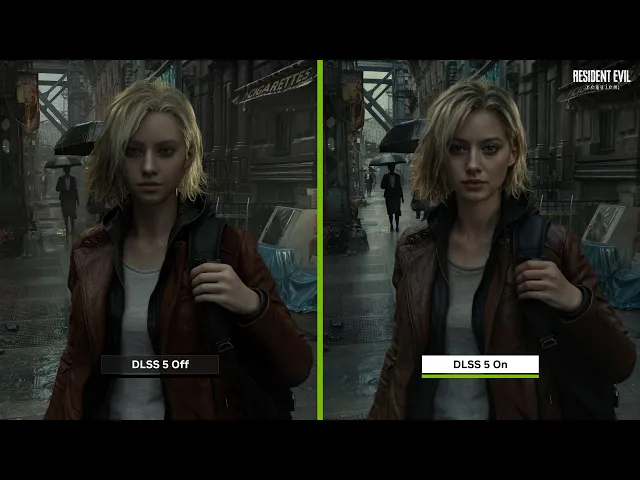
Do you think DLSS 5 will be a true revolution for gaming graphics? Share your thoughts in the comments!
-
 The Future of Gaming or a “Cheap Beauty Filter”? Why DLSS 5 Is So Controversial
-
 Developers and Players Slam DLSS 5 as a “Garbage AI Filter” That Destroys Artistic Style
-
 The Era of 'Universal Soldiers' Is Over: NVIDIA Ditches Its Old GPU Strategy
-
 A million times faster than the GTX 10 series: NVIDIA promises a future of graphics that will make even the RTX 5090 look obsolete
-
 Leaked FSR 4.1 vs. DLSS 4.5: AMD Catches Up to NVIDIA, but Stumbles on the Details