

An Unexpected Twist: AMD's Top-Tier Laptop Chip Finds a New Home in Mini-PCs
 Arkadiy Andrienko
At IFA 2025 in Berlin, AMD representatives confirmed the surprising yet successful pivot of their flagship mobile processor, Strix Halo. The lineup, originally intended to be the heart of powerful AI-enabled laptops, has instead become the core of over 30 compact desktop systems (mini-PCs).
The original concept of using Strix Halo in thin-yet-powerful laptops failed to gain significant traction with manufacturers and users. Following the initial announcement, expected models from ASUS and HP never materialized.
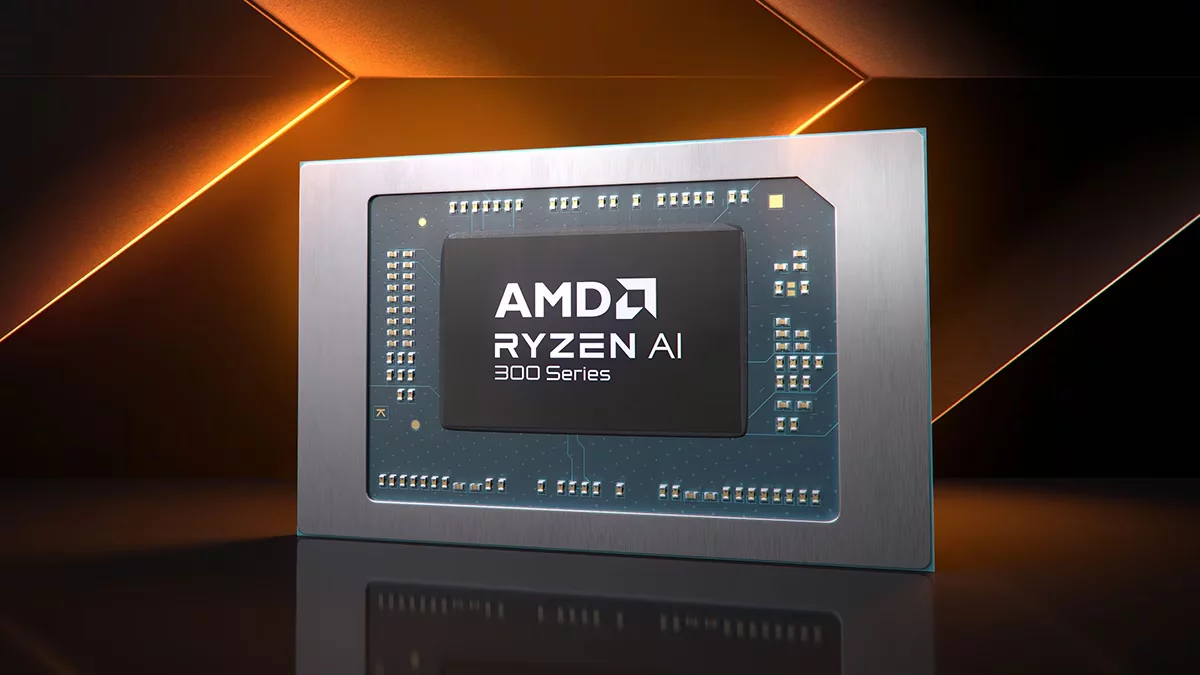
However, mini-PC manufacturers were quick to recognize Strix Halo's immense potential. Its high-performance CPU, discrete-level GPU graphics, and powerful integrated Neural Processing Unit (NPU) made it the ideal foundation for "AI Dev Boxes" — compact workstations designed for developing and running local AI models.
NVIDIA is also actively pushing into this space with its DGX Spark system, but AMD's solution offers a more accessible entry point. That said, Strix Halo-based systems remain premium. A fully-equipped mini-PC with the top-tier Ryzen AI Max+ 395 chip and a large (128GB) RAM configuration starts at around $2,000, a price point that initially gave some manufacturers pause.
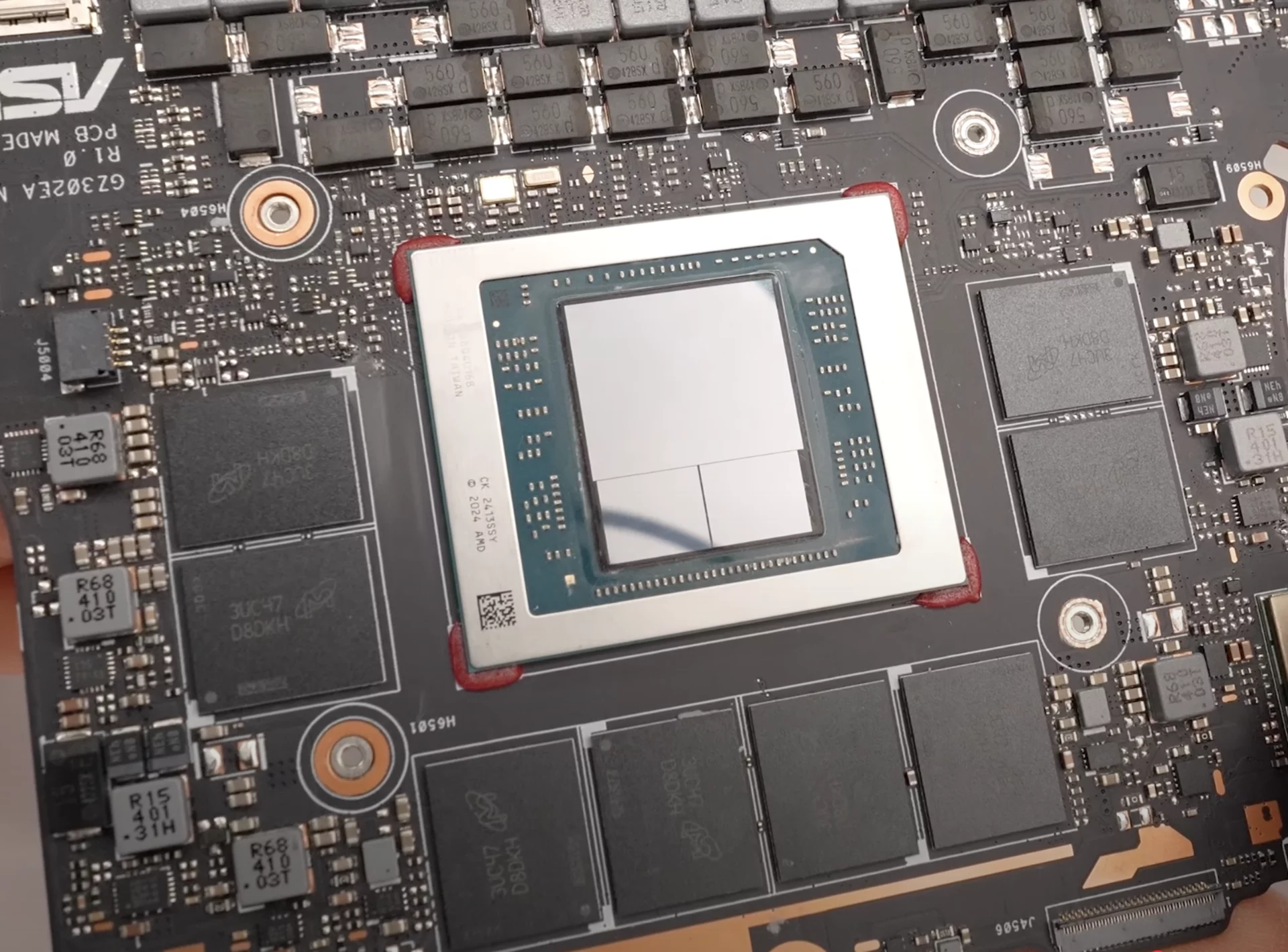
The first models are now hitting the market, with more affordable options for the average user on the horizon. While initial offerings from HP (Z2 Mini G1a) and GMKtec (EVO-X2) hover around the $2,000 mark, they will soon be joined by new devices from Beelink, Geekom, Corsair, and others at a significantly lower price point of $1,000 to $1,500. By the end of the year, the selection of Strix Halo-based mini-PCs is expected to expand considerably, effectively creating a new category of high-performance compact computers.
The mini-PC market is rapidly expanding beyond its niche, making a serious push into the high-performance computing segment. The emergence of Strix Halo-based systems is only accelerating this transition. Within the next couple of years, users who don't require powerful discrete graphics cards for gaming or work could easily switch to these high-performance compact systems.
-
 AMD Boosts Memory: 16GB Radeon RX 9070 GRE Set for Fall Release
-
 AMD Plots a Return to the High-End GPU Race
-
 AMD Accidentally Exposes FSR 4 Source Code
-
 US Retailer Leaks Pricing for AMD's Upcoming Ryzen 9000F Series Processors
-
 AMD's FSR 4 Boosts Image Detail, But Comes with a Small Performance Hit vs. FSR 3