
Google and Qualcomm Tease a Unified Android OS for Laptops
 Arkadiy Andrienko
At the Snapdragon Summit 2025, Google's Senior Vice President, Rick Osterloh, and Qualcomm CEO Cristiano Amon publicly discussed their collaboration on a universal platform for different device categories.
Osterloh stated that Google is working to unify the underlying technology for smartphones and personal computers. A key part of this strategy involves adapting Android's capabilities and its AI features for the large screen. This includes bringing Gemini models, the AI assistant, and the entire Android app ecosystem into this new environment, effectively pushing Android beyond its traditional mobile boundaries.
In the past, we built very distinct systems for PCs and smartphones. We have now begun a project to converge them. Together, we are building a common technical foundation for our products in desktop system categories.

Qualcomm's CEO, Cristiano Amon, reacted to these plans with great enthusiasm, mentioning that he has already seen a working prototype that brings this vision of mobile-PC convergence to life. This joint statement appears to confirm earlier reports about a long-term Google project aimed at merging Chrome OS and Android. The fact that the companies are now speaking openly about it suggests the project is moving into a more active phase of development.
In practical terms, this initiative paves the way for laptops running an adapted version of Android instead of the traditional Chrome OS. The first such device could be a Pixel laptop, positioned to compete directly with Apple's MacBook. While no official timeline for the platform's market release was provided, it's clear that Google intends to create a unified ecosystem where applications and services work seamlessly across both smartphones and PCs.
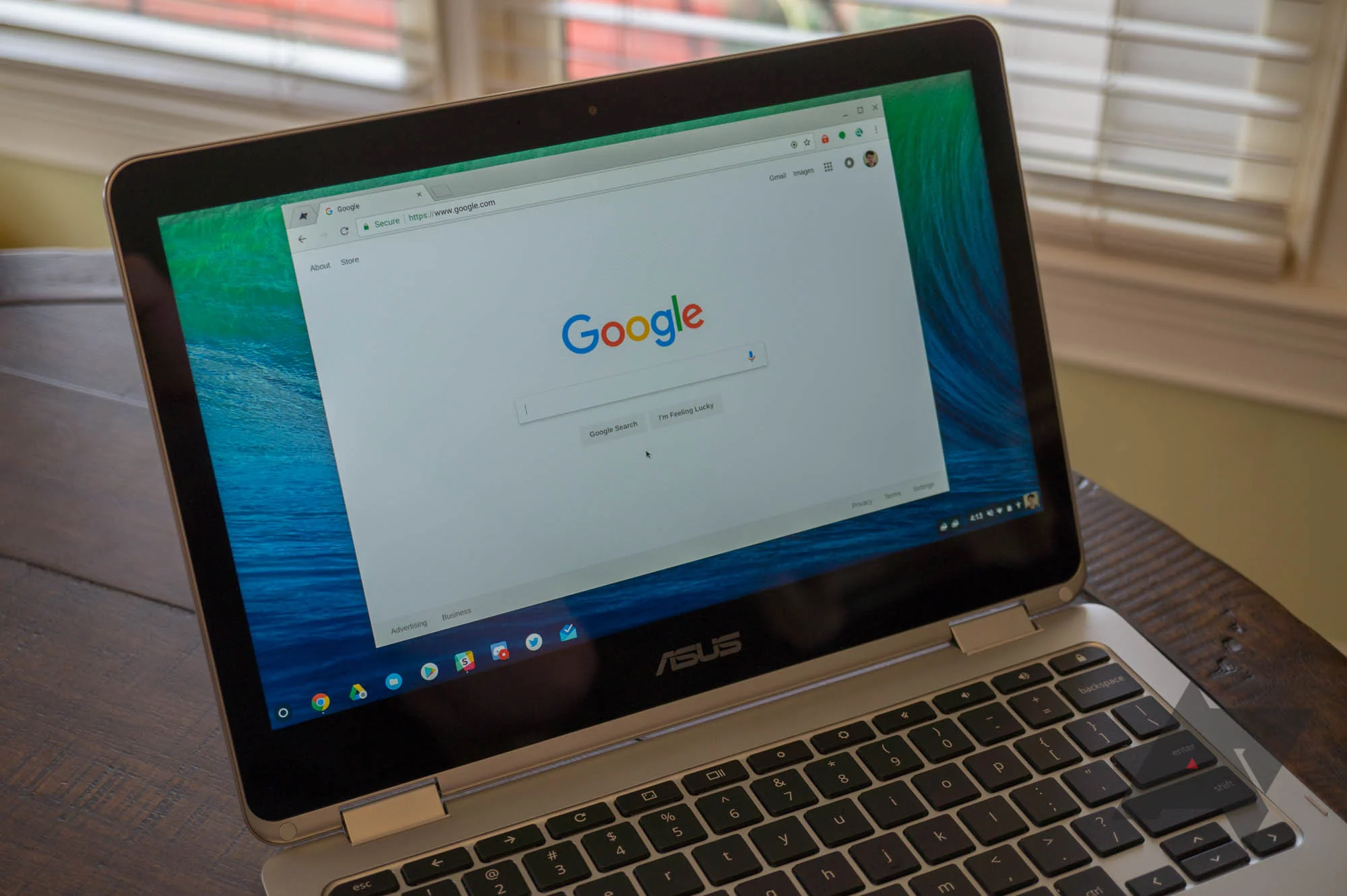
This move towards a single OS is a logical extension of Google's broader strategy to deeply integrate artificial intelligence across all its products. We're already seeing this in action with the Chrome browser, which recently began integrating the Gemini assistant. AI features for content analysis on web pages, semantic search, and enhanced security fit perfectly into the concept of this future platform.
Once this operating system becomes a reality, we can expect such AI functionalities to work at a system-wide level, enabling seamless interaction between applications, the browser, and peripheral devices — ultimately creating a truly intelligent and interconnected ecosystem.
-
 Google Completes Block on Search for Browsers Without JavaScript
-
 Google Rolls Out Second Beta of Android 16 QPR2 with Flexible UI Customization
-
 Google Photos Gets Veo 3 AI for Turning Photos into Videos
-
 Google Cites AI as a Key Driver in the Rapid Decline of the Open Web, Court Documents Show
-
 Google Revives Androidify with AI to Craft Your Android Bot in Seconds