
Modders vs. Developers: DLSS 5 Will Be Added Even to Games That Haven't Been Updated in Years
 Arkadiy Andrienko
NVIDIA continues to reveal details about the future of its graphics technologies. As it became known during the GTC 2026 conference, the new DLSS 5 will feature tight integration with the open-source NVIDIA Streamline toolkit.
In short, Streamline acts as a kind of universal bridge between a game engine and the graphics API. It simplifies the implementation of upscalers (like XeSS, FSR, or DLSS) and frame generation technologies, freeing developers from having to write unique code for each method. This approach does have a downside: the technology could slip out of developers' control and become a foundation for widespread modding.
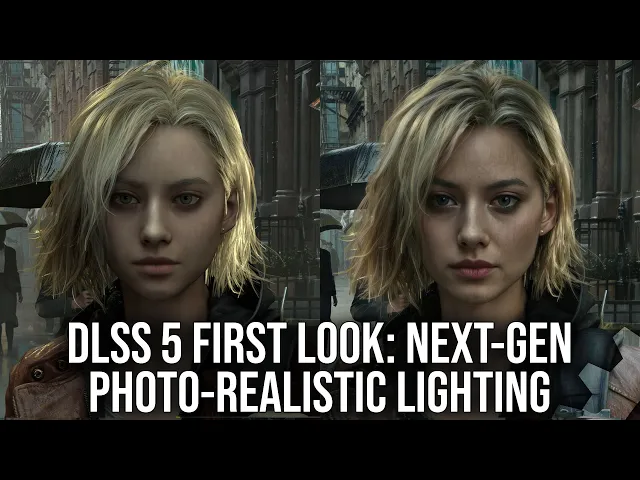
The main intrigue lies in the fact that Streamline is at the core of the RTX Remix ecosystem—a platform for modding older games based on DirectX 8 and 9. Initially, RTX Remix allowed enthusiasts to add ray tracing, replace textures and models in classic titles. With the arrival of DLSS 5, the functionality of such fan-made remasters could expand significantly. Technically, this means modders will be able to apply DLSS 5 algorithms not only in modern blockbusters but also in projects with extremely modest graphics.
A prime example already exists: a mod based on RTX Remix is being created for GTA: San Andreas. When DLSS 5 is released, integrating the new technology into such projects will essentially become a matter of technical routine—a simple toggle within the mod's toolkit. NVIDIA emphasizes that developers and artists will still be able to fine-tune lighting and visual effects for their specific needs. Streamline's architecture leaves a loophole for the community, and the technology allows for swapping graphical components on the fly. This means the emergence of a huge number of mods featuring DLSS 5 is practically inevitable.

The only question is how quickly enthusiasts will adapt the technology through tools like OptiScaler. Older games that receive modern upscaling and neural network effects through modding could visually stray very far from the original. And this isn't just about high-resolution textures anymore, but a complete shift in visual style and the addition of rendering features that simply didn't exist at the time of the game's release.
What do you think: should modders have the right to radically change the look of old games using new technologies like DLSS 5, or should the visual style be left untouched, as the original authors intended?
-
 NVIDIA Announces DLSS 5: Generative AI to Reshape Gaming Visuals
-
 NVIDIA Showcases Directive 8020 Trailer Highlighting Path Tracing and DLSS 4.5 — How Important Is This?
-
 Leaked FSR 4.1 vs. DLSS 4.5: AMD Catches Up to NVIDIA, but Stumbles on the Details
-
 The Future of Gaming or a “Cheap Beauty Filter”? Why DLSS 5 Is So Controversial
-
 Developers and Players Slam DLSS 5 as a “Garbage AI Filter” That Destroys Artistic Style