

Handheld Gaming PCs Could Become a Niche Product Again — Blame Rising Prices
 Arkadiy Andrienko
The handheld gaming PC market is at risk of slipping back into niche territory — rising memory prices have made these devices too pricey for the average consumer, and the go‑to budget option is quickly losing its appeal. A couple of years ago, it seemed like the Steam Deck and its successors had finally shattered the myth that serious PC gaming could only happen at a desk. But in 2026, the industry is facing a far more down‑to‑earth problem.
According to analysts at Bernstein, memory costs are set to jump another 50% in Q3 2026, and this isn't even the first price hike — there's no end in sight just yet. Experts warn that prices may not start dropping until 2028, when major manufacturers finish expanding their production capacity. All consumer electronics are feeling the pinch, but handheld gaming PCs are especially vulnerable. In these devices, every gigabyte of RAM and flash storage directly impacts both the final price and the gaming experience, and skimping on these components without sacrificing performance is practically impossible.

The most telling example is the Steam Deck: not long ago, the base OLED model with 512GB of storage sold for $549, but Valve has now jacked the price up to $789 (around 60,000 rubles). The 1TB version has gone from $649 to $949 (about 73,000 rubles) — and the kicker? The hardware itself is objectively dated. Ironically, even after that steep hike, both configurations sold out fast.
Alternatives aren't just failing to save the day — they're actually reinforcing the grim trend. The ASUS ROG Ally Xbox X, packing an AMD Ryzen Z2 Extreme chip and 24GB of RAM, costs roughly $1,000 (around 77,000 rubles), and at the moment, reviewers consider it the best bang for your buck in terms of price‑to‑performance. The MSI Claw 8 AI+ commands a similar price — both devices cater to an audience willing to splurge for portability, but that's hardly a mass‑market proposition. Smaller manufacturers are barely hanging on: Ayaneo, for instance, had to freeze pre‑orders for its high‑end Next 2 model because production costs doubled from initial estimates, and when it returned, the price tag had multiplied significantly.

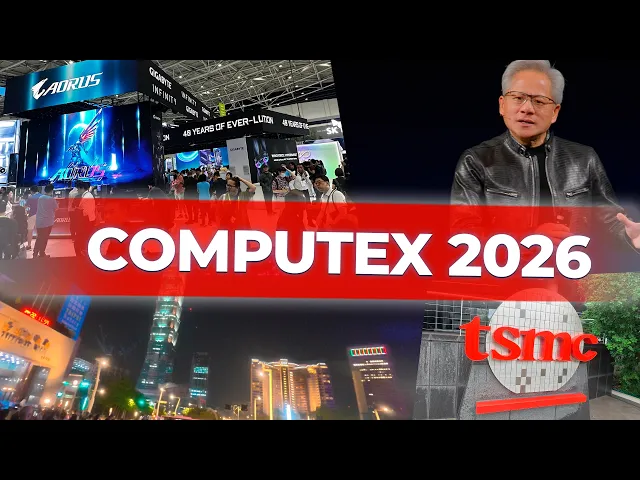
Against this backdrop, Nintendo's position is looking stronger than ever. The hybrid Switch 2 — even after its announced price bump to $500 starting September 2026 — still looks like a far more sensible choice for the average gamer. PC enthusiasts can argue all day about the technical superiority of portable Windows machines, but retailer data shows that gamers are voting with their wallets — and they're picking Nintendo. Manufacturers now face a tough choice: either accept a niche status and double down on expensive "premium" models, or try to compete with console giants in the mid‑range segment, where the performance gap isn't as glaring. New handheld consoles were shown at Computex 2026, where the VGTimes team stopped by and filmed a big video report.
What do you think — can handheld PC consoles hold on to a mainstream audience, or are they destined to remain an expensive toy for enthusiasts? Share your take in the comments.
-
 Anbernic Unveils Portable Console with TV-Out Capability
-
 Sony Hints at Hybrid and Portable Future for PlayStation Consoles, Citing High Component Costs
-
 Are ARM-based gaming handhelds getting delayed... again? Qualcomm pushes back portable console market entry due to memory shortage
-
 OnePlus is Prepping an “Oddball” Portable Console That Ditches a Gamepad for a Touchscreen
-
 Gigabyte Weighs Entry Into Portable Console Market, Seeks Unique Niche for Device