

DOPPLERGEIST Uses Aircraft Sounds to Estimate Where a Recording Was Made
 Arkadiy Andrienko
DOPPLERGEIST contributors released a local tool that runs on a user's machine and estimates where an audio recording was made, while its developers say nationwide accuracy on real recordings has not been independently established.
The software models aircraft movement, sound travel time, the geometry between the aircraft and receiver, and terrain when comparing possible recording locations. Searches through historical flight data also require a defensible recording time or a bounded time window: a file's modification time or upload time does not establish when the recording was made.
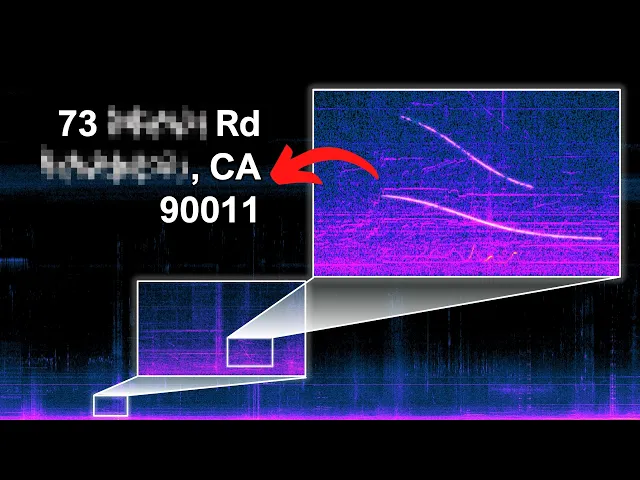
DOPPLERGEIST runs locally, and its developers say they do not plan to offer it as a hosted service. The project describes the software as experimental and cautions that its real-world accuracy has not been established nationwide. A separate demonstration by YouTube researcher colsto shows the approach being used to locate a recording based on faint aircraft sounds.
Two experiments using real recordings reported location errors of 43.86 meters and 357.47 meters from public reference coordinates. Both results have limitations: the reference coordinate was not surveyed ground truth, and the experiments used regional bounds and event windows informed by available sources.
Can DOPPLERGEIST's reported results support confidence in its estimates when real-recording errors vary and nationwide accuracy remains unverified?
-
 Popular Musicians Tease Their Involvement in the GTA 6 Soundtrack
-
 Kling 4.0 Launches With Sound-Supported Video Generation up to 30 Seconds
-
 Preorders Open for GTA 6 Soundtrack on Vinyl and CD
-
 Jack Dorsey Unveils Dessa, a Speech-First AI Model Built to Sound Human
-
 "Sounds like the kind of lie kids tell each other about video games": Steam is praising a simulator where you crossbreed horses with humans and cars — 96% positive reviews