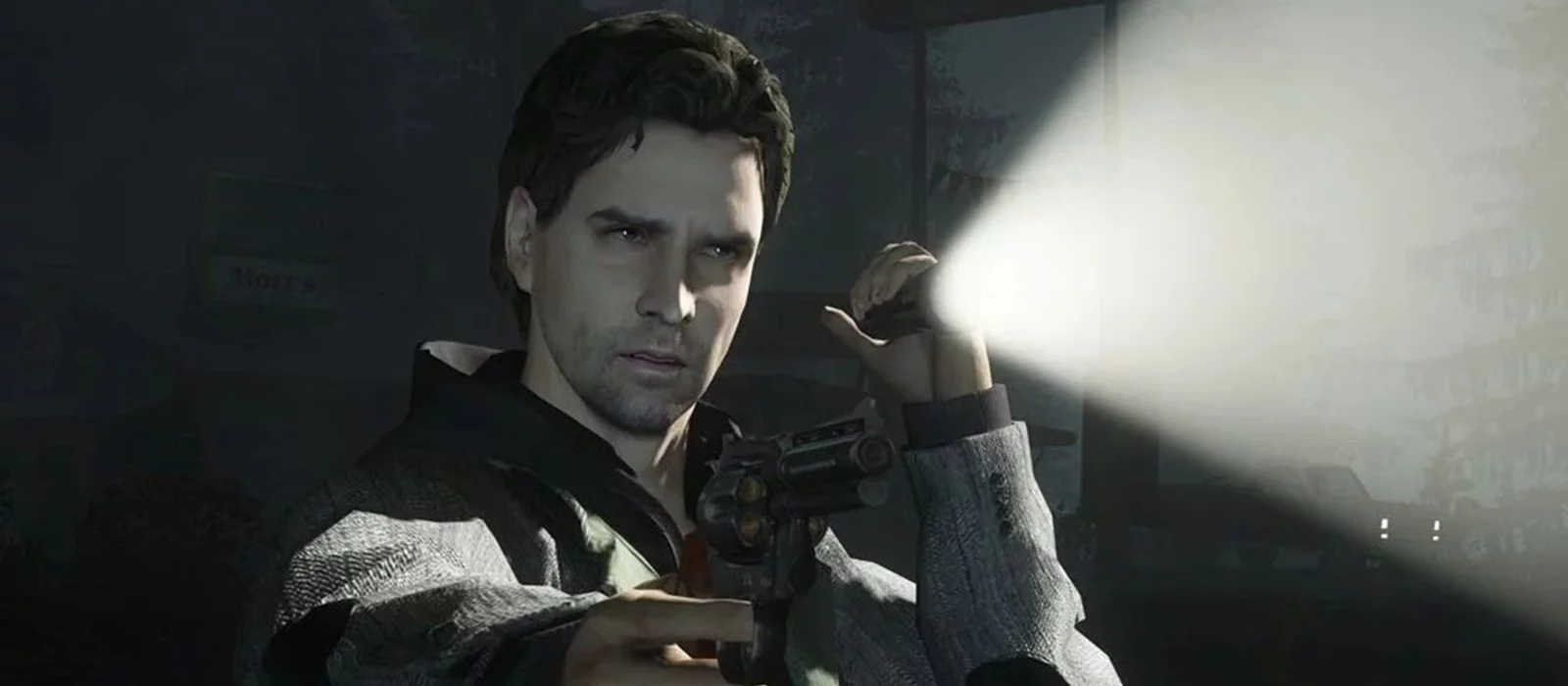
"As is" — that's exactly how we get the computer game Alan Wake. Two years after the game was released on Xbox 360, Remedy Entertainment did nothing to properly port the game to personal computers. Essentially, what players get is a typical console project, released on PC just for the sake of it. And, of course, it suffers from all the issues present on consoles. Only the developers had no desire to cure the game of its "ailments."
Controls
Literally everything raises complaints. And the first thing is, of course, the clunky third-person view and the sluggishness of the main character. Shooting at shadow enemies is a very tedious task, and with the right tactics, it's also boring. The weapons — they're straight out of the mid-19th century. Who even uses a revolver and a double-barreled shotgun these days? And why does a PC game need an enemy dodging system when you can just run and jump?
It would have been much simpler to release the game with a first-person view and modern weapons. Why couldn't they have added melee combat elements using at least a bat or a metal rod? You might say, "what's the big deal?" but the disgusting gameplay kills all the enjoyment of the game. It's no coincidence that this menu item is called "Controls."

Awake
The game can't really be classified as a "horror" genre, since the atmosphere and enemies aren't scary at all. You can even let children play Alan Wake, as the game contains no blood, profanity, frightening moments, or any of the other things AAA projects are oversaturated with. "Psychological thriller" is a pretty fitting label. Alan, completely shell-shocked, desperately fights back against enemies and survives despite all the blows fate throws at him.
From time to time, inspiration strikes the writers, and they start telling a somewhat coherent story, despite its overall drawn-out nature (mainly due to the stretched-out gameplay). However, the ending of the game may raise some questions.

But is there anything good?
How should I put it... You arrive in an unfamiliar town, to an unfamiliar person. Would you trust the first stranger you meet—especially a woman, especially dressed in black, and standing in a dark alley?* But our Alan, just a straightforward guy, grabbed the keys and moved on. He got into an accident, suffered a concussion, came to, and rushed off to look for his beloved.
If the first acts of the game raise a ton of questions, the story later smooths out, becoming fairly transparent, understandable, and at times interesting. The idea with the "shadow," possessed enemies and objects, and the change in gameplay between day and night—all of these are good ideas. And it's quite possible that two years ago, Remedy Entertainment's creation could have received excellent reviews from players. Especially considering that 99.9% of console games are fighting games and racing. But a flop at the box office is an obvious fate for such a slow-paced and drawn-out "psychological thriller."
Graphics and Sound
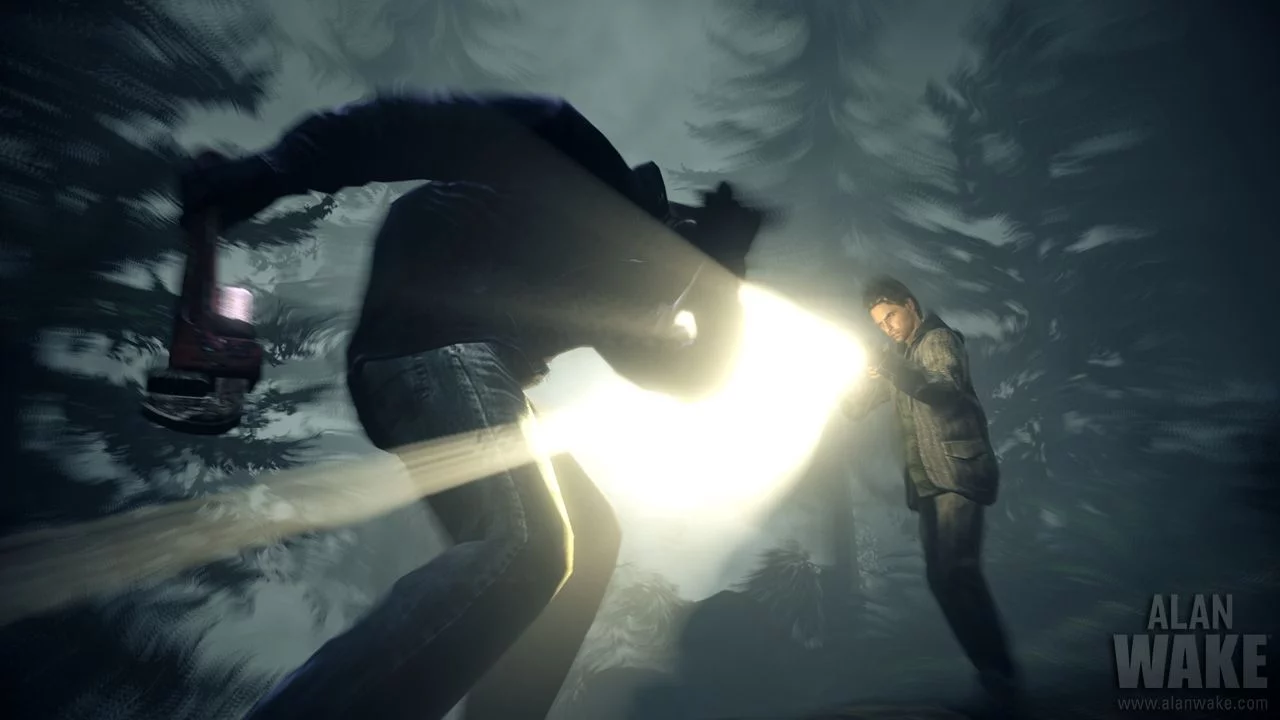
Graphics seem to be the only thing the developers really focused on. DirectX 10 support, high-quality textures, excellent sound design, and good draw distance. The day and night cycle, location streaming, and character animation are all done at the highest level. All of this fully matches the current standards of graphics. A minor downside could be the facial animation, but that can be forgiven—there's very little dialogue in the game.

***
The game should have been released on PlayStation 3 first and foremost. That's where Alan Wake would have fit in: the controller setup, "Press X to Win," "great stories on consoles," and so on. But the game was released on PC, and now it can be recommended to those who enjoy reading detective novels and like searching every corner of the map for ammo, notes, or other junk. But the main question—"Why ruin a good idea if you don't plan to put maximum effort into refining the PC version's gameplay?"—will remain unanswered.