Fans of computer strategy games are well acquainted with the Total War series. And when Total War: Rome 2 was announced, not only they, but the entire gaming community became excited. After all, reimagining the original Rome: Total War was a challenging task, and expectations for the new game were very high. So, what did the developers at The Creative Assembly manage to achieve? Read about it in our review!
From the very first minutes to the very end, Total War: Rome 2 completely immerses the player in a world of ancient cities and towering legionnaires. An interesting and gripping prologue is just the beginning; ahead awaits a lengthy and challenging single-player campaign, followed by many more adventures promised by the developers.
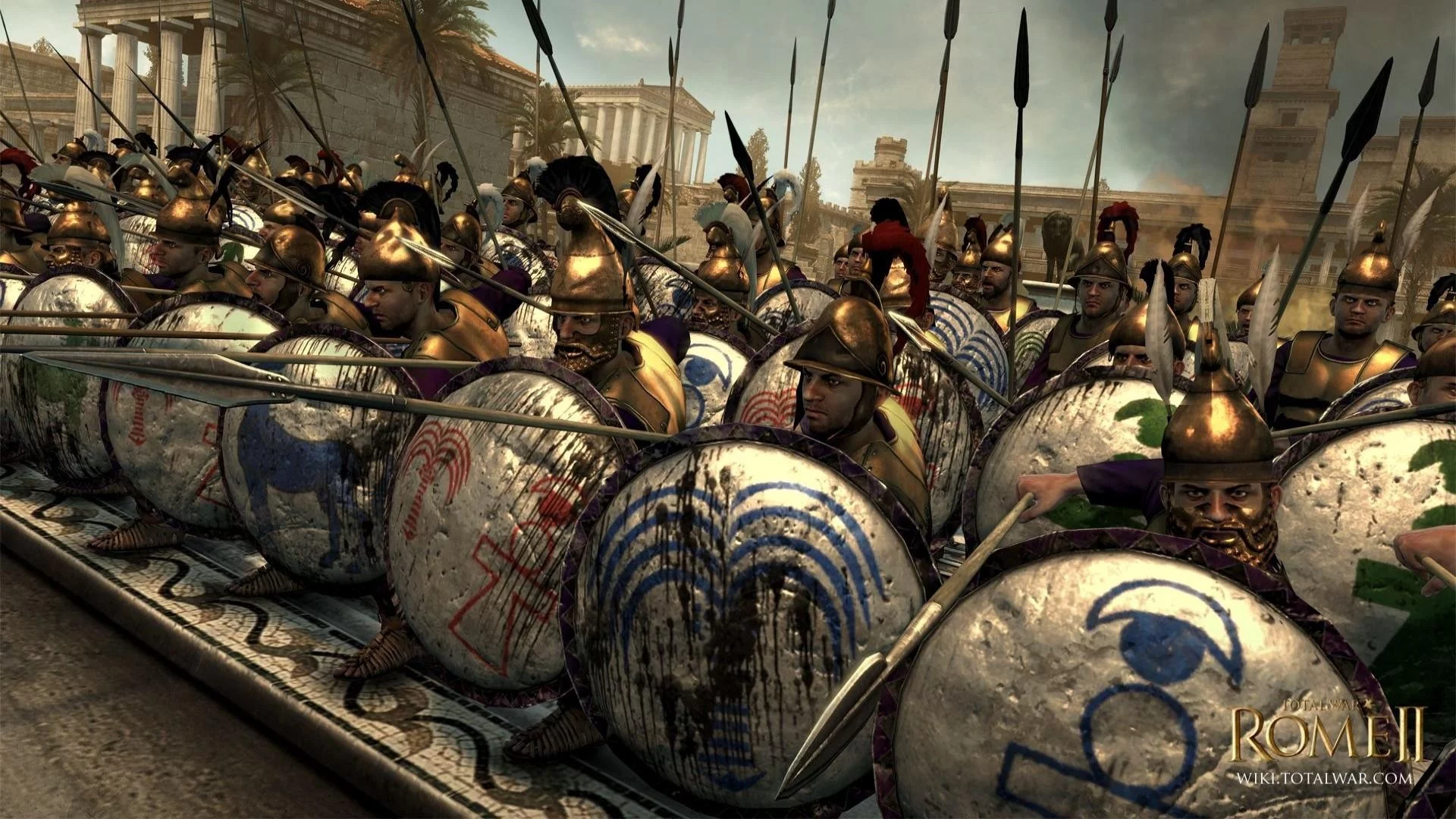
However, no matter which civilization you choose to conquer the world, you can't shake the feeling of déjà vu, as if we've already seen all this in Rome: Total War. In the sequel, the developers truly did their best, but, as often happens, the game still needs some refinement.
Did The Creative Assembly manage to maintain their standard of quality?
Rather yes than no. Both the small details of the gameplay and its larger components have been significantly improved. Perhaps it's worth starting with the fact that the map in the game is simply colossal in size. And although there are slightly fewer cities, this is hardly noticeable—the game is that vast.
The development of the regional system also turned out to be a very successful decision. It will take you some time to master all the nuances of working with this new territorial unit, but once you've passed this intermediate stage, you'll appreciate just how powerful a solution it is.
The diplomacy system is also pleasing. It has borrowed ideas from Civilization, allowing you to negotiate on a whole range of issues, as well as offer your own terms, monetary rewards, or resources. Agents also play a much more important role. First, they enforce your authority in conquered provinces and work to earn the loyalty of the population; second, they eliminate enemy agents and leaders. All of these functions come at a considerable cost, so you need to carefully choose from the available options. If an operation fails, you won’t get your money back, and your agent might be captured or killed.
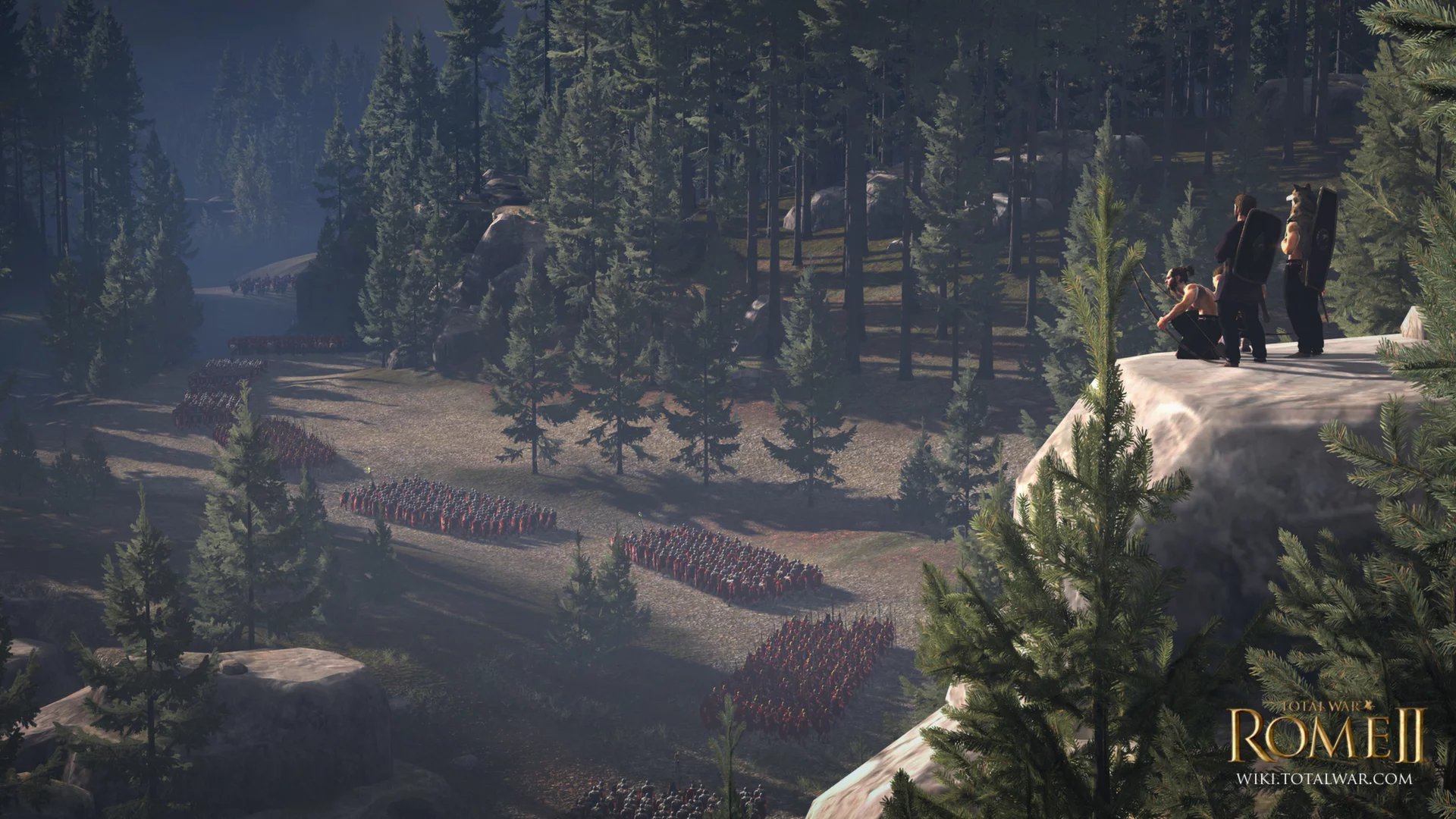
The interface on the tactical map has also turned out to be very convenient. No matter how unusual the unit icons may look, for the first time you can get such detailed information about each combat unit, quickly give the necessary order, or use a special ability. Since everything is done in a minimalist style, you shouldn’t have any problems.
As practice has shown, it’s more convenient to control 40 units yourself than to alternate between armies of 20 units each. Large maps only contribute to this: with their help, you can easily combine two armies into an armada and launch a “zerg rush” against the enemy. But perhaps the most impressive improvement is the legion tradition and general leveling system.
Now you decide which abilities and bonuses all your legionaries will receive. Heavy infantry units can get a significant boost to melee combat, while support troops and cavalry can gain bonuses to unit recovery or damage. Only now can your soldiers truly be called battle-hardened veterans, tested by time and the hardships of war. In addition, the general—the key figure in the army—receives experience points for every battle, which can be allocated both to him personally and to the entire legion.
The technology system has also undergone a number of changes. The developers grouped together the discoveries of antiquity and tried to weave them into the gameplay in such a way that they have a definite impact. For example, it’s not enough to just invest in military power—you also need to pay attention to other branches of development, especially public order and cultural advancement. It’s better to capture a city with a similar culture using weak units and have no problems, than to sweep through enemy cities like a fiery whirlwind and then run across the entire map suppressing uprisings, because the local population isn’t ready to embrace the benefits of Roman civilization.
Did The Creative Assembly manage to release a game worthy of being called the best in the series?
Rather no than yes—at least for now. It can be stated that Total War: Rome 2 didn’t avoid controversial gameplay decisions and negative changes. For example, the seasons are missing. This important feature of the entire series was removed, as the developers decided that too many turns prevented players from enjoying the game.
Perhaps the change of seasons will appear in a major update, with a fan-made mod, or in another paid expansion, but their absence in the main game does no credit to the developers. In any case, this significant simplification prevents you from truly experiencing all the hardships of a soldier’s and commander’s life. The number of turns is also limited to three hundred—you can’t play beyond that.
There are also problems with the interface on the global map, specifically with building construction. The pictograms that replaced the traditional building images give no real idea of what will actually be built, so you have to consult the reference materials, and you need to read not only the description of the building itself, but also its subsequent upgrades. The problem is that the reference information is only available online, so starting to play Total War: Rome 2 without an internet connection is simply pointless. You’ll need help in any case.
Gameplay As It Is
Surprisingly, the gameplay in Total War: Rome 2 hasn’t undergone any major changes. You could say it’s the original first part with a number of excellent improvements. Wanted to command more units? Go ahead. Land a naval assault? No problem. Use more equipment on the battlefield? Be my guest.
The artificial intelligence (AI) has also seen significant improvements. It tries to flank using cavalry, takes into account the features of specific units (for example, the phalanx is placed in front, with infantry covering its flanks), occupies more advantageous positions, and no longer throws its general into the thick of battle.
Multiplayer is a bit more ambiguous. In duels, everything depends on ping and the number of combat units in your army. In allied faction battles, it makes sense to team up to take down one opponent first, and then join forces to destroy the second. For now, there’s no special tactics to boast about in multiplayer—sheer numbers win the day.
Optimization, Graphics, and Location Design
Another plus for Total War: Rome 2 is good optimization. Of course, it’s far from perfect, but unlike Total War: Shogun 2 and especially Empire: Total War, the game doesn’t lag and works quite decently even on mid-range computers.
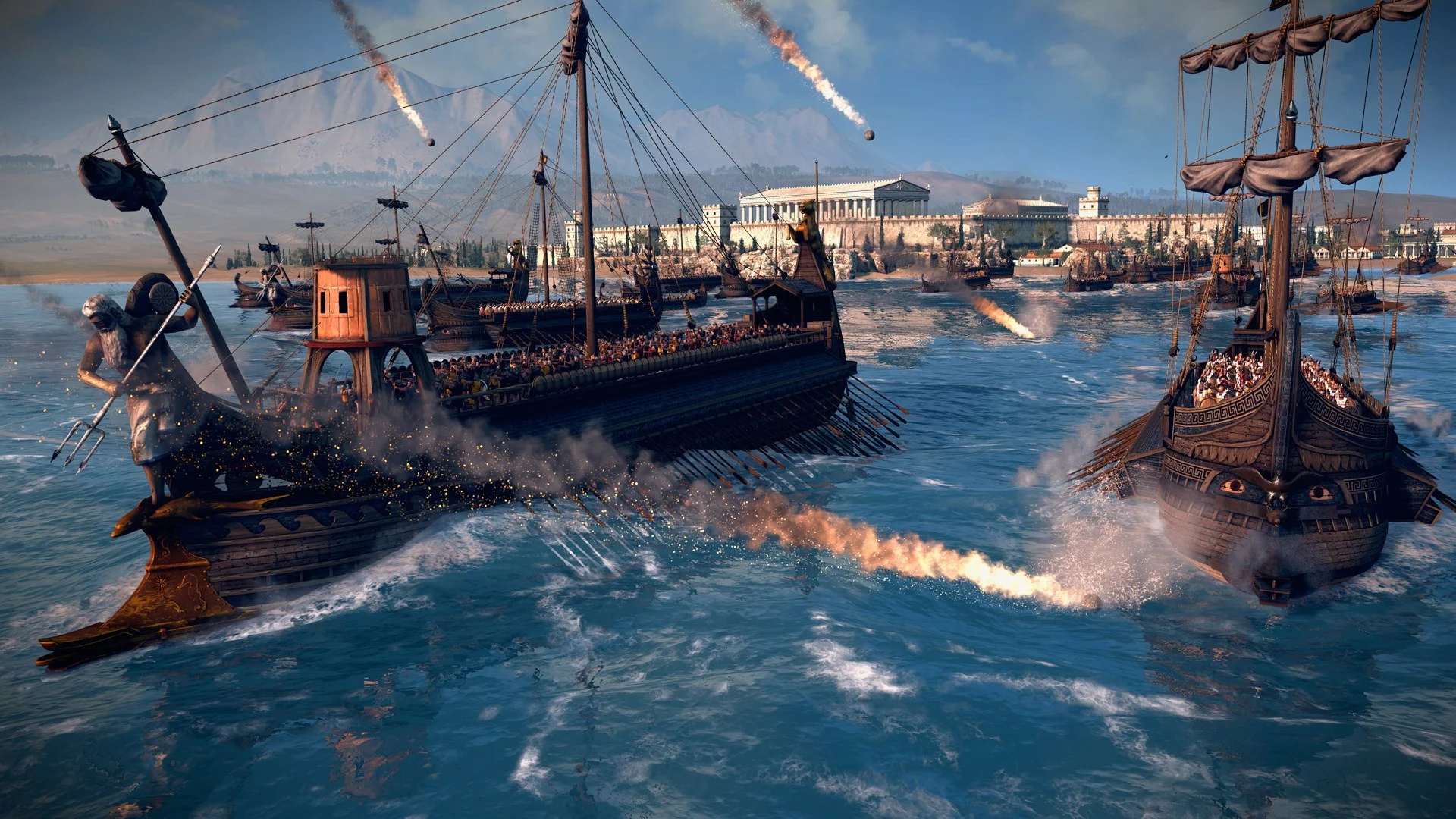
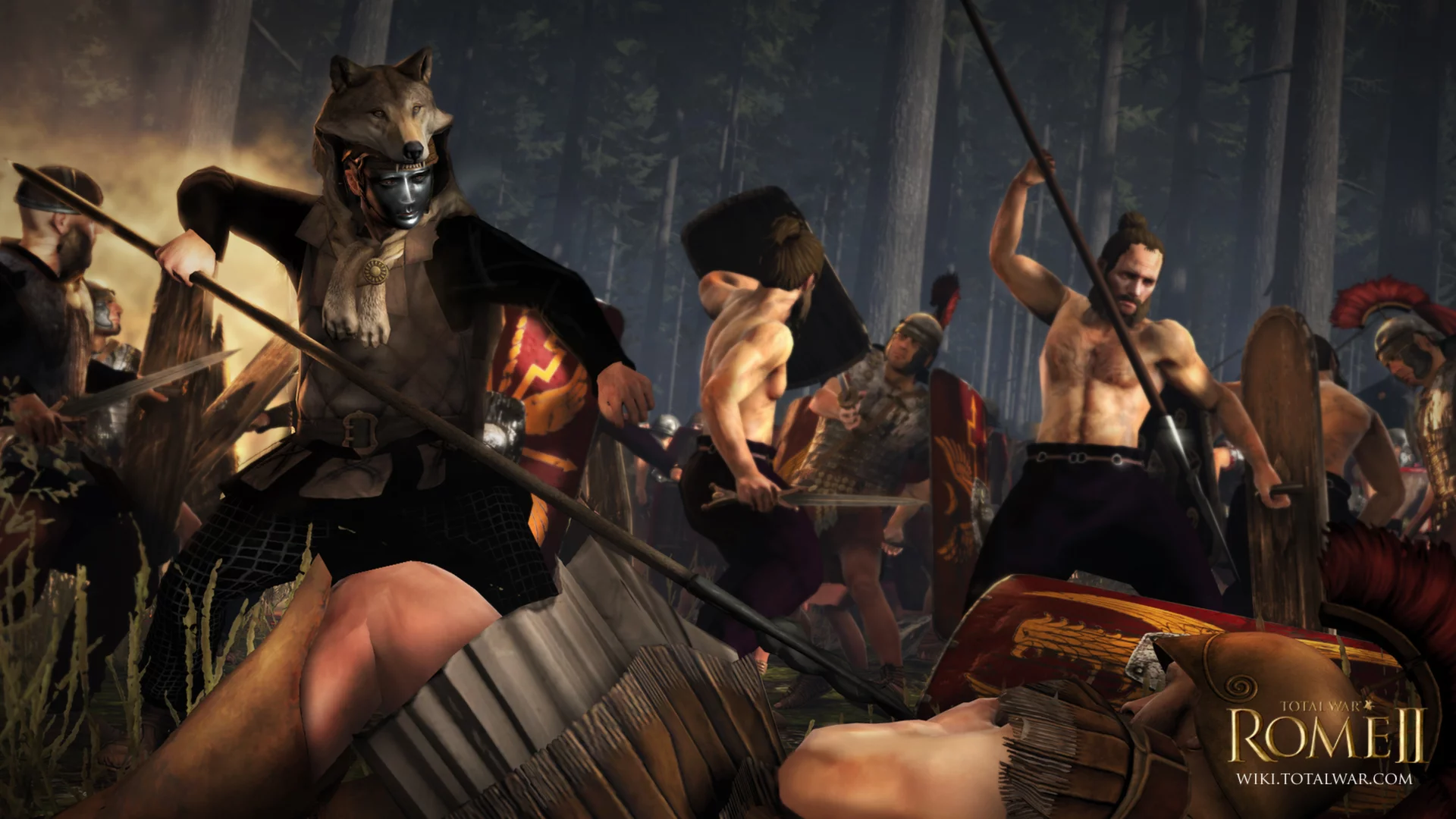
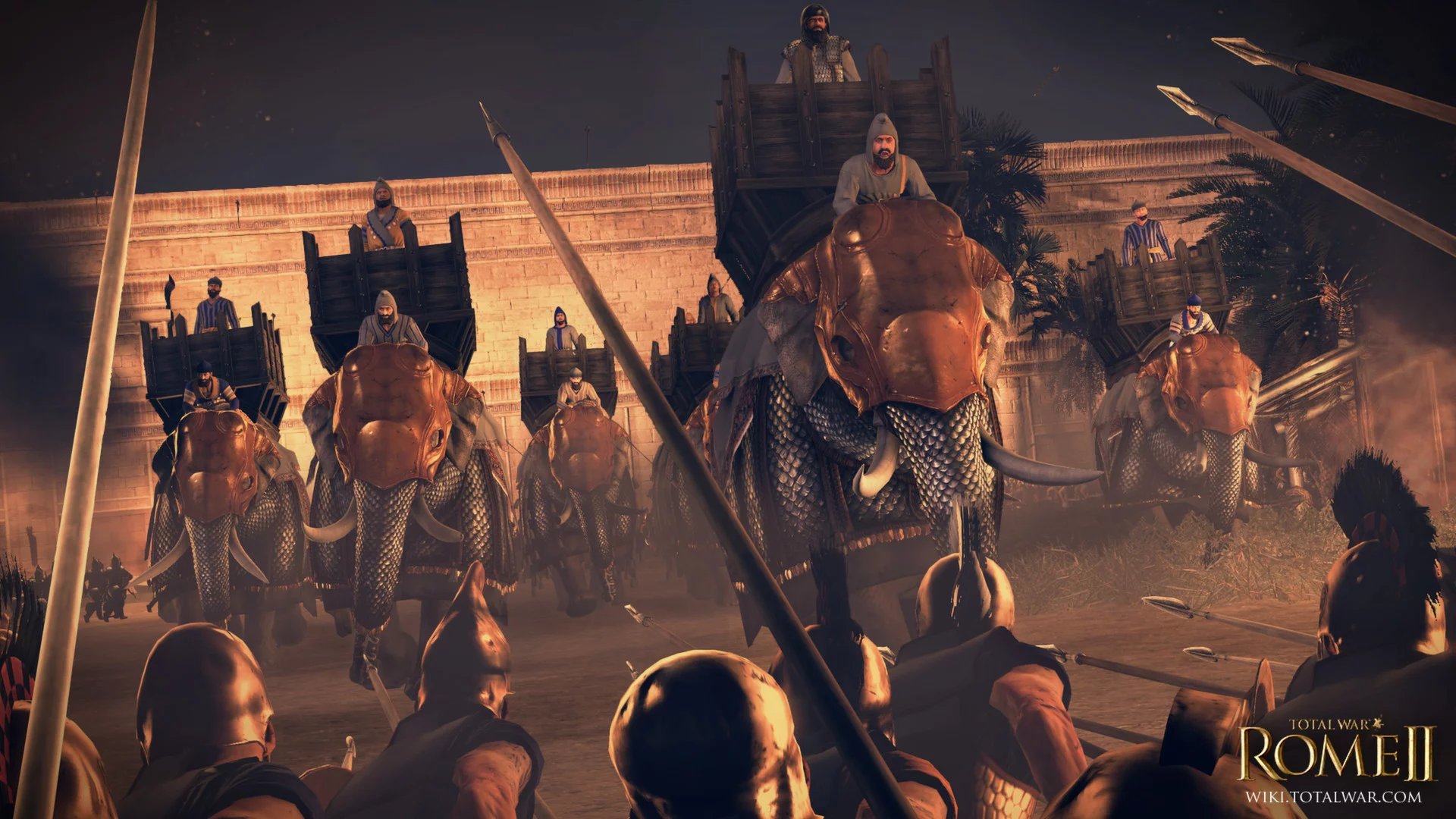
The game also boasts good graphics, which will please you not only with excellent lighting and effects, but also with well-animated fighting enemies. And just look at the stunning buildings in the large cities! This is where the artists’ work truly shines.
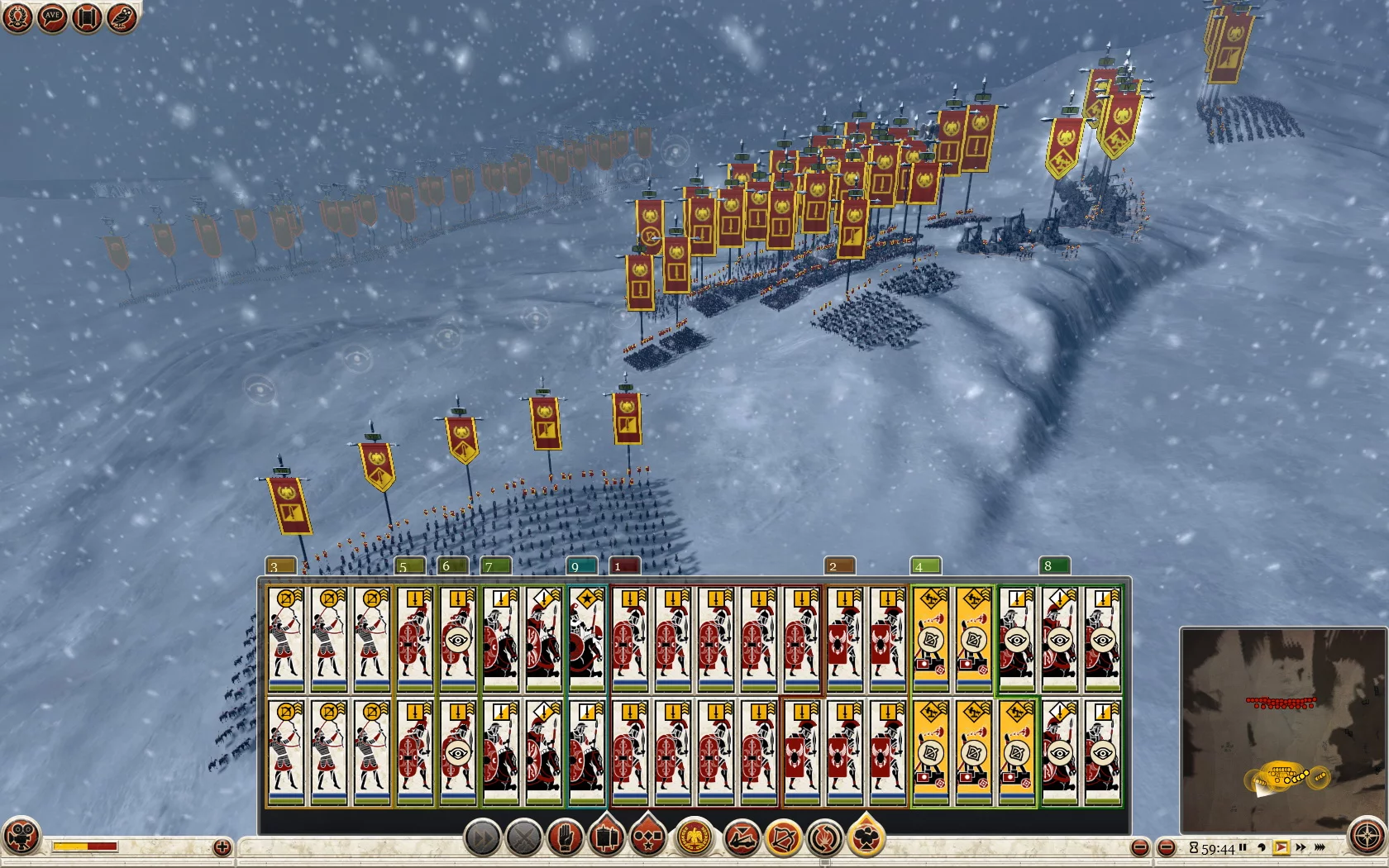
The system responsible for generating locations has also received significant improvements. While most maps in the original were perfectly flat, in Total War: Rome 2 they have become much more hilly, and mountain locations are now full of bumps and uneven terrain.
***
Total War: Rome 2 has taken a step forward primarily as a grand strategy game. Now it’s not enough to just build everything indiscriminately—you have to carefully study the economy and resources of a region to construct truly useful buildings. The division of cities by the type of recruitable units has also carried over. In a specific city, you can create either main or auxiliary troops, but within a single region you’ll have access to the full range of warriors.
It’s important to check the diplomacy window from time to time and keep track of major political events in the world. You might spot a neighbor weakened by wars, whom you can quickly defeat or help out, allowing you to forget about troublesome borders for a while.
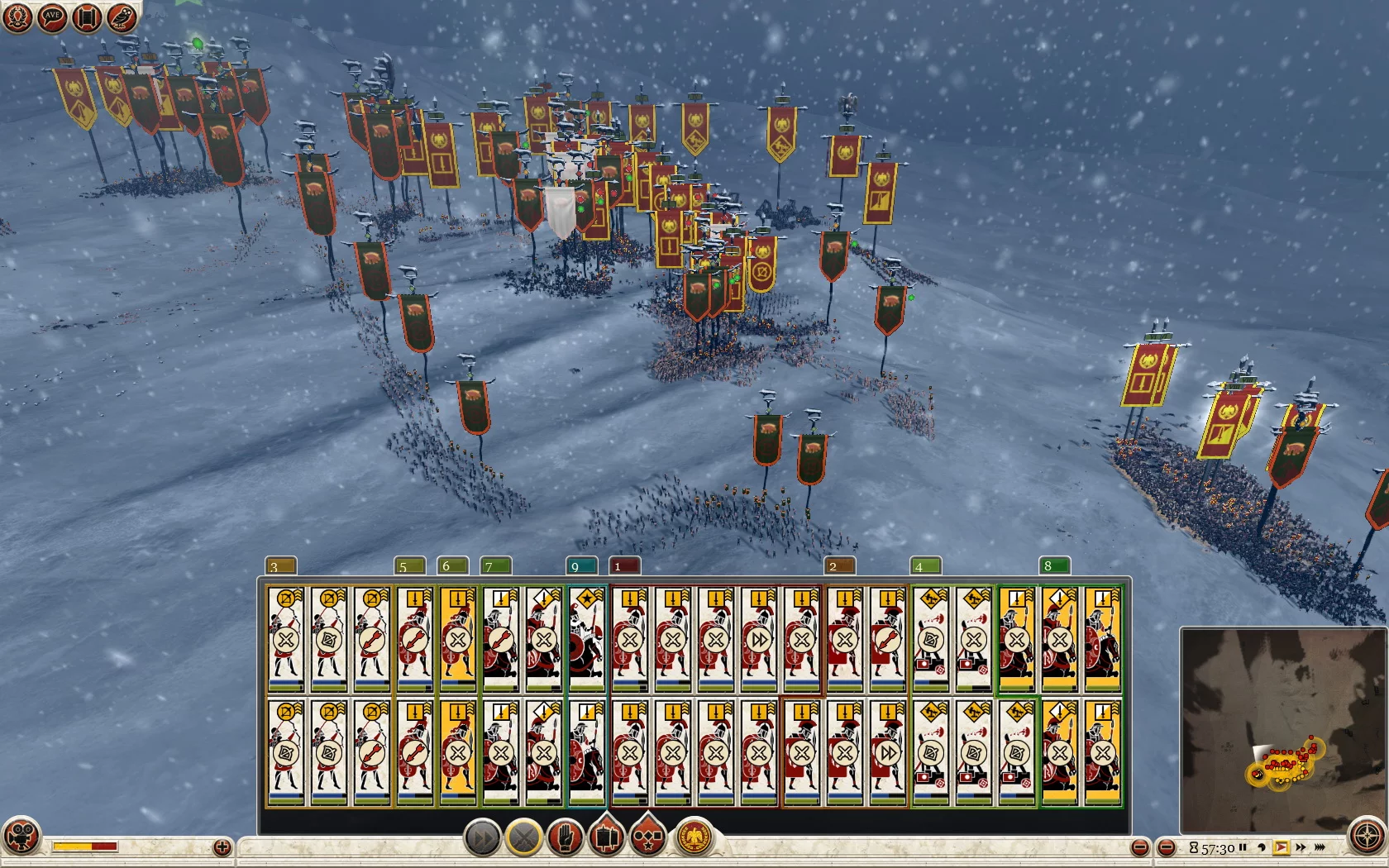
As for the tactical part, it hasn’t lost the features that make it so similar to the original Rome: Total War. It’s safe to say that the developers have polished the classic gameplay to a shine and even expanded the game with new units and interesting design solutions. As a result, the sequel has almost everything it needs to be called the best entry in the series.