Aion Classic


A special version of the MMORPG Aion that returns the game to patch 1.9 from the original 2009 release era. Unlike the modern version, Aion Classic... Read more
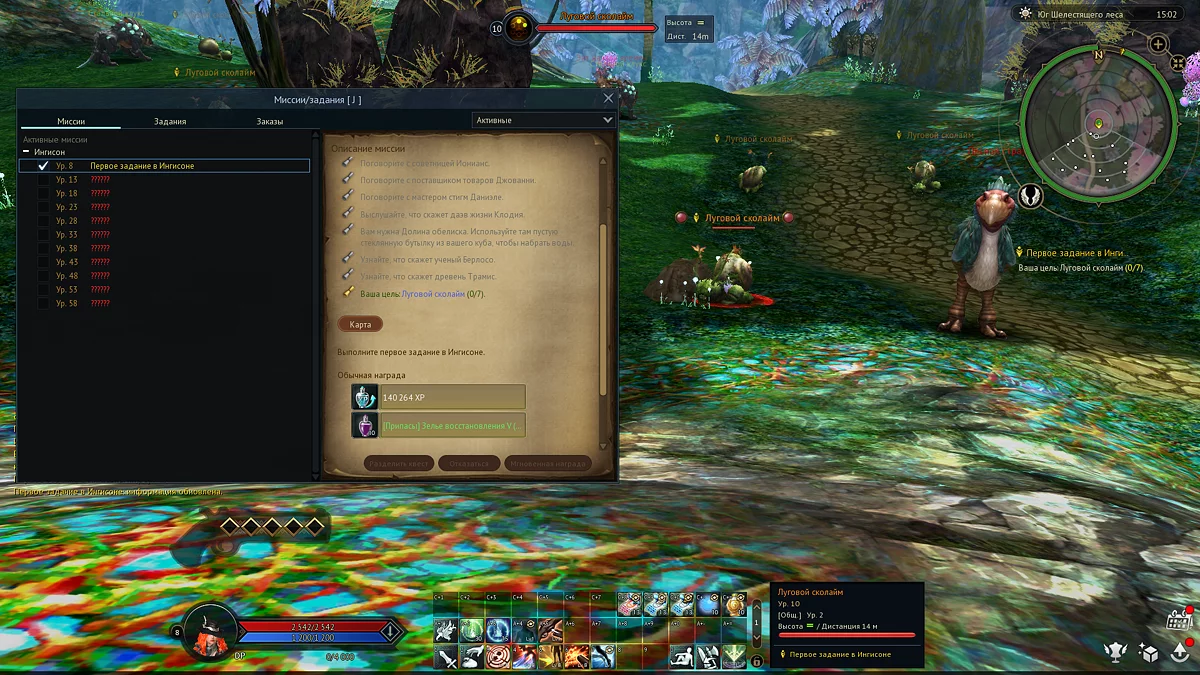
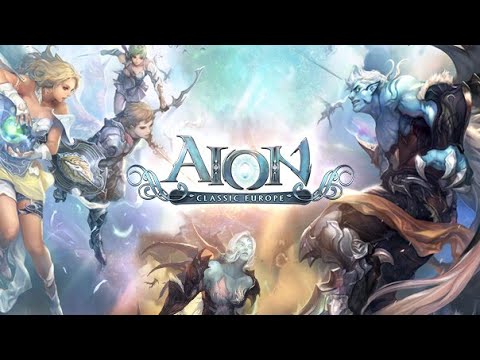
A special version of the MMORPG Aion that returns the game to patch 1.9 from the original 2009 release era. Unlike the modern version, Aion Classic does not include numerous expansions, new classes, or later content — players receive almost the same experience that was available at the launch of the original. The focus is placed on the classic progression system, slower character development, and familiar mechanics that once made Aion so popular.
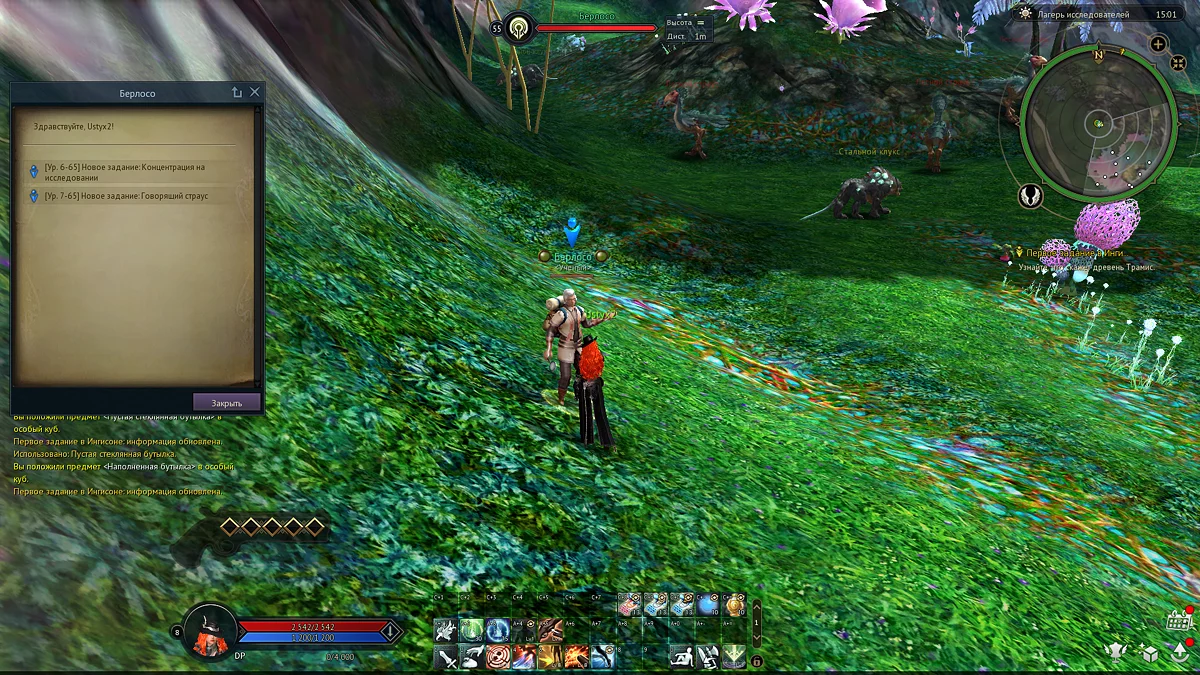
Players explore the fantasy world of Atreia, complete quests, fight monsters, and gradually develop their characters. The combat system is built around a combination of auto-attacks and active abilities, which unlock as the character levels up and are purchased from trainers.
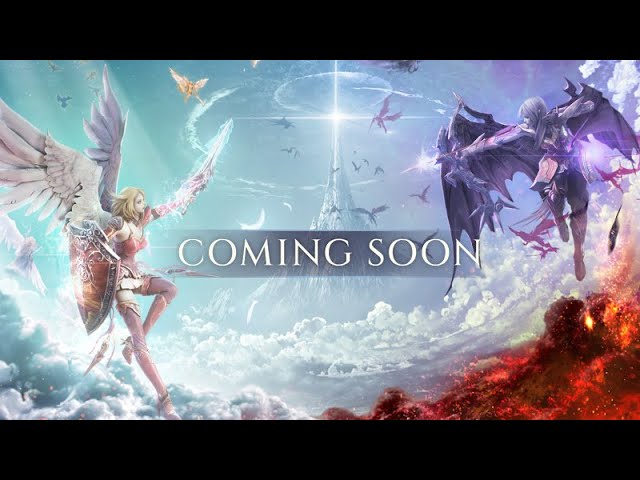
One of the game's key features is the ability to fly: in certain zones, and especially in the Abyss, players can fight directly in the air. This territory serves as the arena for large-scale PvPvE battles between two factions — the Asmodians and the Elyos — who compete for control over fortresses and strategic points.
Like many classic MMORPGs, Aion Classic emphasizes slow and steady progression, questing, and gradual equipment upgrades. The game preserves the structure of quests and locations from the early versions of Aion, including areas that were later changed or removed from the modern version of the project. In other words, it is a classic old-school MMORPG — with active interaction between players, item trading, and exploration of an open world.
What beginners should know

Aion Classic also receives updates, although its foundation remains largely unchanged. In recent years, character leveling has become noticeably faster and more convenient than it used to be.
The main way to progress is by completing story quests, which grant the most experience and gradually guide players through the key locations and mechanics of the game. Additional income and resources can be obtained through side quests marked in blue. Many story missions, including those connected to dungeons, can now be completed solo — players simply need to choose the appropriate mode to enter a version of the instance adapted for single-player completion.
As the character level increases, new ways to speed up progression become available. For example, starting at around level 51, the dungeon Taloc's Hollow becomes a popular farming spot, where mini-bosses provide large amounts of experience in a short period of time. At the same time, players should regularly purchase new skill books from trainers.
In the early stages, players usually obtain their first full equipment set by completing quests near the Steel Rake dungeon. Later, they can participate in PvP activities such as arenas to earn special tokens and exchange them for stronger gear. Some valuable items, including high-level weapons, can also be obtained by completing solo instances or finishing certain challenges.
After reaching the maximum level, access opens to more difficult content — high-level dungeons and PvP activities. There players can obtain rare gear sets and earn in-game currency used to purchase items, skills, and consumables. This currency can be obtained in several ways: by completing quests, clearing instances, selling rare items, and participating in group activities.
Overall, the modern version of Aion Classic is quite beginner-friendly: leveling is faster, and equipment is easier to obtain. Thanks to the combination of PvE content, PvP battles, and player interaction, progression does not feel monotonous — players explore dungeons, participate in large-scale faction battles, and gradually strengthen their characters.
Classes

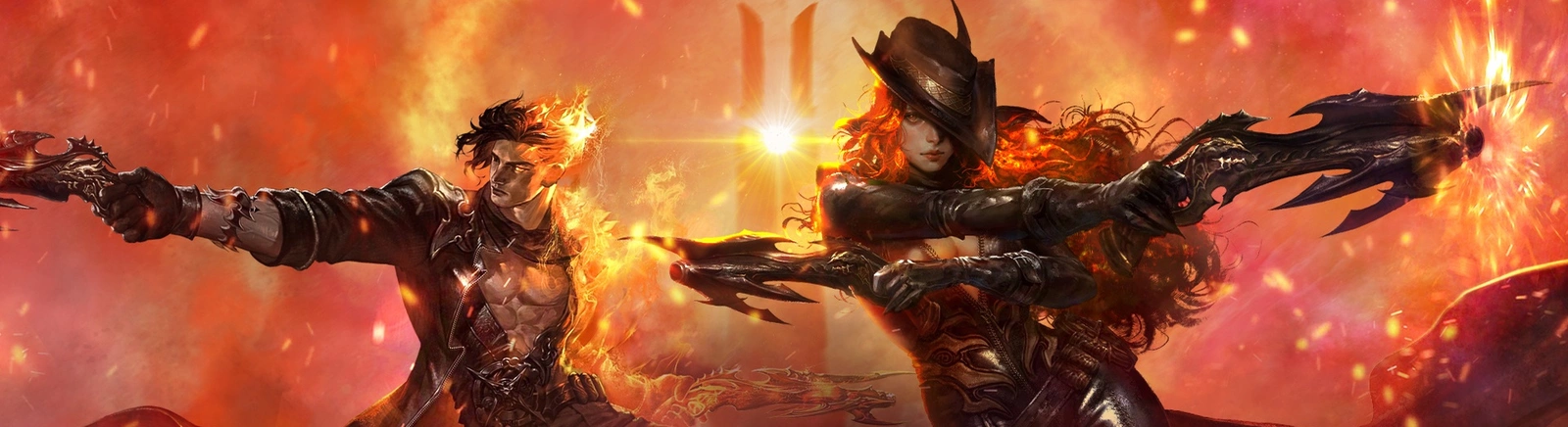
In Aion Classic, character development is built around four base archetypes. At the beginning of the game, the character belongs to one of them, and after reaching level 10 the player chooses their final class. In total, the classic version features eight classes, each fulfilling a specific role within a group — from tanks and melee fighters to mages and support characters. It follows the traditional MMORPG structure.
The Warrior specialization focuses on melee combat and the use of heavy armor. Warrior characters have high survivability and are usually the first to enter battle.
- Gladiator — a powerful melee fighter who is effective against groups of enemies thanks to area attacks;
- Templar — a classic tank capable of absorbing large amounts of damage while protecting allies.
The Scout is the most mobile specialization. These characters wear leather armor, move quickly across the battlefield, and rely on precise attacks.
- Ranger — a ranged fighter who attacks enemies with a bow and can control the battlefield with various effects;
- Assassin — a stealth character specializing in sudden attacks and powerful single-target damage.
Members of the Mage specialization wear light cloth armor and rely on destructive spells, so they usually try to keep their distance from enemies.
- Sorcerer — a classic combat mage with high damage output and powerful spells capable of destroying enemies or entire groups;
- Spiritmaster — a mage who controls summoned creatures and applies various weakening effects to enemies.
The Priest support specialization is important for any group. Characters of this type can heal allies and strengthen their abilities.
- Cleric — the main healer in the game, capable of restoring allies' health and even resurrecting fallen companions;
- Chanter — a hybrid support class that strengthens allies with special buffs and can also participate in combat when necessary.
How Aion Classic differs from regular Aion

The main idea behind Aion Classic is to bring back the atmosphere of the original release. As mentioned earlier, the classic version restores old territories, dungeons, and gameplay systems that were later changed or completely removed from the standard version of Aion. This applies both to the structure of locations and to the systems of leveling, quests, and character development.
At the same time, Aion Classic is not an exact copy of the old patches. The developers have partially reworked certain systems to make the game more convenient for modern players. For example, as mentioned earlier, leveling has become faster and less time-consuming, and class balance has been adjusted.
Key differences:
- Classic is based on the content of early patches, while the modern version of Aion includes dozens of updates, new regions, and progression systems;
- The game contains territories and instances that later disappeared or were heavily redesigned in the main version;
- Classic uses the traditional MMORPG model with gradual leveling, gear farming, and participation in PvPvE activities;
- Some old mechanics have been modernized — for example, leveling speed has been increased and skill balance improved;
- Classic periodically receives its own events, dungeons, and even new classes created specifically for this version.




System requirements and PC test
- Windows 8, 10
- CPU: Intel Pentium 4 2.80GHz; AMD Sempron 2800+
- RAM: 1 GB
- Free Space: 30 GB
- Video Card: GeForce 6600; Radeon X1550
- Keyboard, Mouse
- Windows 8, 10, 11
- CPU: Intel Pentium E5200
- RAM: 2 GB
- Free Space: 30 GB
- Video Card: GeForce 8600 GT; Radeon HD 4550
- Keyboard, Mouse