
On April 4, 2025, Microsoft celebrates its 50th anniversary. The company, founded by two college students, has grown into a global tech powerhouse whose products are embedded in everyday life for millions. Back in 1975, Bill Gates and Paul Allen were inspired by the Altair 8800 and created a BASIC interpreter for it. A few years later, a deal with IBM to supply MS-DOS gave Microsoft a foothold in the booming PC market. By the late 1980s, Word, Excel, and PowerPoint were setting new standards for office productivity.
Microsoft's journey has been marked by both major wins and memorable missteps. While Windows 95 and Xbox became cultural icons, products like the Zune media player, the Kin smartphone, and even Internet Explorer couldn’t stand up to the competition. Still, the company managed to adapt and evolve. When Satya Nadella took over as CEO in 2014, Microsoft shifted its focus to cloud computing. Today, Azure holds a 21% share of the market, second only to Amazon.
These days, Microsoft is going all-in on artificial intelligence, partnering with OpenAI and rolling out tools like Copilot. But the company is also drawing criticism. Its deep integration into government and enterprise infrastructure has created a kind of dependency, making it difficult to switch to alternatives. In Germany, for example, 96% of government agencies rely on Microsoft software.
Yet Microsoft shows no signs of slowing down. In February 2025, it unveiled the Majorana 1 quantum chip, which it claims will accelerate the development of commercial quantum computers. Alongside AI, quantum tech is shaping the next chapter of the company’s story. To mark the anniversary, Bill Gates released the original source code for Altair BASIC — the program that started it all.

-
 Microsoft Removes Script That Allows Users to Install Windows 11 Without an Internet Connection
 -
 Microsoft Updates Game Bar and Xbox Cloud Service
 -
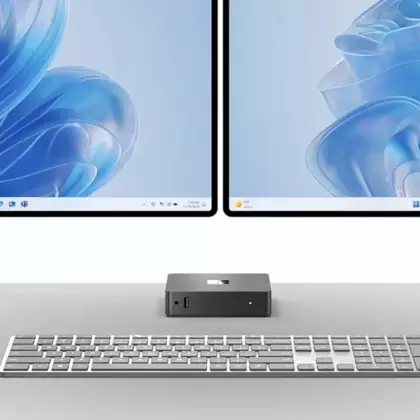 Microsoft Unveils a Cloud-Based Mini PC: No Local OS, But Dual Monitor Support
 -
 Microsoft Promises Double the Speed with DirectX Raytracing 1.2
 -
 Microsoft Tests Remote “Resurrection” Feature for PCs