Lost Ark was released to the Western market in February 2022 under the publishing of Amazon Games and within the first 24 hours became the second game in Steam history by the number of concurrent players — 1.3 million people. I decided to find out how the project is doing today and spent 30 hours in the game: completed several story arcs, got a ship, and managed to explore some of the islands — this was enough to understand what makes Lost Ark captivating right from the start.
Platform: PC (Intel Core i5-9400F, AMD Radeon RX 6600, 16GB RAM);
Playtime: 30 hours.
System Requirements
Minimum: Intel Core i3-10100/AMD Ryzen 3 3100, Nvidia GeForce GTX 1050 Ti/AMD Radeon RX 560, 16GB RAM.
Recommended: Intel Core i5-9400/AMD Ryzen 5 2600, Nvidia GeForce GTX 1660 Super/AMD Radeon RX 6600, 16GB RAM.
Class Selection: A Test Drive Instead of a Pig in a Poke
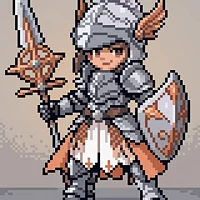
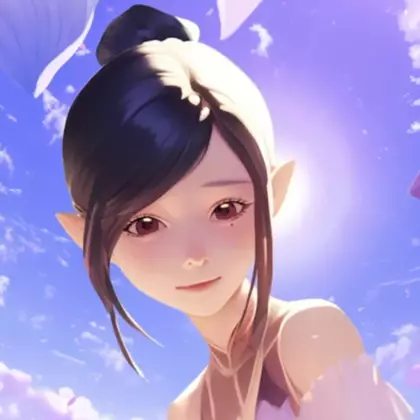
Getting to know Lost Ark starts with the class selection screen. The Korean studio Smilegate RPG added seven archetypes to the game — Warrior, Martial Artist, Gunner, Mage, Assassin, Specialist, and Guardianknight— each of which is divided into advanced classes with different mechanics. Curiously, when creating your hero, you cannot customize the character's body shape: it is determined by the class. If you want to play as an Aeromancer, commanding air magic — you get a petite girl. Facial parameters, however, can be edited in detail, and ready-made presets from other players save you from having to mess with settings yourself.
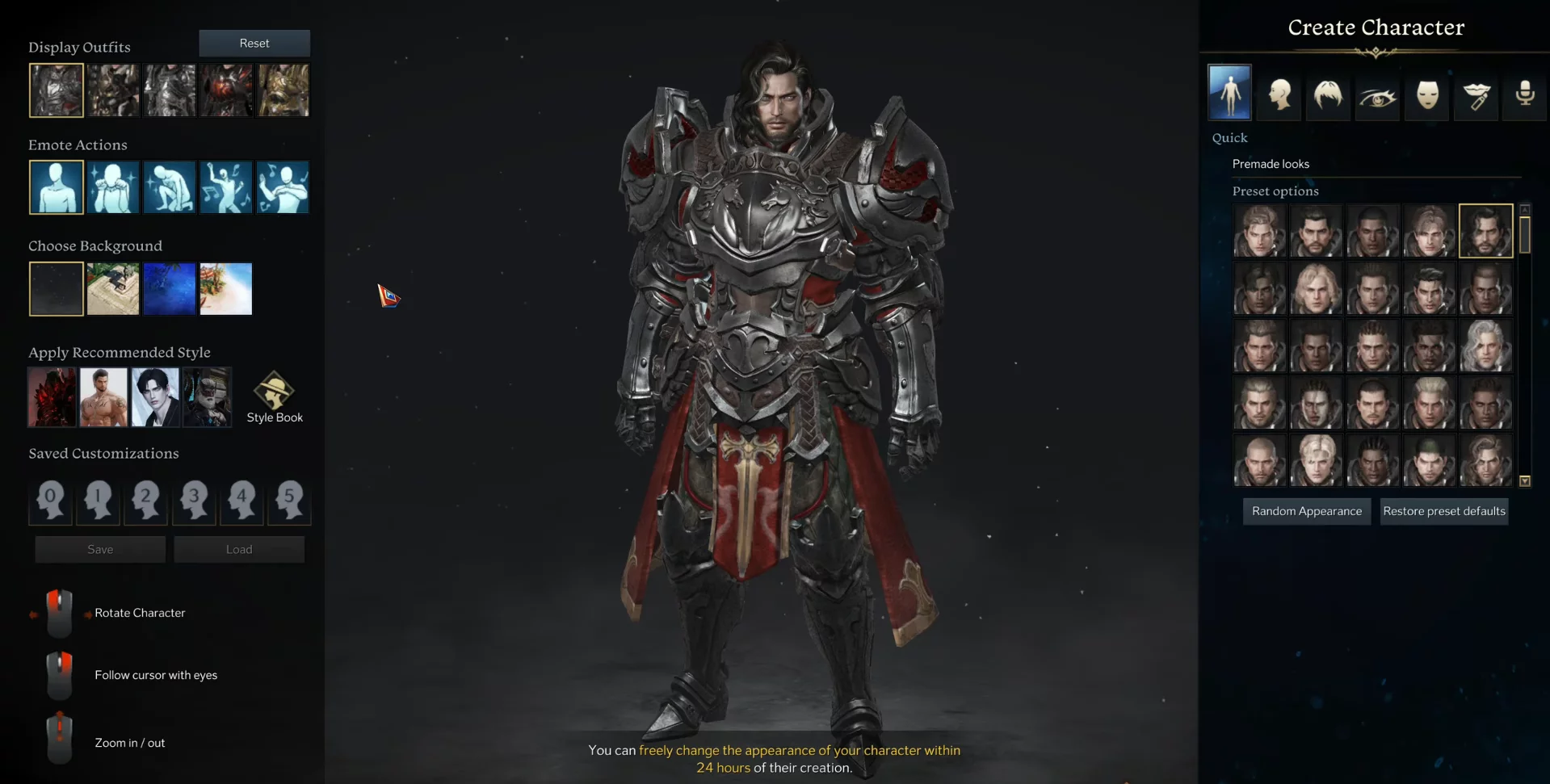
For those who find it difficult to decide on a class right away, the developers came up with a clever solution: a test is launched right in the menu. The game transports you to a small arena with already leveled-up skills, where you summon enemies or a mini-boss — this allows you to evaluate the classes in practice and find the one that feels best. Each class has a window with a brief description, plus the difficulty level and a list of key features. I tested several options and settled on the Aeromancer because the combination of weather attacks and a katana-umbrella as a weapon turned out to be unusual enough to grab my attention.
Beautiful Presentation, but Typical MMO Structure
The events of Lost Ark unfold in the world of Arkesia, which is threatened by an invasion of demonic lord armies. It all begins with the guardian Beatrice directing the hero to find the Ark, left by the god of light Regulus, to save the world. Thus begins the path of the Seeker. The plot is simple in structure, but Smilegate RPG clearly put effort into its presentation: the cutscenes are well-directed, and key characters are memorable. The Russian version stands out with decent voice acting, although it doesn't cover all content.
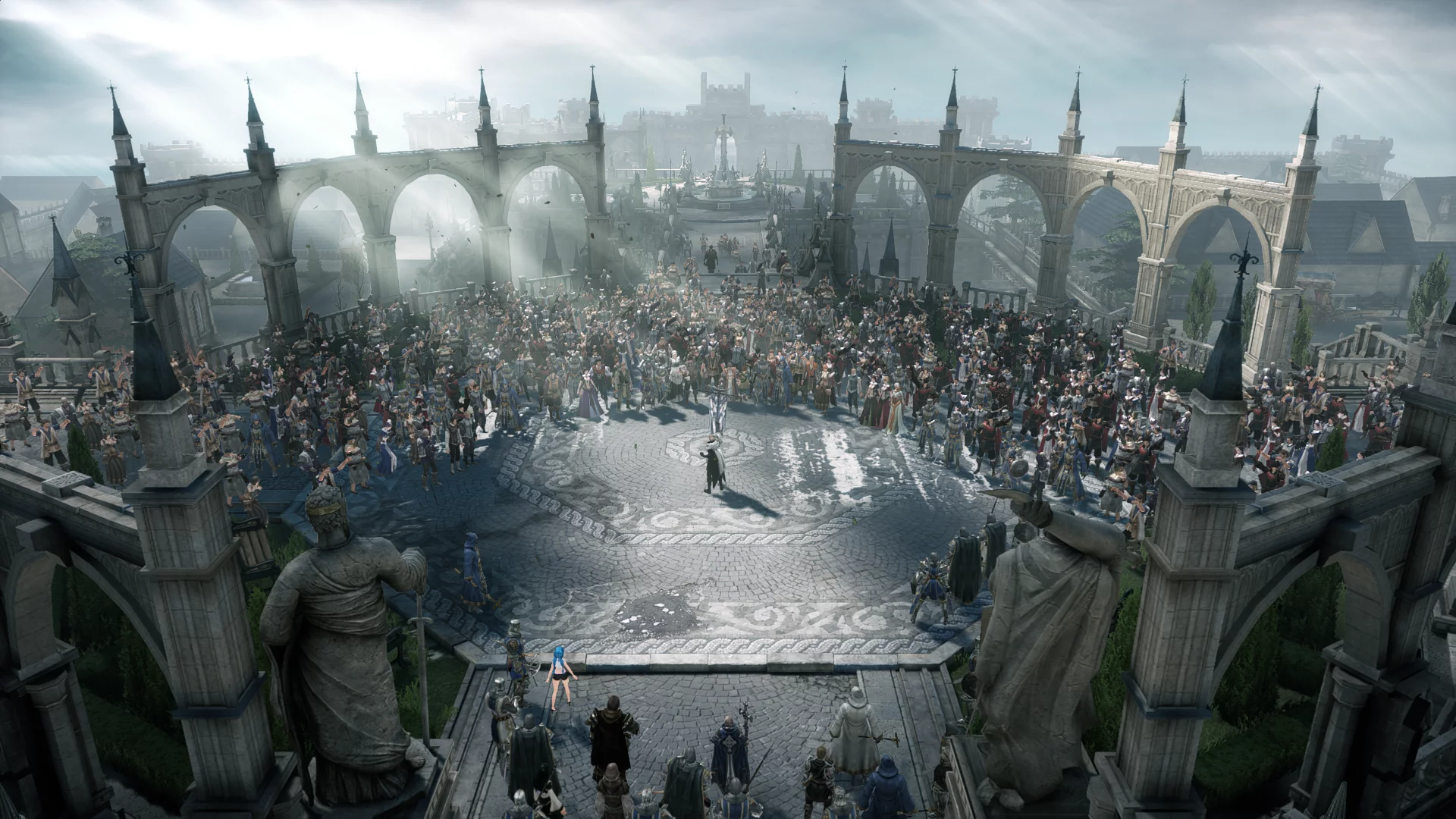
The journey across continents is accompanied by a striking change of settings. Medieval Rethramis with its villages and castles is replaced by the desert of Yudia, then — Luterra, where the same medieval aesthetic reaches an epic scale, becoming the center of the first major story arc. After that, the sea route opens to tropical Tortoyk, the East-inspired Anikka, and high-tech Arthetine with its neon signs, monorails, and combat robots. This variety of scenery keeps the campaign from becoming boring. Fans of mythological worlds and atmospheric fantasy will also find our selection of the best games based on Norse mythology and folklore useful.
The main complaint is related to quest design. Behind the spectacular cutscenes lies a typical MMO structure: talk to character A, then B, kill a group of enemies, return to A, run to C, bring an item from the next room. For the first few hours, this feels fine, but by the twentieth — it starts to get tiring.
Combat and Progression: The Main Reason to Stay
The combat system is the key strength of Lost Ark. The character moves via mouse, and the player has a set of skills with cooldowns at their disposal. Some deal area damage, others apply effects. For example, by filling the boss's stagger bar, you temporarily immobilize them and sharply increase the damage they take. The visual effects of the skills are grand, each ability is readable in combat, and hits and skills feel great — this is one of the game's greatest strengths. By the way, a similar focus on dynamic battles can be found in another modern MMO, which you can read about in our Blade & Soul: NEO review.
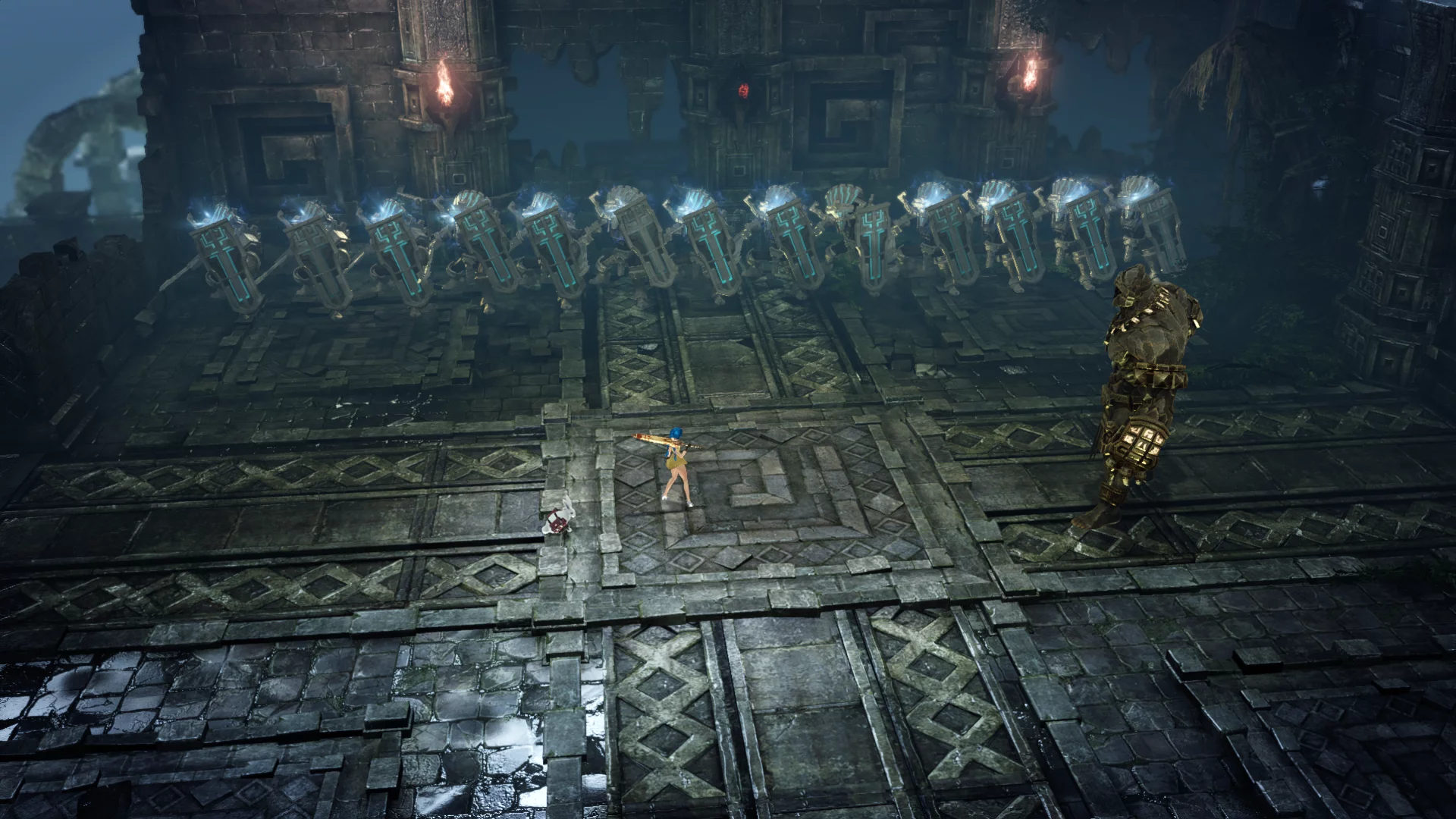
The progression system unfolds gradually. First, skill points unlock skill levels, then — tripods. For each skill at each of the three tiers, you can choose one of three enhancements: reduce cooldown, increase the area of effect, or add a new effect. Later, runes, engravings, the passive Ark system, and gems that enhance specific skills are added. At a certain gear level, the Transcendence system opens with a choice between two specialization branches. For the Aeromancer, it's "Wind Fury" or "Drizzle" — focusing on weather skills or umbrella attacks. None of these layers are dumped on the player at once — each reveals itself as you progress.
The difficulty during the campaign is low: monsters die quickly, and the character takes almost no damage. In the first 15 hours, a real challenge was encountered only once — in a story dungeon on heroic difficulty, where enemies finally started dealing significant damage, making it necessary to use healing potions that had previously just been accumulating in the inventory. The heroic difficulty dungeons provide better rewards, but at the initial stages, there is no practical point: the gear that drops there becomes outdated too quickly.
Lost Ark is clearly built around endgame content, but in 30 hours I've only seen the prelude to it. Therefore, it's too early to judge raids, group requirements, late progression, and how much the game pushes towards alts or donations.
What is most important to you in an MMORPG?
The Estate, the Ship, and Everything Else
Already in Luterra, before heading out to sea, the game opens access to the Stronghold — a personal base that can be customized and used for passive resource gathering. After completing the local story arc, you are given a ship: on it, you travel between continents, hire a crew of sailors, and develop the vessel, unlocking new bonuses. By the way, if you like naval adventures in games, don't miss our selection of the best pirate games.
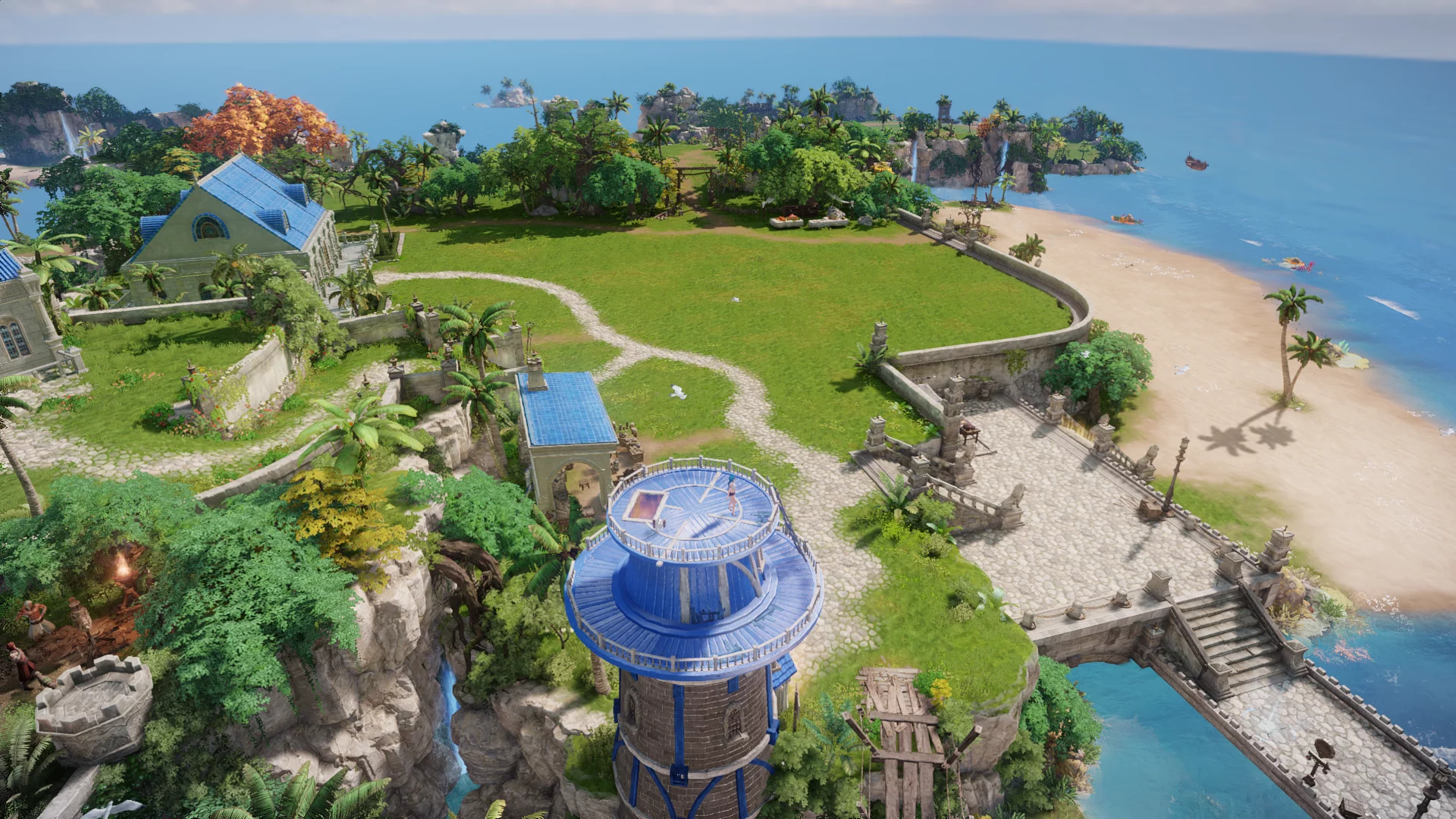
The Adventurer's Tome encourages you to explore each location fully: find all points of interest, collect collectible items, and gradually receive rewards as you complete the region, as well as a bonus for achieving 100% completion.
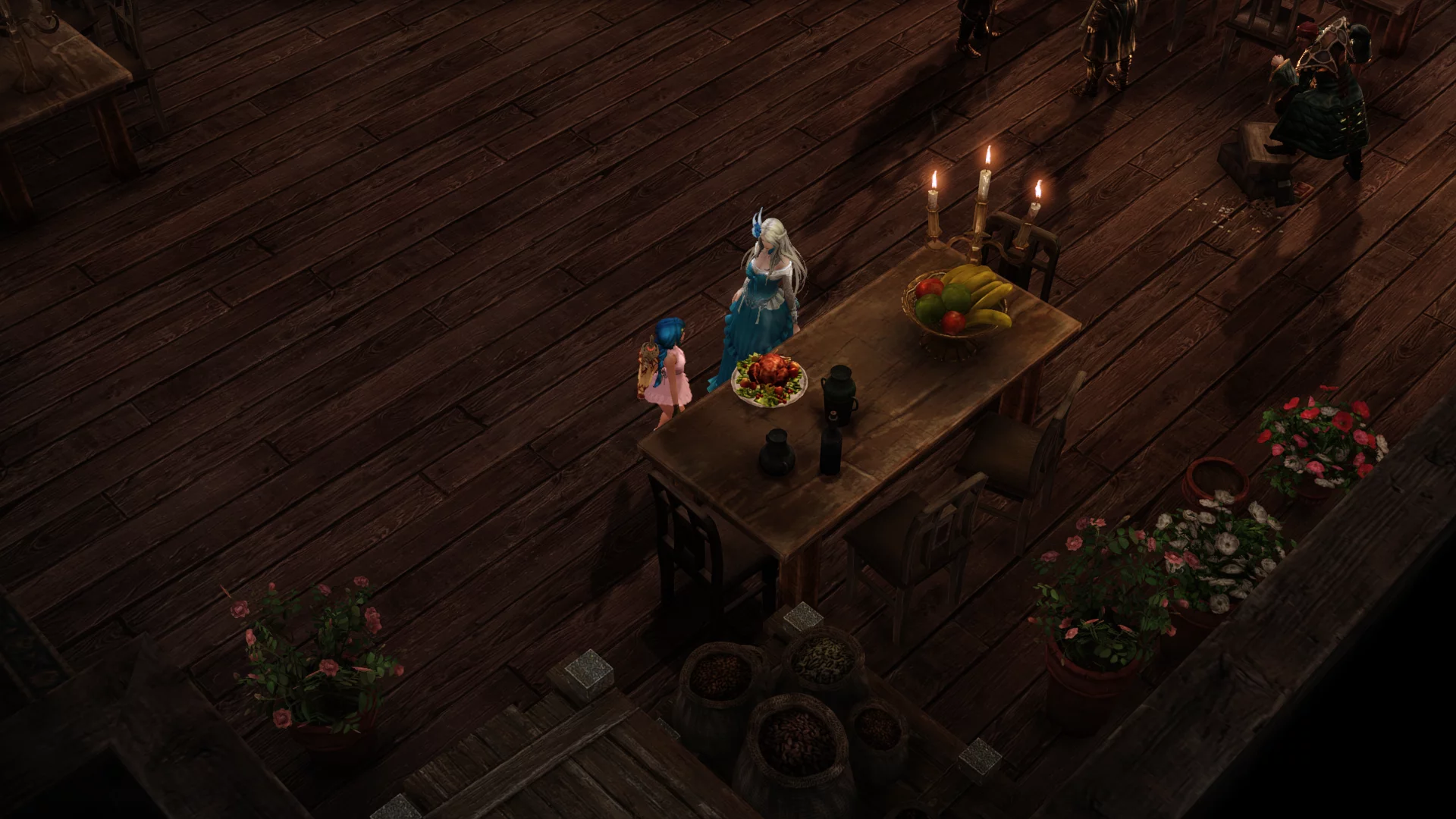
The Rapport system allows you to build relationships with individual characters: you interact with them every day, give gifts, and perform small personal quests. The very first character with whom you can increase rapport has a funny story about how she, as a tavern owner, tried to cook something without having any culinary talent.
There are also professions in the game — foraging, mining, fishing, hunting, and archaeology — the gathered resources can be sold via the in-game auction house or used yourself. And in the endgame, raid bosses and large group activities open up. For those looking for someone to share a similar experience with, our selection of the best cooperative games for PC, PS4, PS5, and Xbox will help. It's because of this variety of activities that Lost Ark feels like a massive MMORPG with a supply of content for dozens of hours — this is how other long-living representatives of the genre try to hold attention today: you can read our ArcheAge review and Aion Classic review to see that it's the same story there.
Monetization Barely Interferes at the Start
Lost Ark is a free-to-play game (we've gathered more projects like this in our selection of the best free PC games). Immediately after the introductory scenes, you are offered to buy an "Ascension" pass, which allows you to skip a lion's share of the campaign and immediately receive gear of the required level. A pet that picks up items works from the first minutes, but additional stat boosts it can provide require a separate paid pass.
Fortunately, during the walkthrough, the campaign does not create the feeling that something is missing without purchases. The paid pass looks more like a way to save time on a second or third character if you no longer want to go through the story again. I can't say yet how noticeable monetization becomes later, when the most demanding content opens up.
Would you play through a long campaign again on a new character?
Lost Ark wins you over from the first hours: spectacular combat with a deep progression system, a variety of continents with different settings, and a story presentation that is decent for the genre. The campaign starts to get tiring in places due to repetitive tasks, but the change of regions, local stories, staged scenes, and new mechanics helps maintain interest. In the end, Lost Ark turns out to be an MMORPG where not only the endgame is interesting, but also the journey towards it.