Star fever (or maybe just greed) affects everyone. That’s what happened with Dragon Age 2, whose total simplification caused a storm of criticism from the very first minutes of the game. If in DA: Origins we could feel the epic scale of what was happening and traveled across a vast country, now we get the story of a single person stretched over an entire game—though it would’ve been enough for just one DLC.
Story and RPG Elements
Dragon Age 2 is only loosely connected to the original, even though the events of the sequel take place shortly after "Origins." For some reason, the writers decided to leave as few ties to the first game as possible, so the profile that many players carefully saved is practically useless—the consequences of your choices can only be seen under a microscope. The Blight raging in Ferelden forces our hero to flee to Kirkwall, a city of slavers and pirates now languishing in obscurity. That's where we'll spend the first two chapters suffering from boredom, running errands for anyone who asks, and only by the middle of the game does the story really kick off.
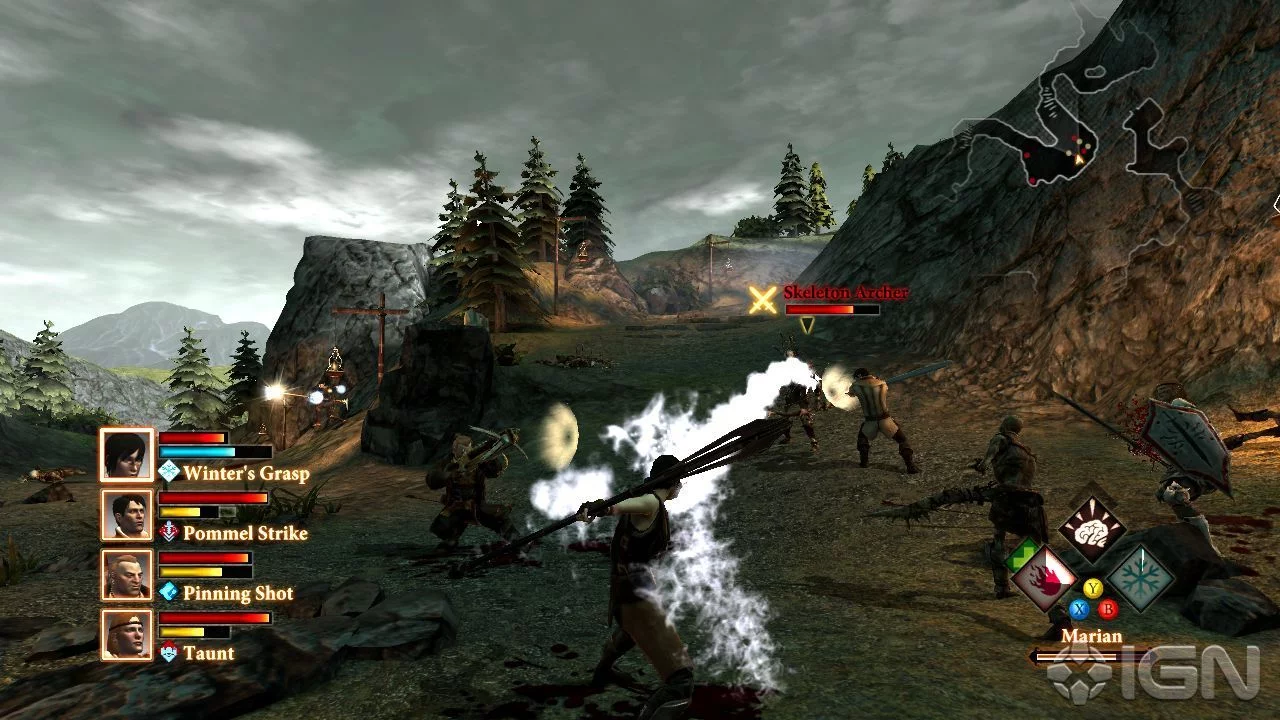
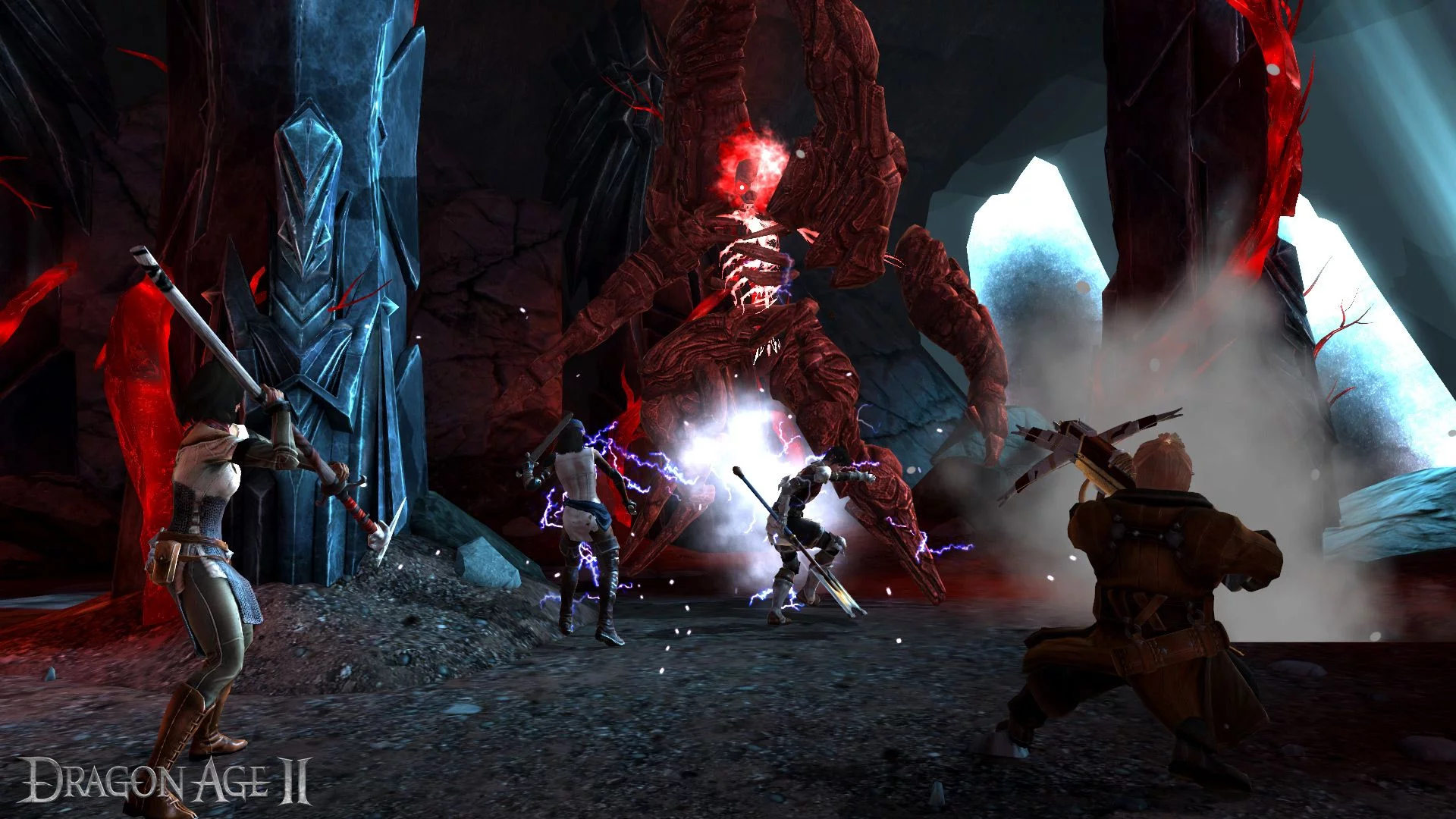
Encounters with enemies have sunk to the level of a Polish shooter: by throwing dozens of foes at the main character, the developers apparently hoped to add the dynamism that Origins somewhat lacked. Wading through pools of “bloody” ketchup is certainly dynamic, but you have to be especially gifted to actually die on normal difficulty. The tactical pause that used to help us before is completely unnecessary here—it’s so easy to play that you never even need it. The same “fate” befell the bosses, who show up from time to time: a few minutes of fussing around and it’s done.
The game world’s content was handled in a slapdash manner. Where did the well-developed quests, dialogues, and freedom of choice go, for crying out loud?! Interacting with in-game characters is only possible according to the script, and only in strictly designated places. Side quests have come very close to the “kill and fetch” standard, though there are some excellent ones among them. With such a contrast, it feels like BioWare simply ran out of time—some elements of the game were finished, while others were not.
The first example: the development of your party members and their personalities. The characters created by the writers are interesting and very colorful. The previous party relationship system is still here: if your actions please a companion, the indicator moves toward "Friend," and vice versa. There aren’t many gifts in DA2, so you’ll need to remember about personal quests and rare one-on-one conversations.
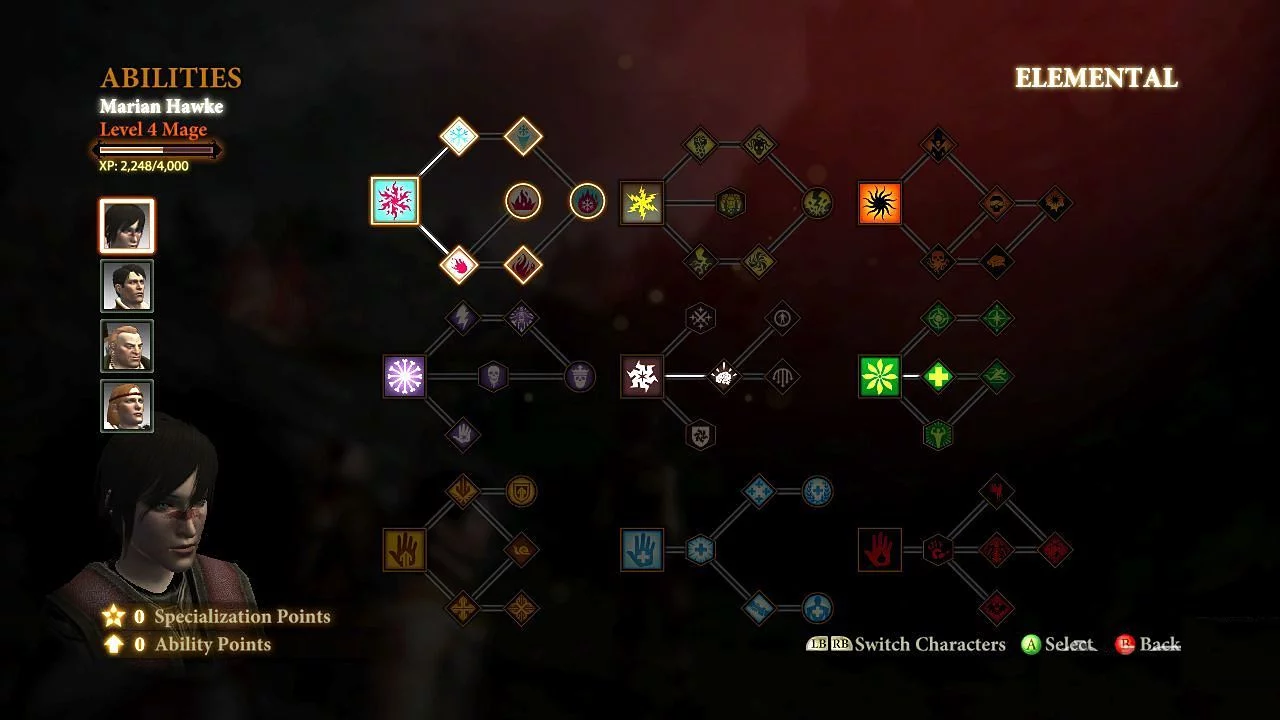
Second: a noticeable improvement in the visual style of the RPG system. Now we have more options when leveling up a character, though unfortunately there isn’t enough game content to max them out. A small improvement is the dialogue wheel, already familiar from Mass Effect 2. For convenience, lines are marked with special icons: “ask a question,” “sarcasm,” “hostile,” and so on. An obvious plus is the voice acting and emotions of the main character—it’s much more pleasant to listen to the dialogues now. Among the useful changes are some tweaks to the menus—navigation and searching are more convenient.

Graphics
The game lacks detailed graphical elements—the developers promised to show visual changes in the world over time, but Kirkwall and its surroundings remain unchanged. There are no major changes to the graphics engine, although the developers do offer DirectX 11 and high-resolution textures.
***
Dragon Age 2 is definitely not what fans of the first game were expecting. The epic scale, abundance of small details, and variety of locations are gone, and the picturesque landscapes of Ferelden have been replaced by the dullness of Kirkwall. On the other hand, there’s an interesting story, moral dilemmas, an unpredictable ending, and unexpected consequences for your actions. Despite a number of significant simplifications, Dragon Age 2 is still an adventure worth experiencing at least once for anyone who played Dragon Age: Origins.