
Billions at Stake: Valve Faces New Lawsuit Over Loot Boxes in Dota 2, Counter-Strike 2, and Team Fortress 2
 Hennadiy Chemеris
Valve is once again at the center of a legal firestorm, this time facing a fresh class-action lawsuit in its home state of Washington over loot boxes in its games. The case was initiated by law firm Hagens Berman, which filed the suit in federal court on behalf of two players and a proposed nationwide class of consumers who purchased loot box keys in Counter-Strike 2, Dota 2, and Team Fortress 2.
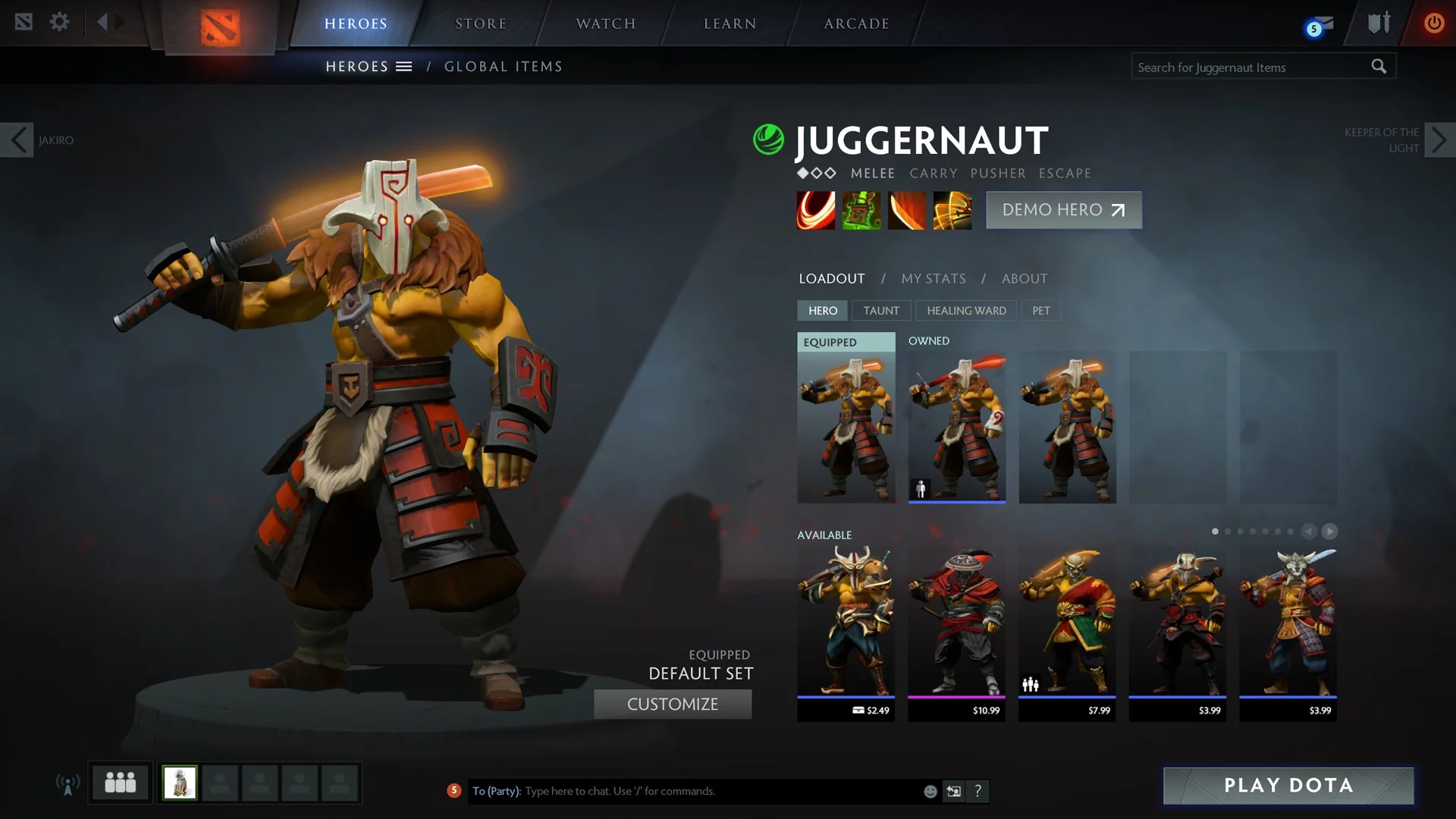
At the core of the complaint is the claim that Valve’s loot box system amounts to illegal gambling. While players can obtain loot boxes for free, opening them requires the purchase of a key, typically priced at around $2.49. The boxes contain cosmetic items—weapon skins or character accessories—but most rewards are worth significantly less than the cost of the key. The lawsuit alleges that Valve has intentionally structured the system like a casino, leveraging psychological mechanisms long used in the gambling industry: random rewards, “near-miss” animations, unpredictable payout rates, and incentives for repeat spending.
The complaint also points out that Steam does not provide robust age verification—users only need to confirm they are 13 or older, without formal checks or parental consent. This, the plaintiffs argue, raises serious concerns about exposing minors to gambling-like mechanics.
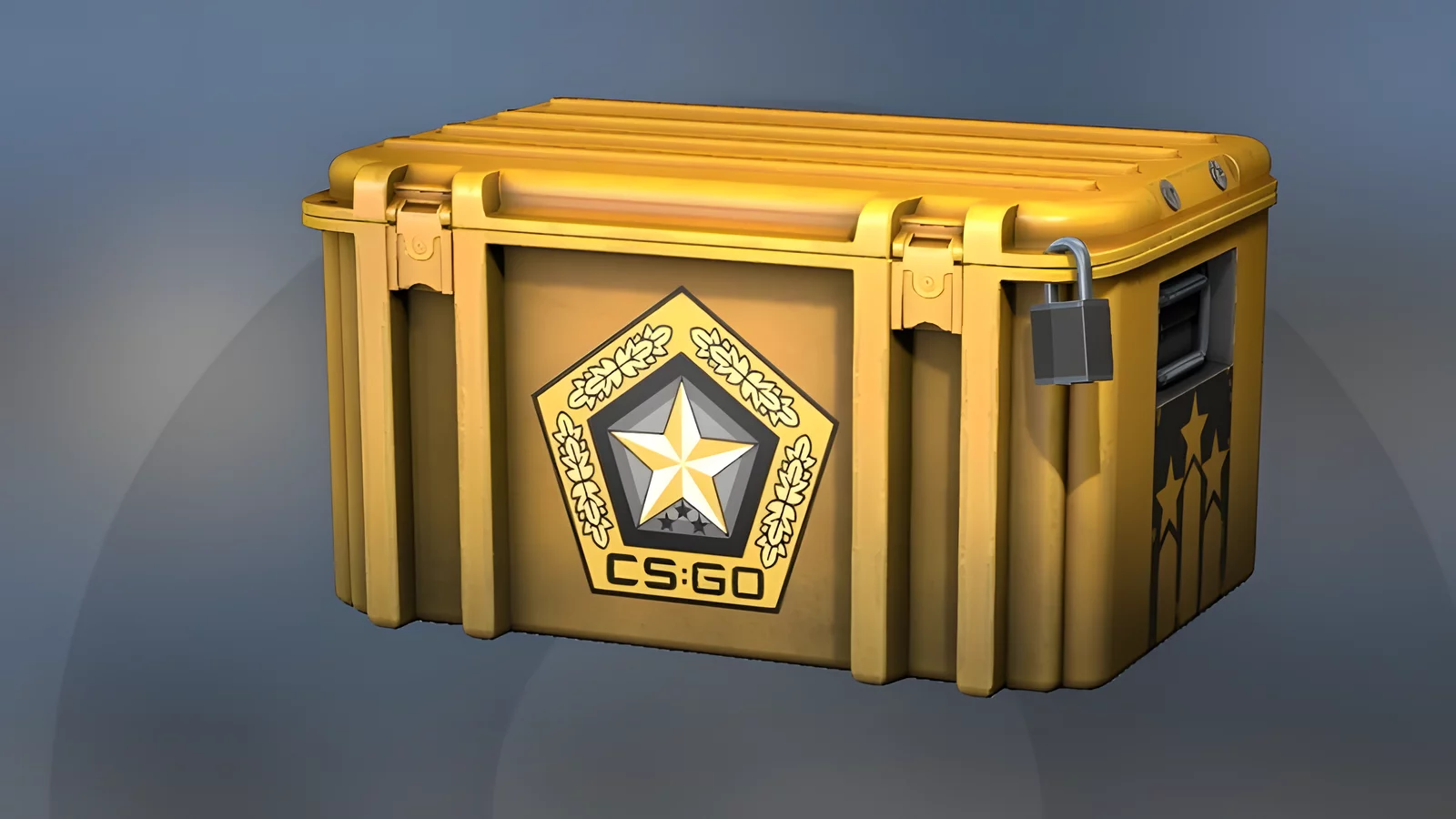
The plaintiffs are seeking triple damages, refunds, and a court order to halt what they describe as an illegal gambling system. According to their lawyers, Valve has sold loot box keys worth billions of dollars, making this system one of the company’s largest revenue streams.
This new complaint comes just weeks after New York Attorney General Letitia James filed a separate lawsuit on similar grounds. Experts note that Valve is likely to mount a vigorous defense, citing previous court decisions and potential First Amendment protections related to creative freedom in game development. The company has yet to issue a public comment on the latest lawsuit, but industry analysts suggest the outcome could have major implications for the digital games market and the future of loot boxes in the US.
Incidentally, we recently reported that Nintendo of America has officially filed a lawsuit against the US federal government in the Court of International Trade.
Do you think loot boxes in video games like Counter-Strike 2, Dota 2, and Team Fortress 2 should be classified as gambling and subject to strict regulation, or are they simply a form of entertainment for which players should take personal responsibility?
-
![Valve Fails To Block $900 Million Lawsuit: Steam Accused Of Overcharging UK Gamers]() Valve Fails To Block $900 Million Lawsuit: Steam Accused Of Overcharging UK Gamers
Valve Fails To Block $900 Million Lawsuit: Steam Accused Of Overcharging UK Gamers -
![Valve Aims for 4K/60 FPS on Steam Machine, But There's a Marketing Twist]() Valve Aims for 4K/60 FPS on Steam Machine, But There's a Marketing Twist
Valve Aims for 4K/60 FPS on Steam Machine, But There's a Marketing Twist -
!["Loot Boxes Aren’t Gambling?" — Valve Issues Official Statement After Controversial Lawsuit]() "Loot Boxes Aren’t Gambling?" — Valve Issues Official Statement After Controversial Lawsuit
"Loot Boxes Aren’t Gambling?" — Valve Issues Official Statement After Controversial Lawsuit -
![Casino of the 21st Century? New York Authorities Sue Valve Over Loot Boxes]() Casino of the 21st Century? New York Authorities Sue Valve Over Loot Boxes
Casino of the 21st Century? New York Authorities Sue Valve Over Loot Boxes -
![Valve Requested Video Evidence Of A Controversial Scene Ahead Of A Humorous Indie Game’s Steam Release]() Valve Requested Video Evidence Of A Controversial Scene Ahead Of A Humorous Indie Game’s Steam Release
Valve Requested Video Evidence Of A Controversial Scene Ahead Of A Humorous Indie Game’s Steam Release