Final Fantasy VII Remake
Add to My games



Final Fantasy VII Remake is a re-release of the Japanese role-playing game Final Fantasy VII from 1997. Fans of the cult JRPG and newcomers unfamiliar with the... Read more
All languages (11)
English: interface, subtitles, audio
Français: interface, subtitles, audio
日本語: interface, subtitles, audio
Español: interface, subtitles
Español (Latinoamérica): interface, subtitles
Italiano: interface, subtitles
한국어: interface, subtitles
Português (Brasil): interface, subtitles
简体中文: interface, subtitles
繁體中文: interface, subtitles
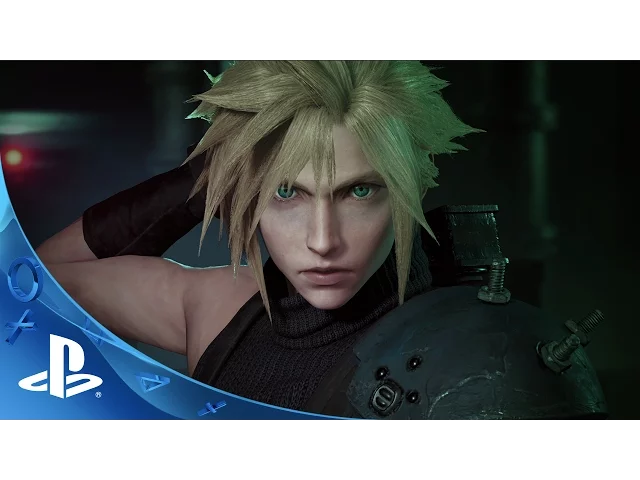
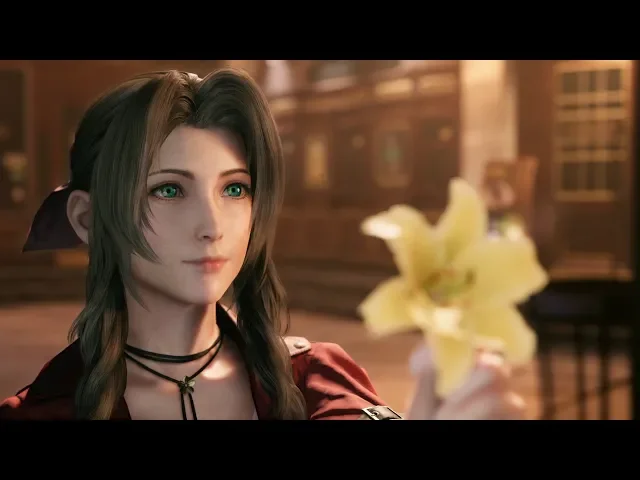
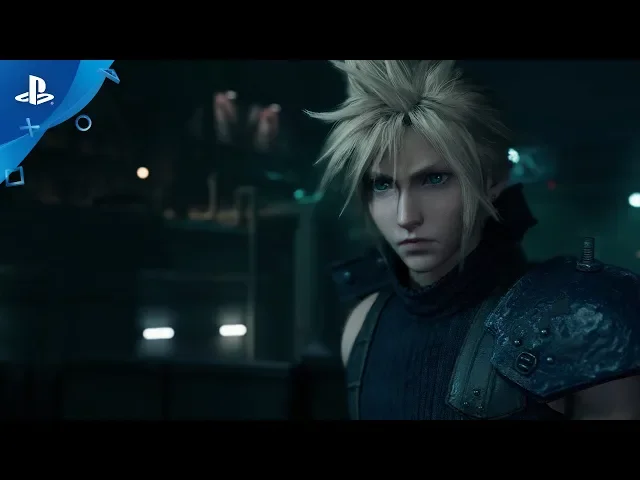
Final Fantasy VII Remake is a re-release of the Japanese role-playing game Final Fantasy VII from 1997. Fans of the cult JRPG and newcomers unfamiliar with the series can expect an exciting adventure lasting nearly a hundred hours, telling the story of Cloud Strife and the eco-terrorist group Avalanche, who seek to stop the activities of the Shinra mega-corporation.
In an effort to convey the spirit and themes of the original, Square Enix took an unusual step — dividing the reincarnation into several separate, large-scale games released over several years. Remake was the first, followed by Rebirth. Each release differed conceptually and genre-wise, introducing new elements and ideas, but the gameplay only improved after VII Remake, which featured a completely new combat system.
Features of the edition

Considering the scale and status of the original in the industry, Square Enix brought significant resources to work on the remake. It was made entirely "from scratch," but with a nod to the original when creating locations and characters, preserving the style and memorable moments, whether they were key or silly. Behind the beautiful appearance of the remake, fans will easily recognize the source material.
In the spirit of the times, Remake is less of a JRPG and more of a single-player narrative blockbuster. In terms of gameplay, it is a third-person action game in real time, with tactical pauses and character switching, equipment and character leveling, and role-playing elements. The journey has also been reimagined: a level that could be run through in a minute now offers a choice to fight through or solve a puzzle.
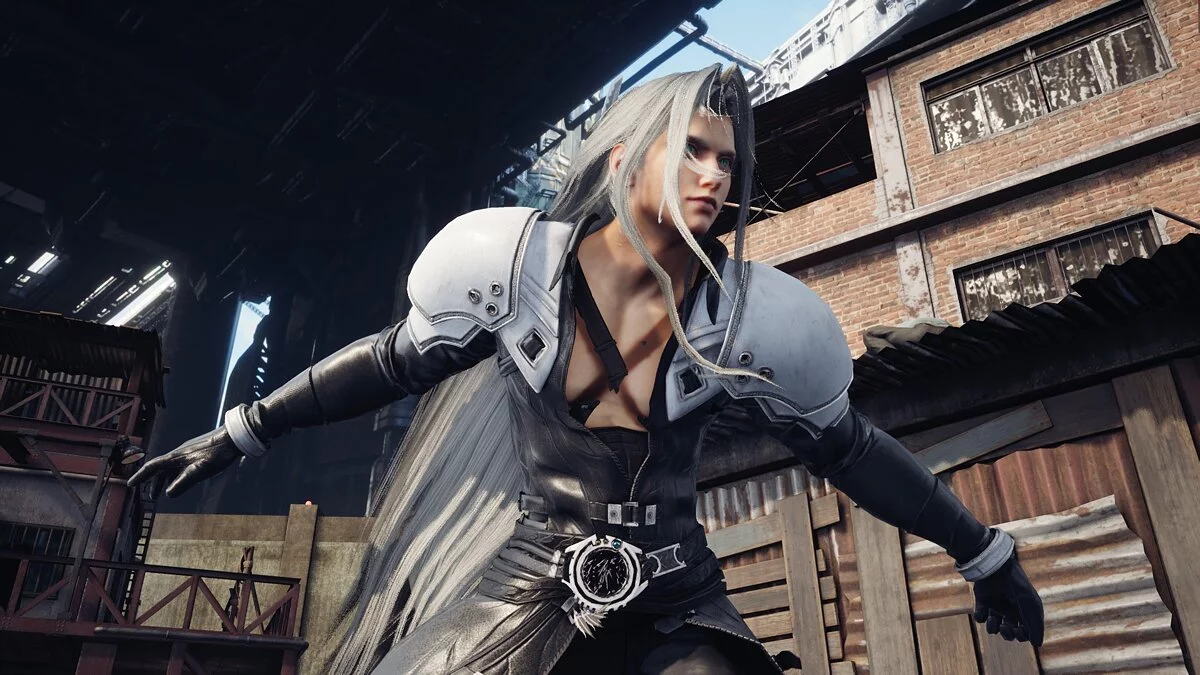
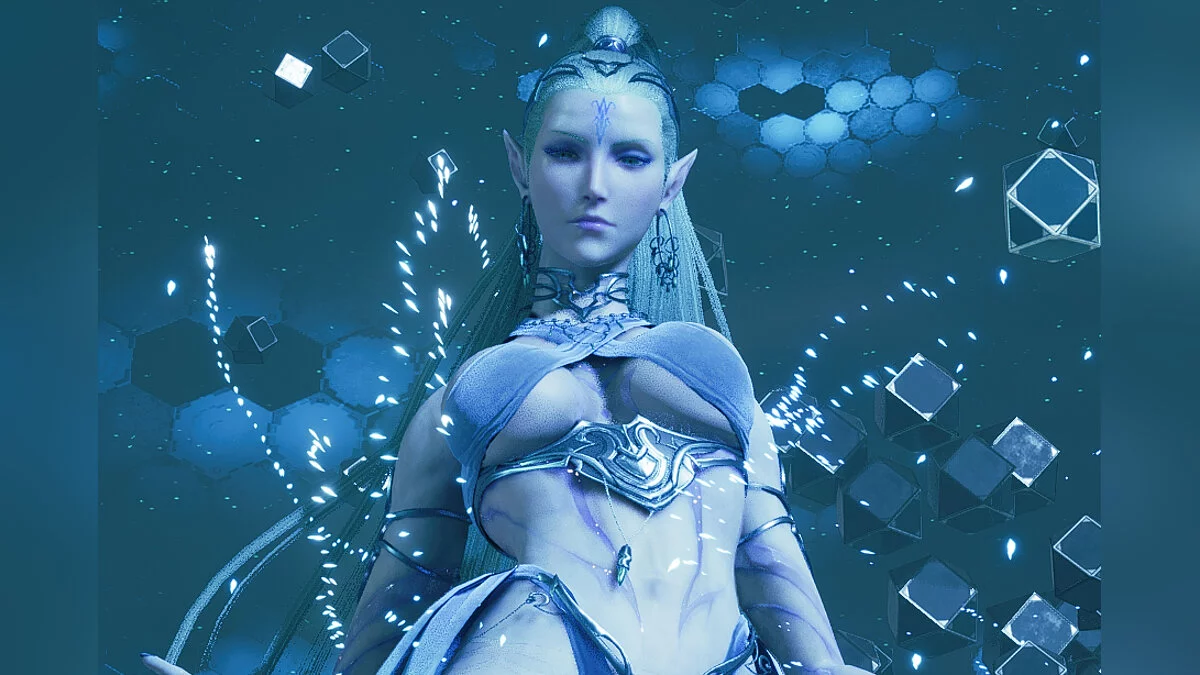
The main difference between the remake and the original is the use of modern 3D graphics technology and a meticulously crafted expansive game world. The game smoothly transitions from cutscenes to gameplay and back, creating a sense of a cohesive whole, largely due to the artistic presentation of CGI elements and high-quality graphics.
Backstory of events

Final Fantasy VII forms an extensive universe that players gradually explore as they progress. It is a deeply meaningful dystopia about the totalitarianism of power, the despotism of science, with elements of magical fantasy.
The action of the game takes place in an alternative reality on the planet Gaia, which, in terms of biomes and landscapes, resembles Earth but has its own flora and fauna. The dominant species is a humanoid civilization with elements of life forms not typical for Earthlings.
This is explained by the existence of the Lifestream — a mythical flow of life energy that runs through the planet's depths. This living and intelligent substance influences all events occurring on the planet; all beings originate from it and return to it after death.
Human civilization on Gaia developed similarly to ours but eventually learned to extract a special energy called Mako from the Lifestream, processing it into cheap and endless electricity. The Shinra Company, the first to do this, ultimately came to rule the world, while nations fell under its technological might or regressed to the age of coal and steam.
Shinra absorbed the roles of government, judiciary, and police, and is also the main employer and technological giant. It conducts unethical experiments, censors the media, and suppresses dissent, which does not prevent the development of a civilization of people that resembles our reality in many ways.
Game World
In Final Fantasy VII, there were three continents, and in the remake, the player will visit them all, but the action of the first episode takes place in the metropolis of Midgar and does not go beyond its borders. This is the headquarters of Shinra, literally grown out of the city: the poor and middle class live on the ground, while the rich and corporate employees reside above them in colossal skyscrapers.
Midgar is represented by dozens of locations of various shapes and sizes, but without an open world; even large levels resemble tubular corridors to quite open, large areas. In the spirit of the classics, the remake is completely linear, and before moving on, it is worth thoroughly searching everything and completing side quests. Thus, the life simulation is simple, NPCs are static and create an atmosphere by uttering a couple of phrases.
The city is divided into districts, each with a unique style: the center has a cyberpunk vibe, with neon-lit buildings that seem to float, the middle class lives in familiar low and high-rise buildings, while the poor districts, as everywhere, are strikingly devastated. Because of this, there is no monotony, and the linearity is hardly felt.
Characters and Plot

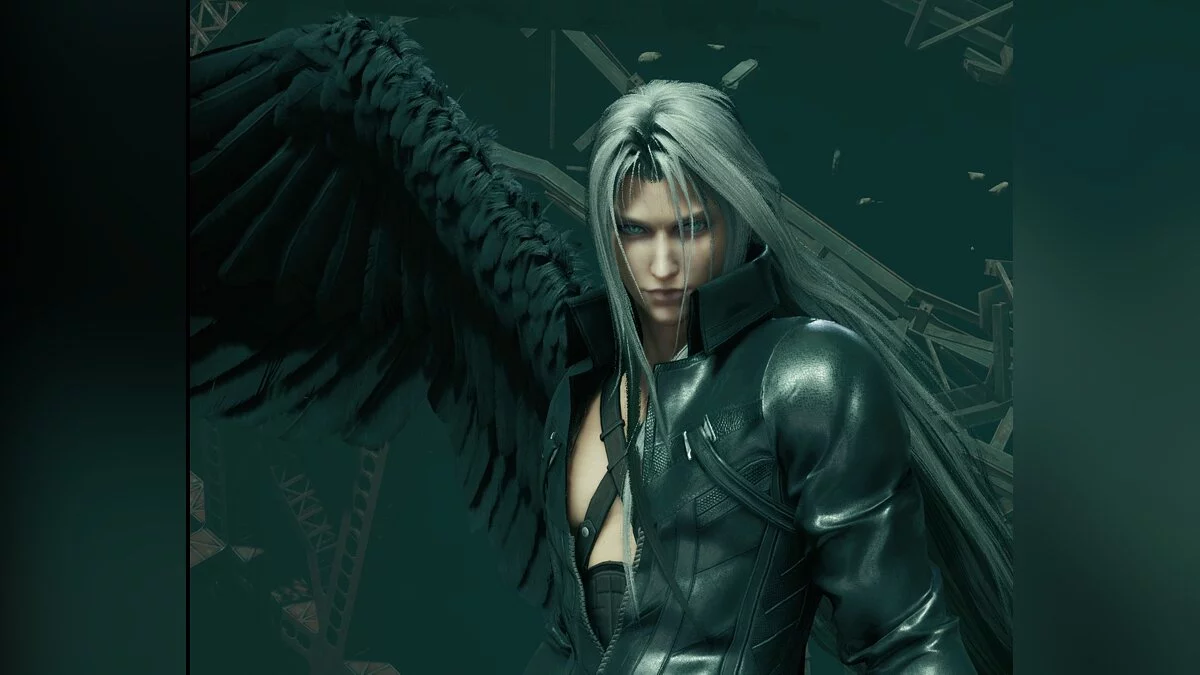
The remake preserved one of the best plots among games of all time; the authors carefully transferred the story from the original 1997 version, and the quality of the narrative meets all modern standards. Prepare for immersion in a grand story, where besides the protagonist, there are 3 leading heroes and several antagonists, a multitude of secondary characters, not to mention a heap of NPCs with short quests.
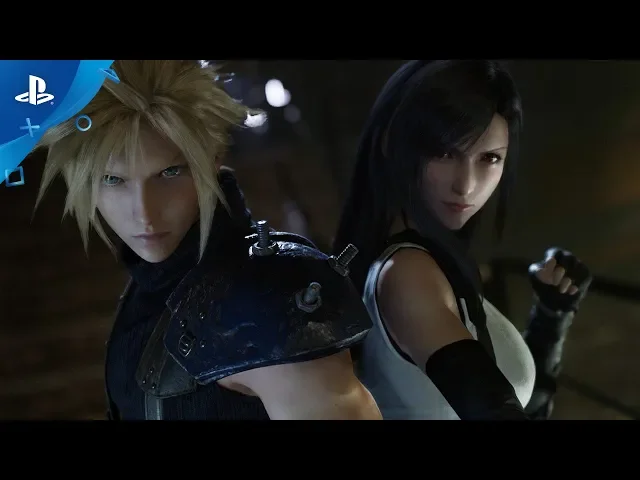
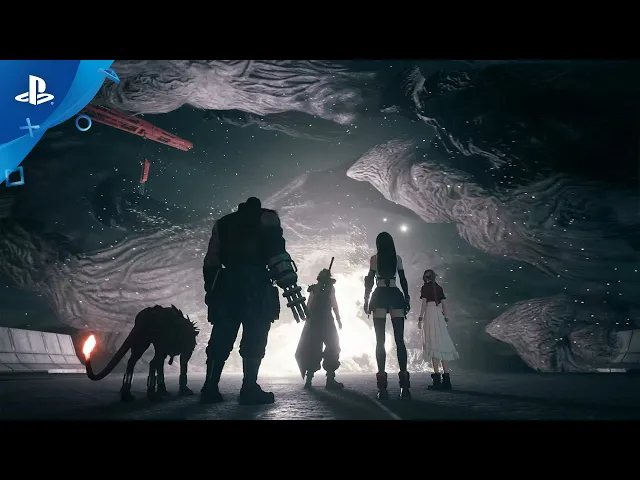
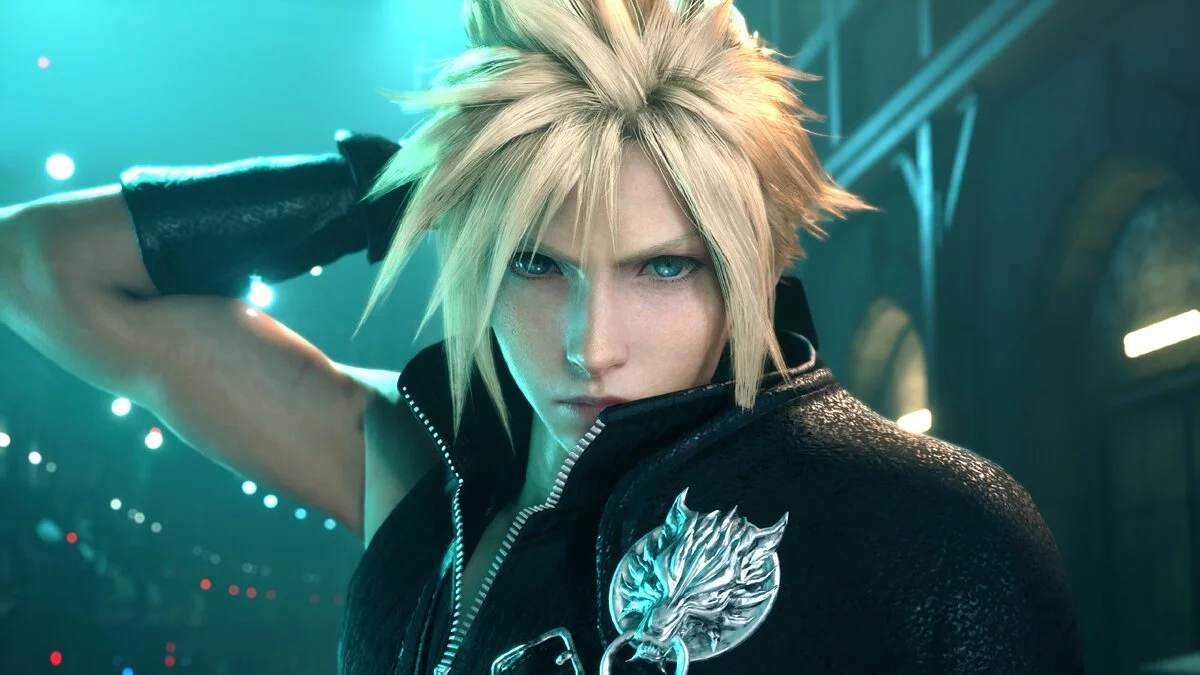
Former Shinra SOLDIER Class I Cloud, by fate's will, becomes a mercenary and finds himself among eco-terrorists, initially only interested in the money for dirty work. But over time, the hero changes and finds his calling in saving the planet from Shinra. This is influenced by his acquaintance with the charismatic stormtrooper Barret, the sexy childhood friend Tifa, and the charming flower girl Aerith.
This story will have everything — love and betrayal, mutual aid and deception, reflections on dubious ways to counteract the corrupt state machine, and an abundance of unexpected twists. But without the cynicism, brutality, and overall drabness characteristic of modern games. On the contrary, the plot of Final Fantasy VII is a kind, memorable tale of friendship and unity, in which you believe and empathize with the characters.
The screenwriters changed many details: removed narrative errors, logical inconsistencies, replaced inappropriate lines and dialogues with new ones, significantly increased the number of phrases, remarks, and dialogues, carefully developed secondary characters, reinterpreted aspects of the lore that always raised questions.
Single player

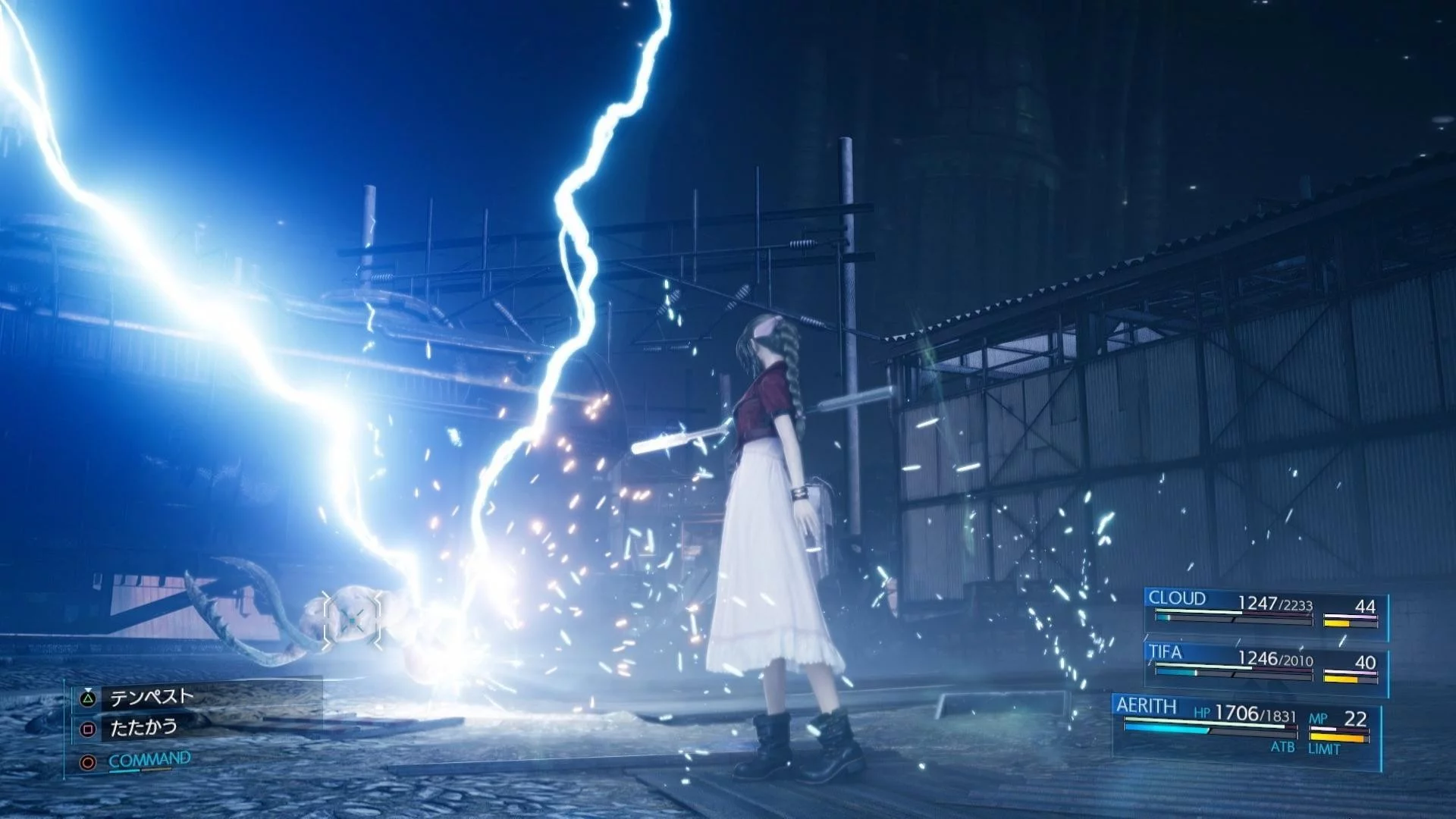
As in the original, the remake features three companions whose relationships develop throughout the game, but only two can be taken into battle. Each character is unique in their own way; for example, Cloud wields a sword well but also uses magical abilities, while Aerith is a typical support mage who avoids direct combat but weakens enemies and strengthens allies. However, the leveling system is very flexible—Aerith can be made into a battle mage, and Cloud can become a healer.
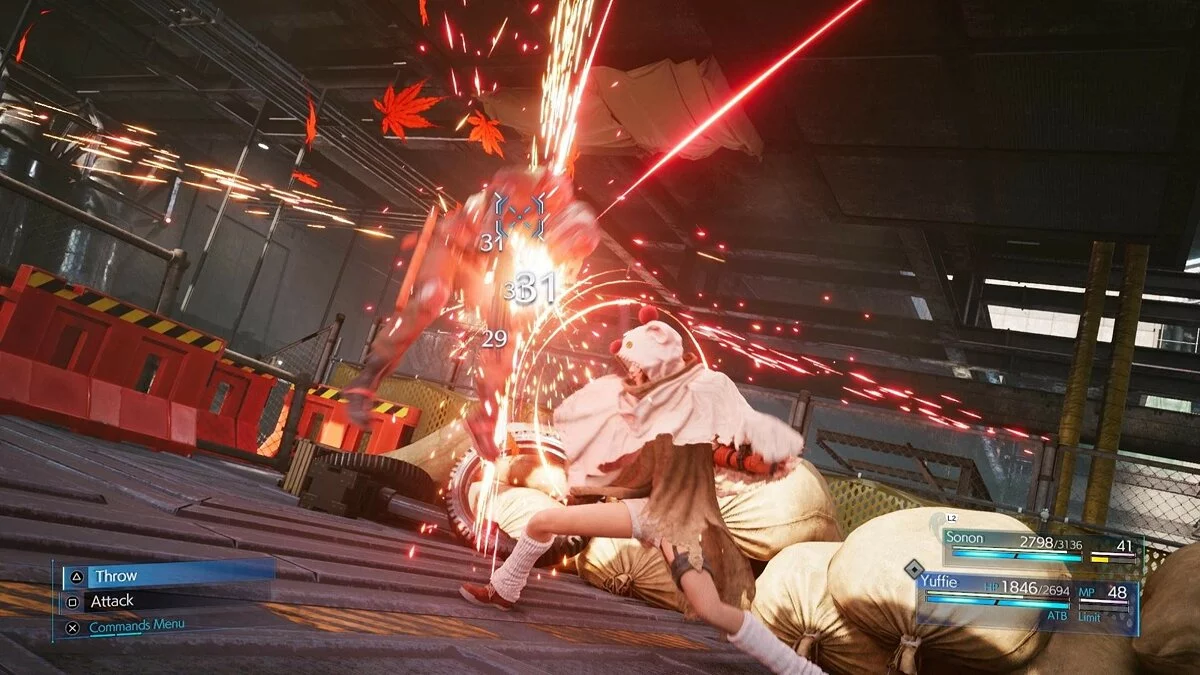
Players can switch between characters in battle to perform various tasks, such as shooting accurately or engaging in tough close combat—AI companions struggle with this. Strikes, shooting, and blocking attacks fill the ATB gauge, which can be spent on special moves, magical spells, and using potions that heal or enhance the character. A tactical pause allows players to command their companions as well.
The action and leveling system are designed to modern standards, simple and clear, allowing everyone to find their own play style, yet the combat is deep. Enemies react to the player's actions and can counter the use of abilities. Players can stun them or deal critical damage by knowing their vulnerabilities to certain types of attacks.
Boss battles are challenging, divided into several phases, and as the game progresses, enemies become fiercer and more dangerous, requiring players to change their tactics. Mindlessly attacking won't work—players need to know the weak points, use special abilities, and magic.
Key features:

- At the time of release, the game did not have and was not planned to have a full Russian localization or even subtitles;
- The original from 1997 captivated millions in the JRPG genre . The remake does the same, but at a qualitatively different level.
- To the credit of the remake's authors, they modernized and transferred many quests and gameplay tasks from the original, as well as bosses, like the living house or the Scorpion.
Store Offers and Discounts
![FINAL FANTASY VII Remake Intergrade (PC) [Global] [Standard]](https://files.vgtimes.com/si/shop_175205715.webp)
![FINAL FANTASY VII Remake Intergrade (PC) [Europe] [Standard]](https://files.vgtimes.com/si/shop_176970147.webp)
![FINAL FANTASY VII Remake Intergrade (Xbox Series) [Europe] [Standard]](https://files.vgtimes.com/si/shop_183899386.webp)
![FINAL FANTASY VII Remake Intergrade (Xbox Series) [United Kingdom] [Standard]](https://files.vgtimes.com/si/shop_196278414.webp)
![FINAL FANTASY VII Remake Intergrade (Xbox Series) [Europe] [Digital Deluxe]](https://files.vgtimes.com/si/shop_196278416.webp)
![FINAL FANTASY VII Remake Intergrade (Xbox Series) [United Kingdom] [Digital Deluxe]](https://files.vgtimes.com/si/shop_196278418.webp)
System requirements and PC test
- Windows 10 64bit
- CPU: Intel Core i5-3330
- RAM: 8 GB
- Free Space: 100 GB
- VRAM: 3 GB
- Video Card: GeForce GTX 780; Radeon RX 480
- DirectX: 12
- Keyboard, Mouse
- Windows 10 64bit
- CPU: Intel Core i7-3770
- RAM: 12 GB
- Free Space: 100 GB
- VRAM: 8 GB
- Video Card: GeForce GTX 1080; Radeon RX 5700
- DirectX: 12
- Keyboard, Mouse
Reviews and ratings

I played it, I finished it 100% in 3 months... its flaw: lack of open world and side quests.
J'y ai joué, je l'ai fini à 100% en 3 mois, ...son défaut : manque d'Open World et de quêtes annexes
News
-
 Sonic Racing: CrossWorlds Reveals Six Crossover DLC Packs
 -
 "Most of Final Fantasy VII's melodies are boring": Nobuo Uematsu explained why he meant it that way
 -
 Final Fantasy VII Remake Director Says a Witcher 3 Remake Would Terrify Him
 -
 The combat director of Final Fantasy VII Revelation hasn't found the perfect balance across three games — and that's exactly why he's not tired of the trilogy
 -
 Robert Pattinson Reacts to Learning Final Fantasy VII Remake Is a Trilogy
 -
 Final Fantasy VII Revelation Will Be Around 200 GB, Director Says
 -
 Players Gathered Evidence Against Sony Right on the PlayStation Website — and Archived Every Page
 -
 Final Fantasy VII Revelation Devs Want Players to Interpret the Ending for Themselves
 -
 Final Fantasy VII Remake trilogy recap trailer sparks fan reaction
 -
+ 34 news