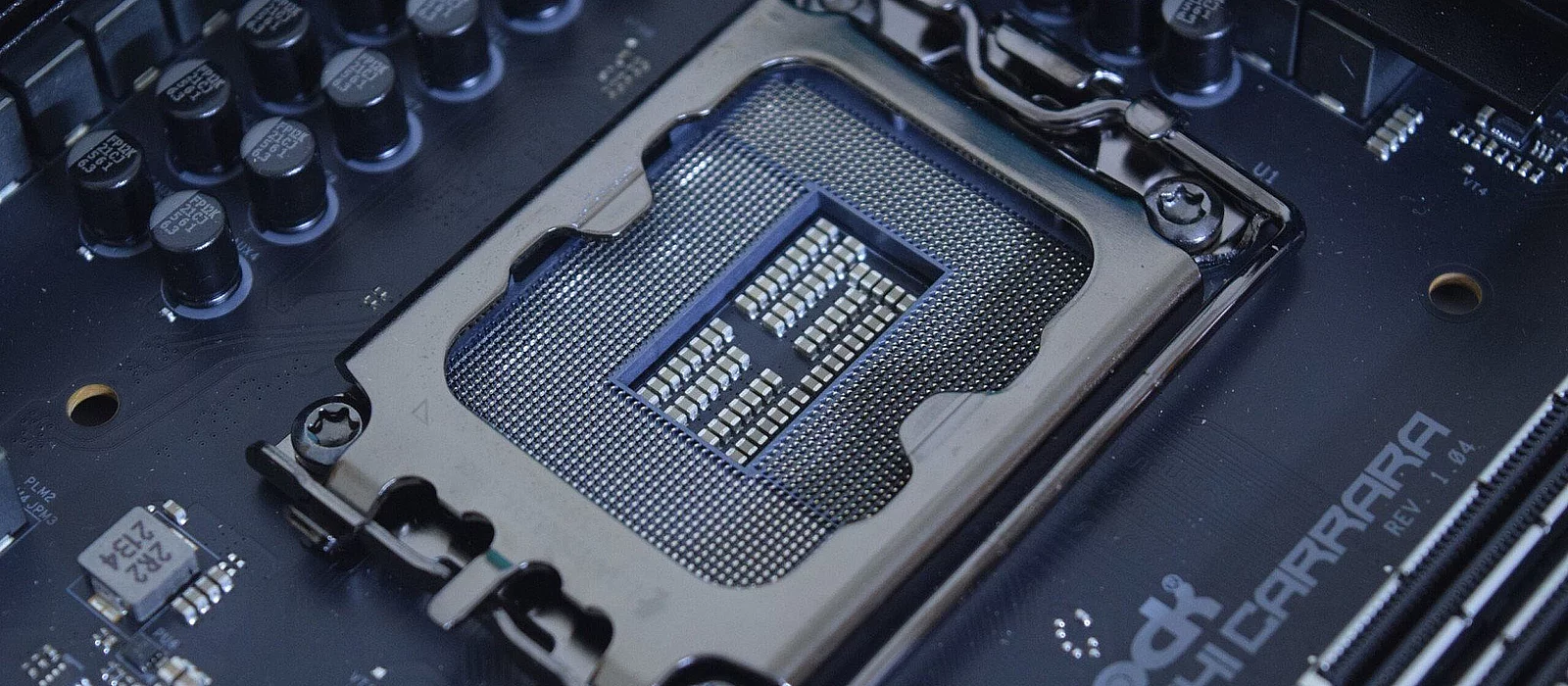
Intel is planning yet another socket change for its processors — this time, just one generation later. Following the recent launch of LGA-1851 with the Core Ultra 200 (Arrow Lake-S), the company’s next desktop platform, Nova Lake-S (Core Ultra 400), will require a brand-new socket: LGA-1954. This means current LGA-1851 motherboards, including those compatible with the upcoming Arrow Lake Refresh, won’t support the new chips launching in 2026.
According to leaked documents, Intel is already shipping early Nova Lake-S samples and LGA-1954 components to its partners. The main reason for the switch? A significant bump in core count. Top-tier Nova Lake-S CPUs are expected to feature up to 16 high-performance Panther Cove cores (P-cores), 32 energy-efficient Arctic Wolf cores (E-cores), and 4 low-power LPE cores for background tasks. Such a complex setup demands major changes to the platform’s power delivery and cooling design.
This move continues Intel’s trend of segmenting its CPU architectures. For instance, Panther Lake (Core Ultra 300) will remain exclusive to laptops, while Nova Lake-S is aimed squarely at desktop users. Meanwhile, the current-gen Arrow Lake-S — despite better multithreading — has received mixed feedback due to modest gains in gaming performance, further fueling criticism of Intel’s frequent platform overhauls.
The switch to LGA-1954 may frustrate users who recently invested in LGA-1851 setups. Still, for Intel, it’s a strategic push to accelerate hardware adoption — especially with rising demands for AI workloads. The revamped NPU in both Arrow Lake Refresh and Nova Lake could be a key selling point here. Nova Lake-S is expected to launch in the second half of 2026 alongside Intel’s 900-series chipsets.
Intel hasn’t officially commented on the plans yet, but if the current pattern holds, the platform following Nova Lake — rumored to be called Razer Lake — might bring yet another socket change, continuing the cycle of rapid platform updates.