
Intel Puts an End to Raptor Lake Stability Issues with Final Patch
 Arkadiy Andrienko
Intel has released a new microcode update — version 0x12F — for its 13th and 14th Gen Core processors, marking what appears to be the final chapter in the ongoing saga of Raptor Lake instability.
The issue this patch addresses occurred under very specific conditions: when systems were left running for days on end under light loads — for instance, during background tasks or when using basic office applications. In such cases, a “Vmin Shift” could occur, where the minimum voltage drops below safe levels, potentially causing crashes or unexpected reboots. According to Intel, update 0x12F builds on last year's major 0x12B patch, fixing the remaining edge-case bugs.
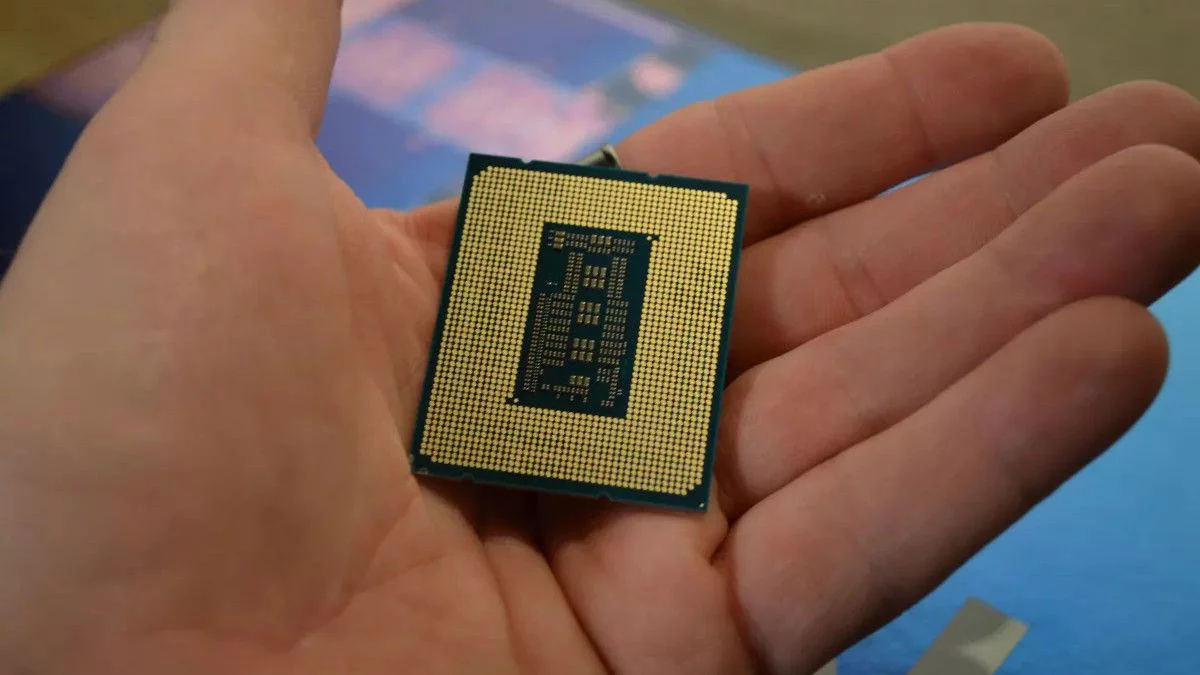
Back in September 2024, Intel had already rolled out a comprehensive microcode fix that tackled the core causes of instability — excessive idle-state voltage, overheating, and premature component degradation, especially in high-end K-series chips. However, some users continued to experience issues in niche scenarios. Intel assures that this latest patch has no impact on performance, whether in games or productivity apps.
The update is being delivered via motherboard BIOS updates. Intel recommends installing it even if you haven’t encountered any problems, as it reduces long-term risk to the CPU. Industry experts note that the Raptor Lake episode served as a wake-up call for Intel: the new Core Ultra 200S series has been designed with these lessons in mind, and so far, no similar issues have been reported. For owners of 13th and 14th Gen chips, this is likely the last major patch — from here on out, Intel will focus on supporting its newer product lines.
-
 Intel Unveils 14A Node, Moves Toward 3D Chip Design
-
 Intel to Stagger Panther Lake Launch: Flagship Chip Coming in 2025, the Rest in 2026
-
 Intel Gives Lunar Lake Laptops a Surprise Graphics Boost
-
 Intel Prepares Xe3 Celestial GPUs for Trial Production
-
 Intel Debuts Safe One-Click Overclocking for Arrow Lake CPUs