
Windows 11 Is Testing Deeper Android-to-PC App Integration
 Arkadiy Andrienko
Microsoft has begun testing a new feature for Windows 11 that's designed to streamline the experience between Android smartphones and PCs. For users enrolled in the Windows Insider Program, build 26200.5761 introduces the ability to pick up where you left off in an app, moving directly from your mobile device to your computer.
Currently, this new option is only available with a single app: the music streaming service Spotify. You can now start listening to a track or podcast in the Android app and then seamlessly switch playback to your Windows 11 PC without needing to rewind. The system will automatically display a "Resume" notification on the taskbar; tapping it will open the desktop version of Spotify and continue playing your current track — provided the app is already installed.
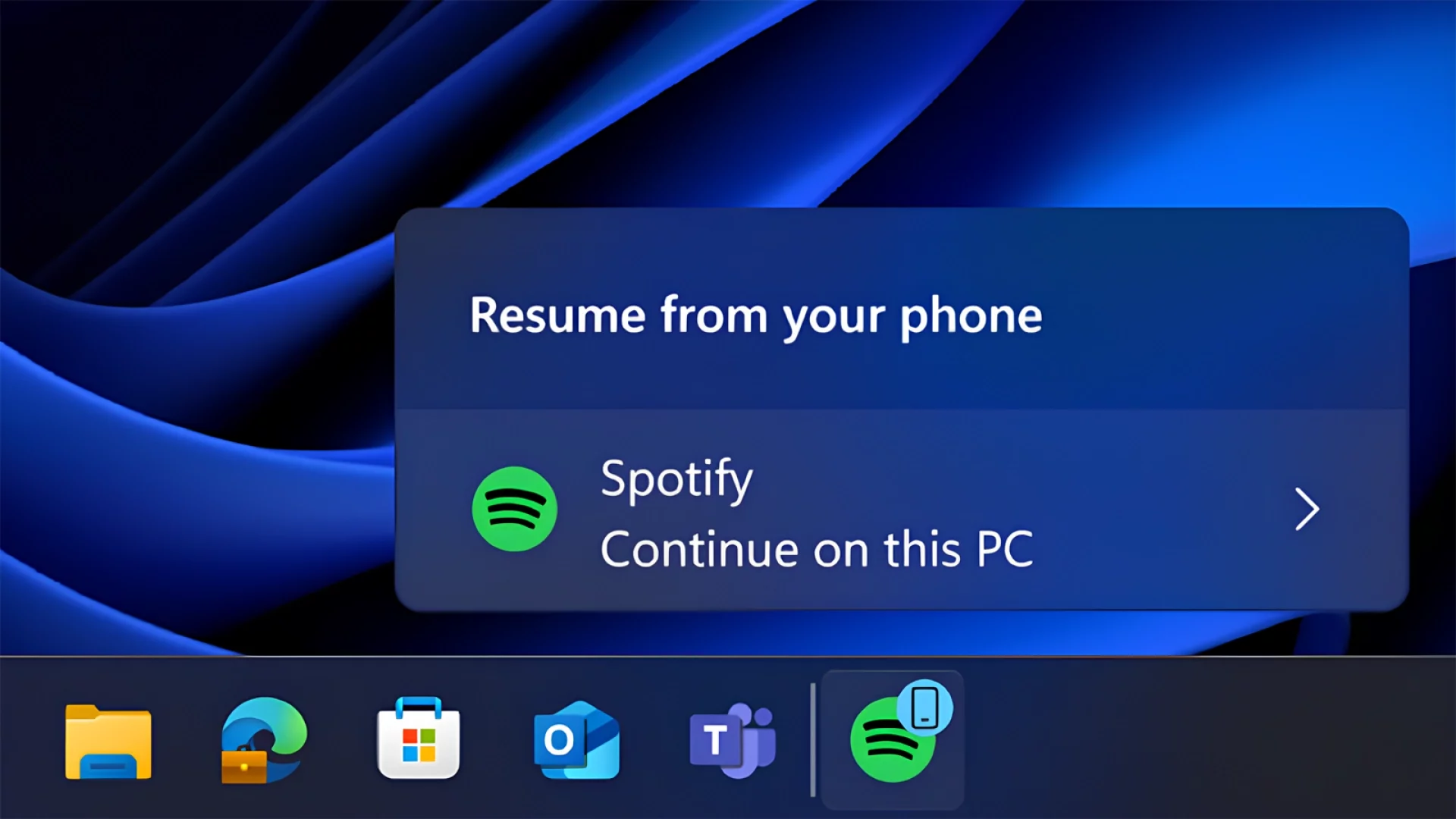
The feature is being rolled out gradually, so it may not be available to all Insiders immediately. Besides this integration, the new build also updates the battery charge icon on the lock screen for better readability. The developers have also squashed a number of bugs, including issues with gaming performance when using overlays and problems with Windows Hello.
Experts note that this kind of cross-platform integration is part of Microsoft's broader strategy to create a connected ecosystem of devices. We can expect the list of apps supporting this feature to expand in the future. There's no word yet on when this innovation will land in stable versions of Windows 11; that will depend on testing results and feedback from Insiders.
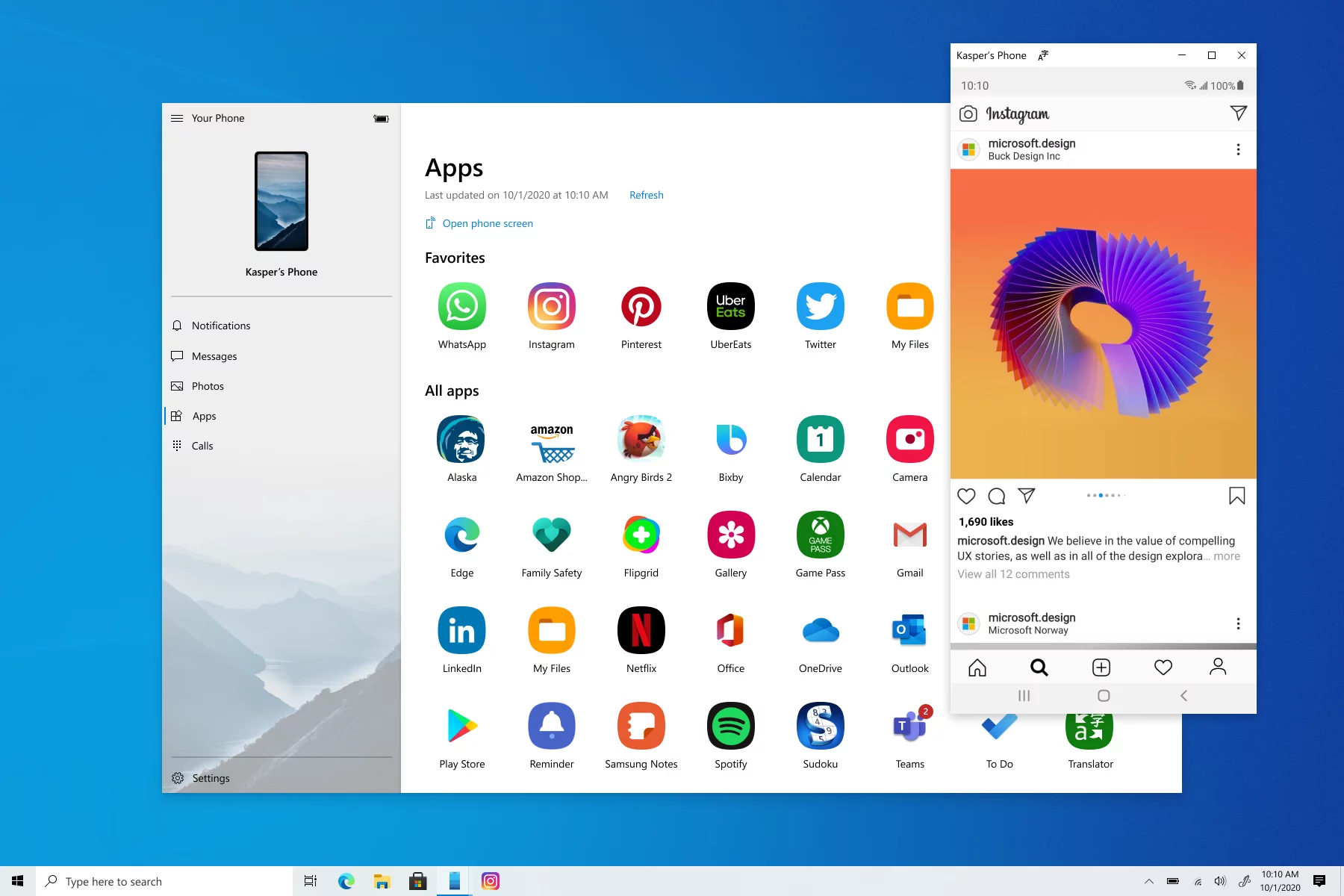
This functionality, along with previously introduced features like the gaming AI assistant Co-Pilot in Game Bar and the ability for automatic PC repair, paints a clear picture of Microsoft's strategy for Windows 11. The OS is evolving into a more connected, intelligent, and autonomous platform than any of its predecessors. It's gradually learning to work as a unified whole with other devices, anticipate user needs, and solve problems on its own, minimizing the technical know-how required for a smooth experience.
-
 Windows 11 Update Triggers Drive Crashes During Large File Writes
-
 Xbox Copilot AI Lands in Windows 11 Game Bar
-
 Windows 11 Finally Gets an Official Way to Remove Bloatware
-
 Windows 11 Overtakes Windows 10 in Market Share for the First Time
-
 Windows 11 Testing Self-Repair for PCs and AI Assistant Built into Settings