Despite the advancement of technology, some gameplay mechanics and systems are still rarely found in video games. For example, not every release can boast genuine freedom and nonlinearity, because implementing them is no simple task. Nevertheless, there are developers who put maximum effort into building such structures, and as a result, they create truly special projects. After all, when no one holds your hand or tells you what to do, you perceive what’s happening as a real adventure and dive into it headfirst. In this article, we’ve gathered examples of such games.
Open-world games with complete freedom of exploration
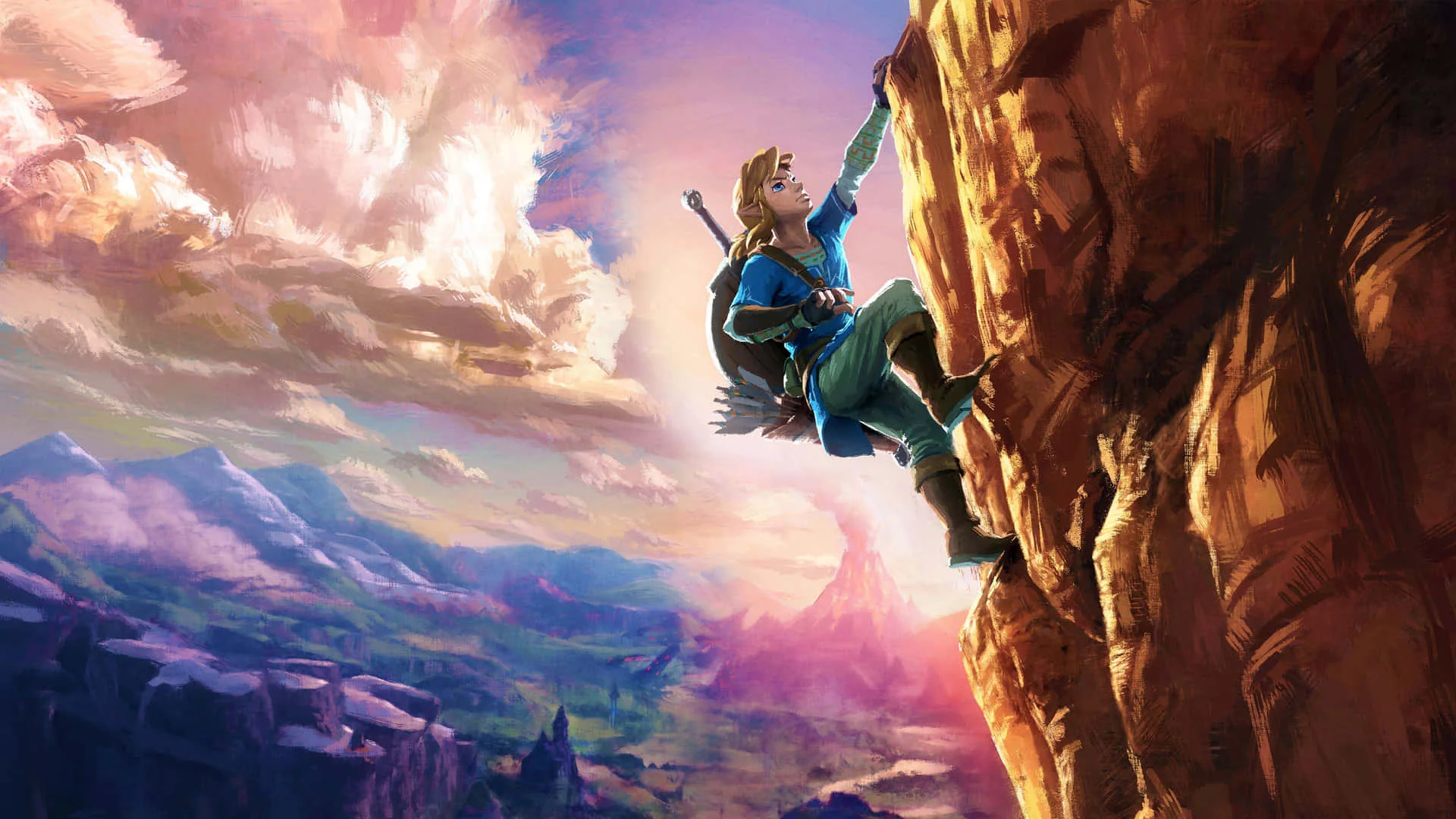
The Legend of Zelda: Breath of the Wild
- Year: 2017;
- Platforms: Nintendo Switch, Wii U;
- Co-op: no.
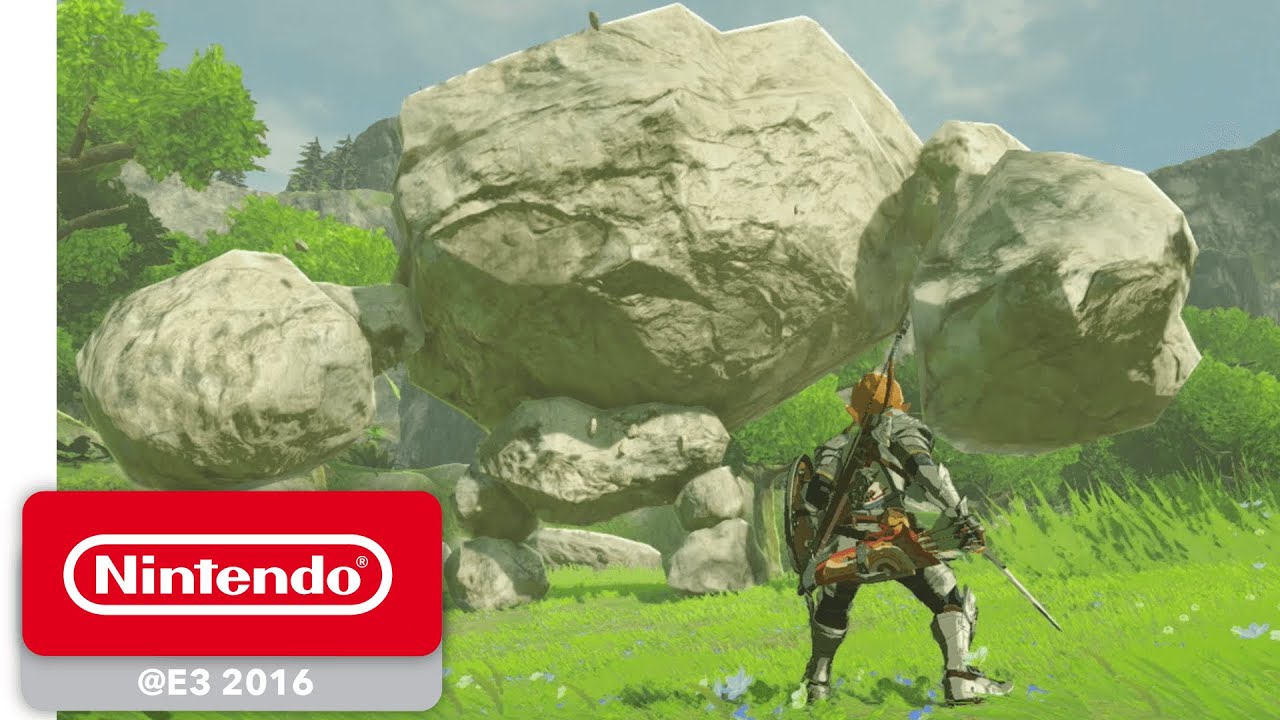
Quite often, the authors of major AAA open-world projects admit they were inspired by The Legend of Zelda: Breath of the Wild. Yet from Nintendo’s masterpiece they usually borrow only certain elements, nothing more. Few dare to replicate the game’s structure itself, because, let’s be honest, most studios simply can’t pull it off.
In Breath of the Wild you decide for yourself in which order to explore the map and complete story quests. The ability to climb almost any surface means that there are virtually no real barriers restricting exploration.
Once the player finishes the tutorial, they can head straight to Hyrule Castle, fight Ganon — the final boss — defeat him, and thus finish BOTW within the first hour. Pulling this off without solid gear and a boosted health bar is extremely difficult, but absolutely possible.
How do you feel about The Legend of Zelda: Breath of the Wild?
Elden Ring

- Year: 2022;
- Platforms: PC, PlayStation 4, PlayStation 5, Xbox One, Xbox Series X/S;
- Co-op: yes.
Unlike earlier FromSoftware souls games, where progression was somewhat stricter, Elden Ring fully emphasizes freedom. From the starting location you can head into a wide variety of zones. What’s more, the key story bosses that grant Great Runes don’t need to be defeated in a fixed order but in any sequence. And to unlock the game’s final levels, you only need to collect two such runes. Which ones — that’s up to the player.
Classic RPGs with maximum playthrough variability
Fallout
- Year: 1997;
- Platforms: DOS, Mac, PC;
- Co-op: no.
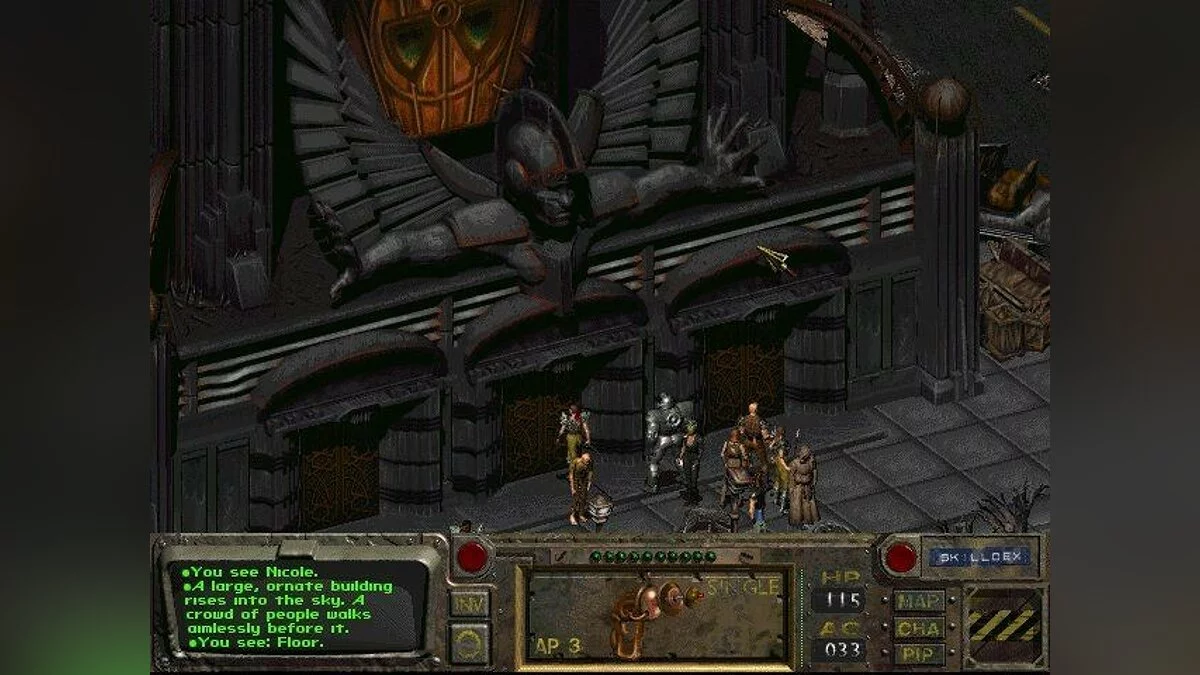
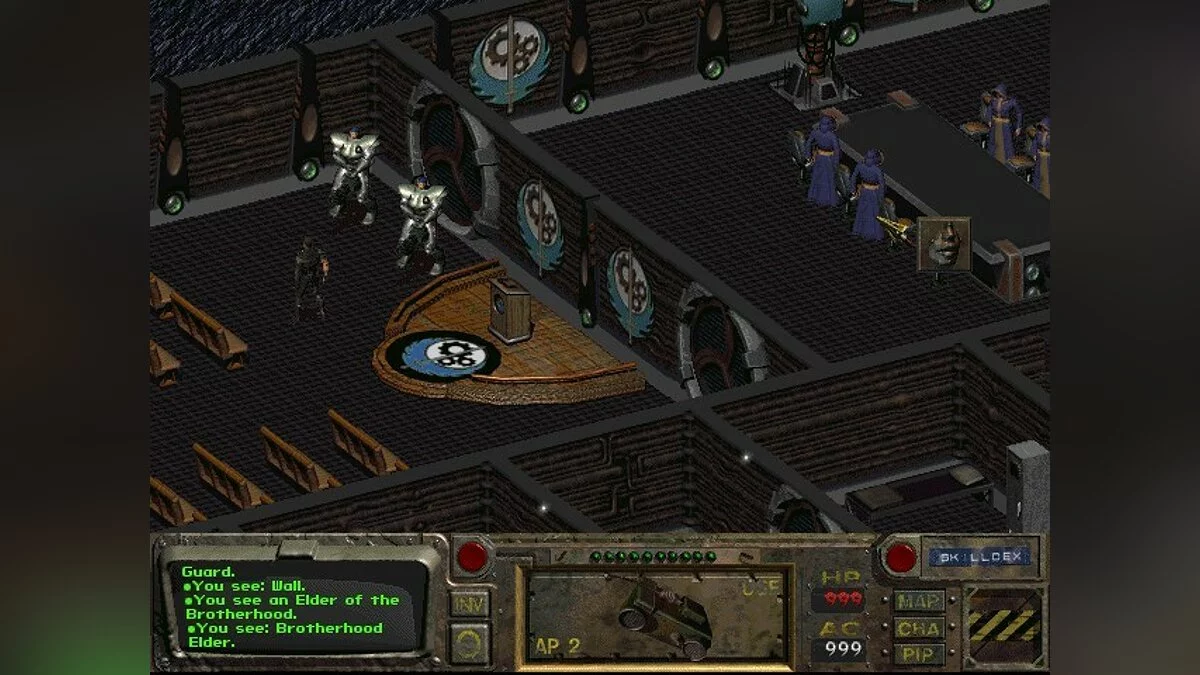
A classic example of impressive nonlinearity. The first Fallout is incredibly engaging to replay once you know what to do to complete the game and where you need to go for it.
There are countless ways to reach the finale. For instance, right at the start you can take on the quest to join the Brotherhood of Steel and immediately get power armor, which makes the other 99% of the game much easier. After that, nothing stops you from confronting the Master — the main antagonist. And if you invest in charisma and speech skills, you won’t even need armor: with a silver tongue, you can persuade the villain to abandon his plans.
Fallout 2
- Year: 1998;
- Platforms: Mac, PC;
- Co-op: no.
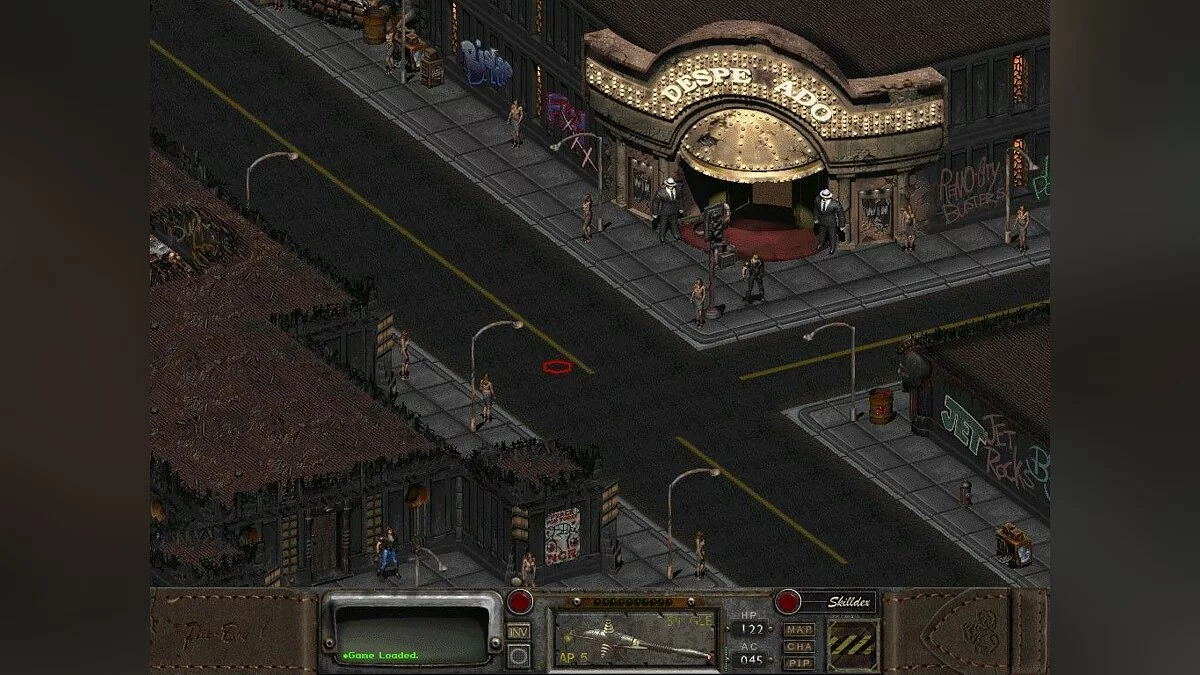
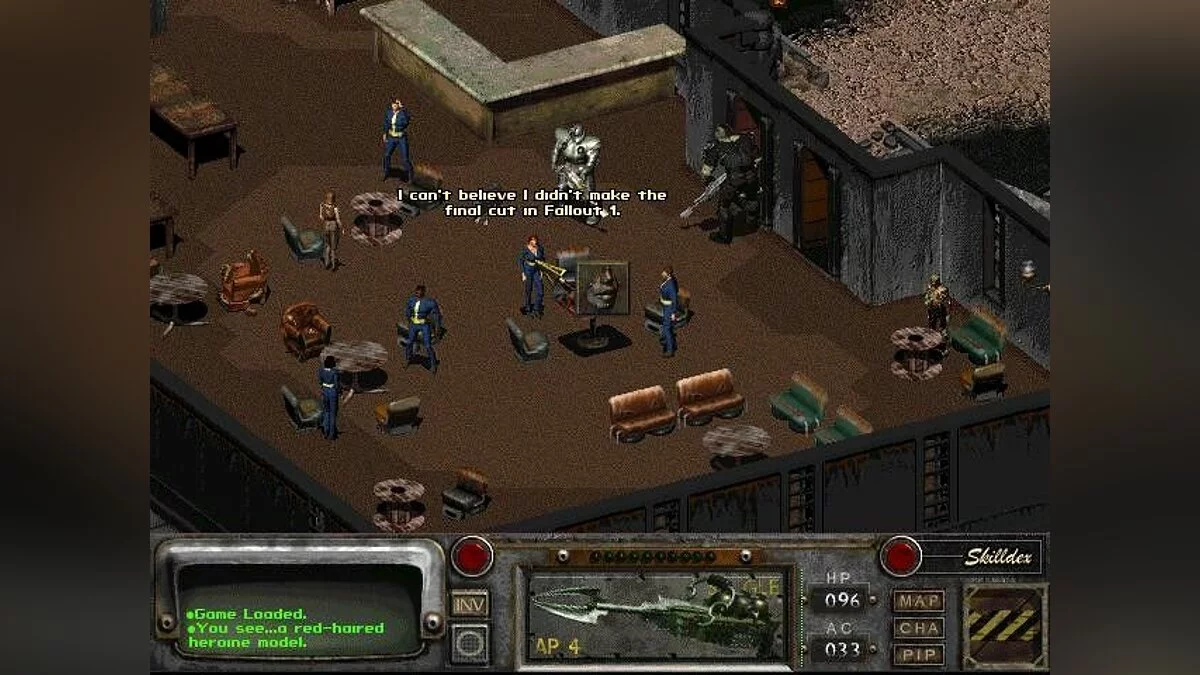
The second entry in the series is just as open as the first: after leaving Arroyo, Fallout 2 fully operates on the principle of “go wherever you want.” The game is so nonlinear that it can be completed in just a few hours if you know how. You just need knowledge of the map and the fact that many challenges can be solved with diplomacy or theft, bypassing entire storylines.
The Best Video Games: Lists and Selections
- TOP 50 open world games. You will definitely have something to do
- TOP 10 best animal partners in games: the deceased Dogmeat from Fallout, the Cheeseburger bear from Far Cry 5 and dragons in Skyrim
- Top 10 Games for Low-End PCs in 2024
- Top 30 Best Story-Driven Space Games for PC
- Top 15 Games Similar to Hogwarts Legacy
- Best Summer Games
- Best 2D Platformers
- Best Video Game Remakes and Remasters on PC and Consoles (Resident Evil 4, Dead Space, FF7 and More)
- Best Co-op Games 2026: Top Picks for PC, PS4, PS5 and Xbox
- Best Games for Steam Deck, Asus ROG Ally, Lenovo Legion Go in 2026
- Best RPGs
- Best First-Person Shooters: Top FPS games on PC, PS4, PS5, Xbox, and Switch
- Best Horror Games of All Time — Top Scary Games on PC, PS5, Xbox, and Nintendo Switch
- Best 4X and Grand Strategy Games
- The Most Beautiful Games with Ray Tracing
- DLCs and Expansions That Are Way Better Than the Base Game
- Best Short Games to Enjoy Over a Few Evenings
- Best Fighting Games
- Best Metroidvania Games
- The Most Promising Upcoming AA Games
- Best Tactical Games
- Best Extraction Shooters
- Best Nonlinear Games
- Mainline Silent Hill Games Ranked from Worst to Best
The Elder Scrolls 3: Morrowind
- Year: 2002;
- Platforms: PC, Xbox;
- Co-op: no.
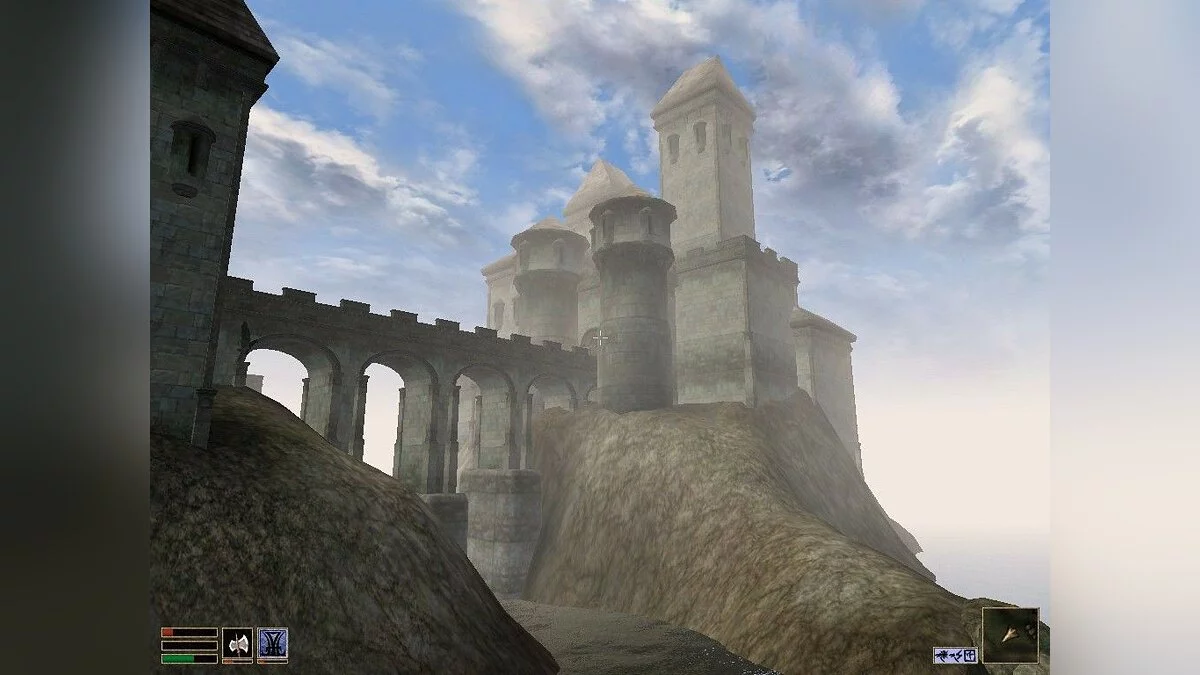
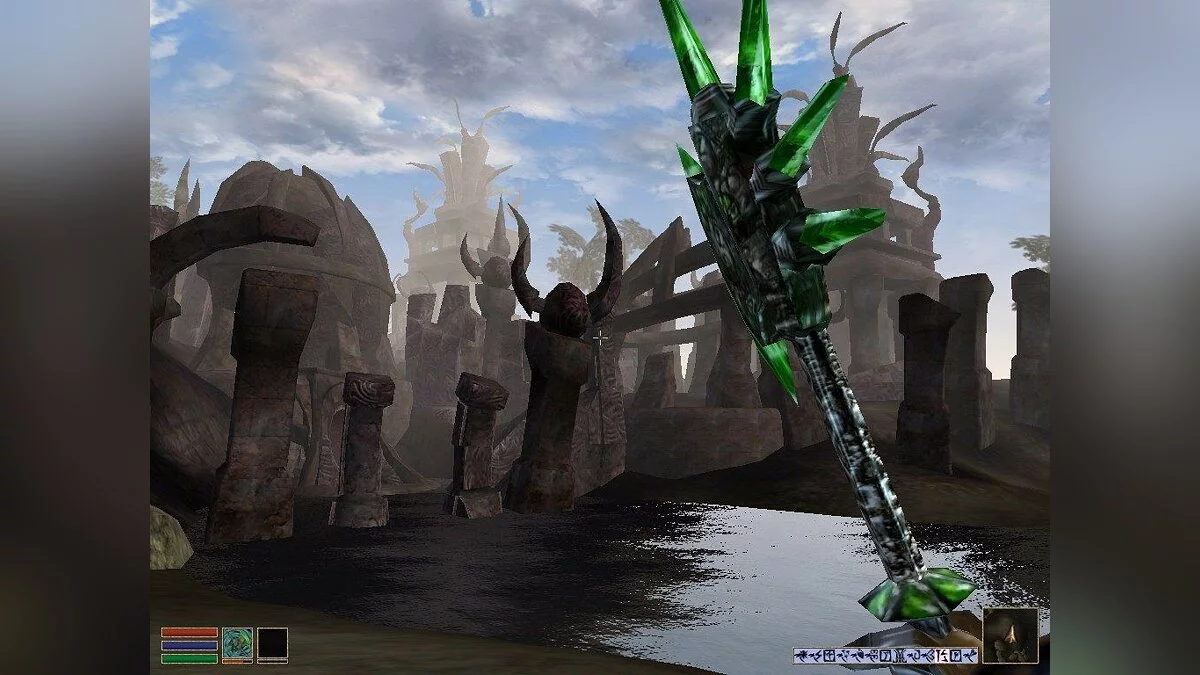
The third part of Bethesda’s cult franchise is like an “old-school Breath of the Wild.” In The Elder Scrolls 3: Morrowind no one burdens you with a map full of markers, and no compass hovers in front of you showing the way to your goal. The game trusts the player to figure things out for themselves. Sadly, this design approach is a rarity today.
Again, as with the previously mentioned projects, in Morrowind there are no barriers restricting story progression. You can kill the final boss almost right away if you know the path to Red Mountain and are properly prepared.
Modern nonlinear RPGs
Baldur's Gate 3

- Year: 2023;
- Platforms: PC, Mac, PlayStation 5, Xbox Series X/S;
- Co-op: yes (local and online, up to 4 players).
Baldur's Gate 3 offers a lot of freedom, even though the overall structure is fixed: there are three acts, they follow a clear sequence, and you can’t jump straight to the finale. Still, each act presents a large zone with multiple routes, secrets, and side quests, making every playthrough rarely the same as the previous one. Quests often have multiple solutions, conversations frequently affect mission outcomes, and the ending is shaped by dozens of choices made during the journey.
Metroidvanias with flexible progression order
Hollow Knight
- Year: 2017;
- Platforms: PC, PlayStation 4, Xbox One, Nintendo Switch;
- Co-op: no.
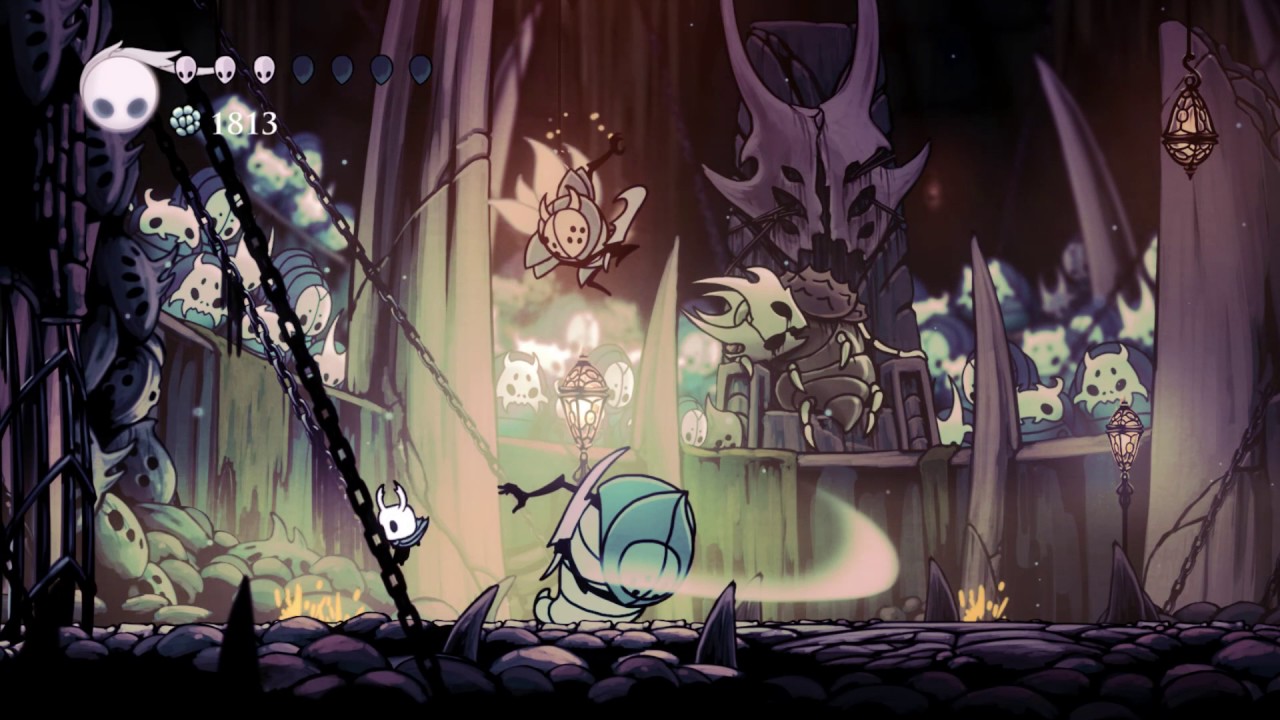
Nonlinearity is the cornerstone of the metroidvania genre. And the original Hollow Knight is a textbook example of how this element should be implemented.
The first three areas of the game are mostly completed in a sequential order, but after that it opens up. Almost all subsequent zones can be entered in multiple ways, and accordingly, new abilities can be acquired in any order. Interestingly, speedrunners have a list of essential items and skills that must be obtained to progress, and it’s surprisingly short — a definite plus.
Games where progression is driven by player knowledge
Outer Wilds

- Year: 2019;
- Platforms: PC, Xbox One, PlayStation 4, Nintendo Switch, PlayStation 5, Xbox Series X/S;
- Co-op: no.
In Outer Wilds the entire world is open from the start: you can just hop in your ship and fly to any planet. There are no barriers like mandatory upgrades: all the key items (spacesuit, jetpack, signal scope) are available right away. Instead, progression is tied to discovering information that reveals what you need to do to reach the finale. Once you know the correct sequence of actions, you can complete Outer Wilds in half an hour — or even faster.
Sandbox and survival games with an open structure
Subnautica

- Year: 2018;
- Platforms: PC, Mac, PlayStation 4, Xbox One, Nintendo Switch;
- Co-op: no.
One of the best survival sandboxes. At the beginning of Subnautica you have one goal — don’t die: you need food, drinking water, and oxygen. However, as the player starts building a base and unlocking new gear, a new key objective emerges — to escape the planet.
Clues on how to achieve this are scattered across the world, often in hard-to-reach locations. Such places are full of dangers, whether it’s high pressure, radiation, or terrifying predators of the deep. But all these obstacles can be overcome by creating specialized tools and new vehicles. The order of progression is determined by the player based on their own priorities.
Immersive sims with multiple ways to complete missions
Deus Ex
- Year: 2000;
- Platforms: Mac, PlayStation 2, PC;
- Co-op: no.
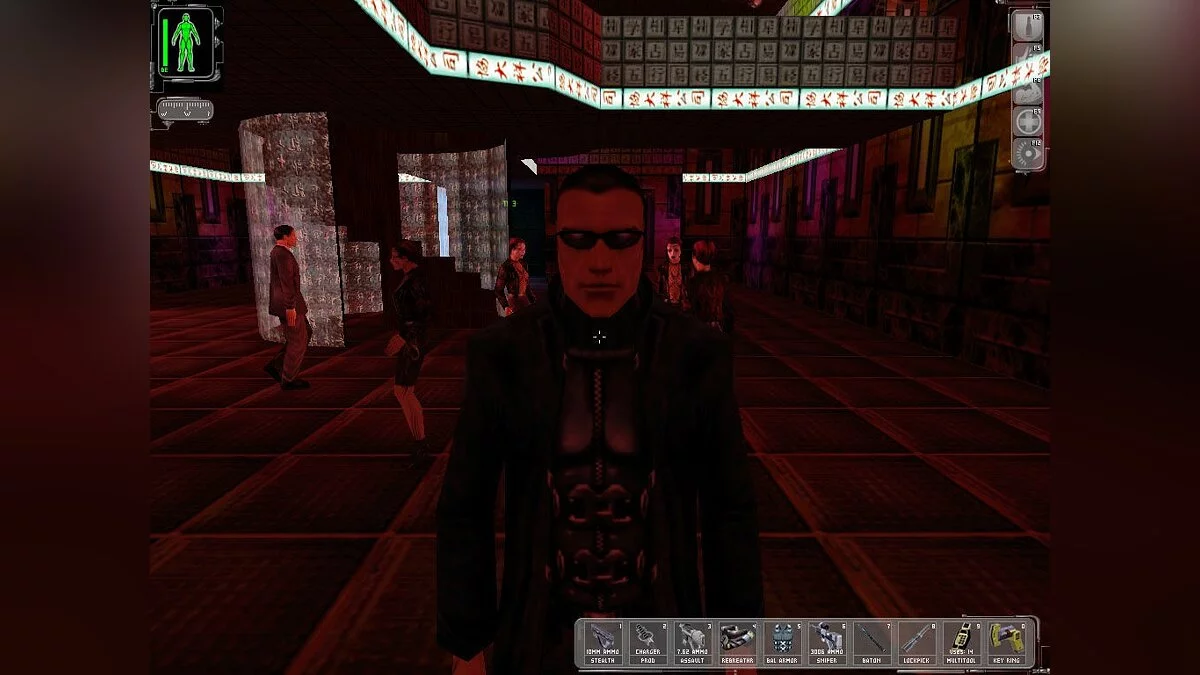
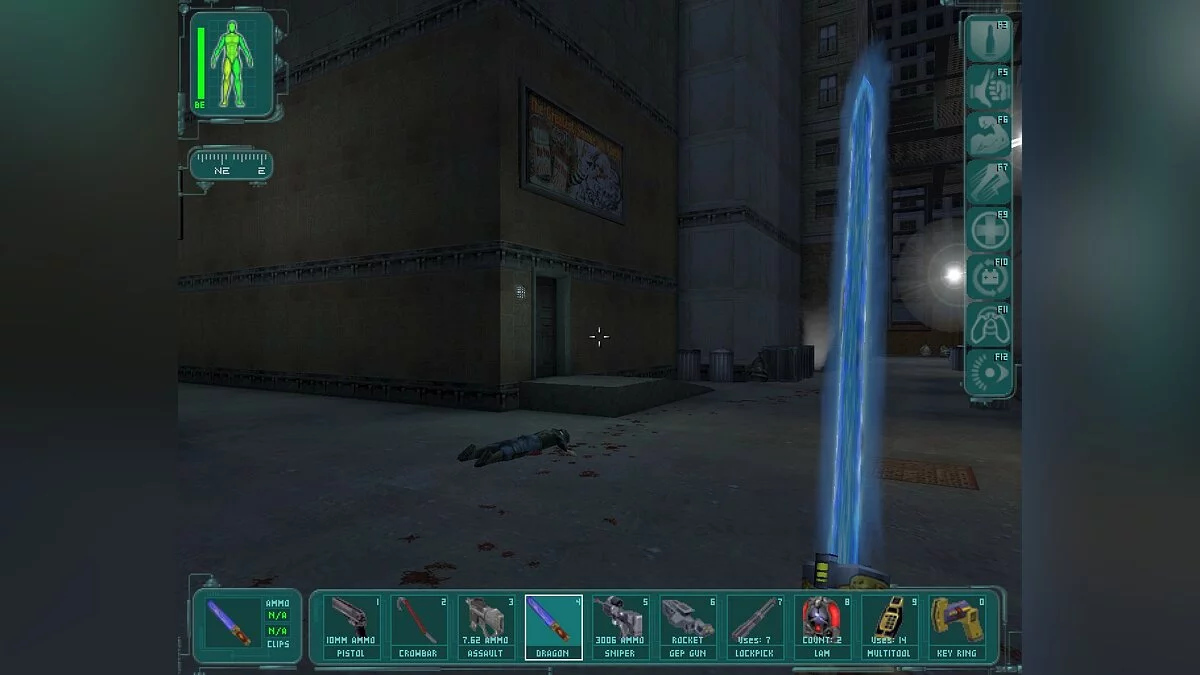
An example of “local” nonlinearity: in the first Deus Ex, the order of missions is set by the authors, but within each level the player gets full freedom in how to approach them.
Every mission is essentially a mini-sandbox with a wide range of options available to the player. You can turn Deus Ex into a shooter by storming enemies head-on, but it’s far more rewarding to approach problems methodically, exploring every corner and interacting with NPCs.
Need to infiltrate a lab? You can bribe a guard or hack terminals to disable cameras. Need to take down terrorists with minimal risk? Then it’s time to use stealth or reprogram turrets against your foes. The player is limited only by imagination, not by gameplay mechanics.
***
And what about you? Which games stood out to you for their nonlinearity? Share your thoughts in the comments.
How much do you value nonlinearity in games?