Diablo 4
Add to My games




A role-playing slasher/action game with an isometric third-person camera, a service game, and an online looter. It brings back classic elements of the Diablo series... Read more
All languages (14)
English: interface, subtitles, audio
Español: interface, subtitles, audio
Español (Latinoamérica): interface, subtitles, audio
Français: interface, subtitles, audio
Italiano: interface, subtitles, audio
日本語: interface, subtitles, audio
한국어: interface, subtitles, audio
Polski: interface, subtitles, audio
Português (Brasil): interface, subtitles, audio
Русский: interface, subtitles, audio
简体中文: interface, subtitles, audio
繁體中文: interface, subtitles, audio
Türkçe: interface, subtitles
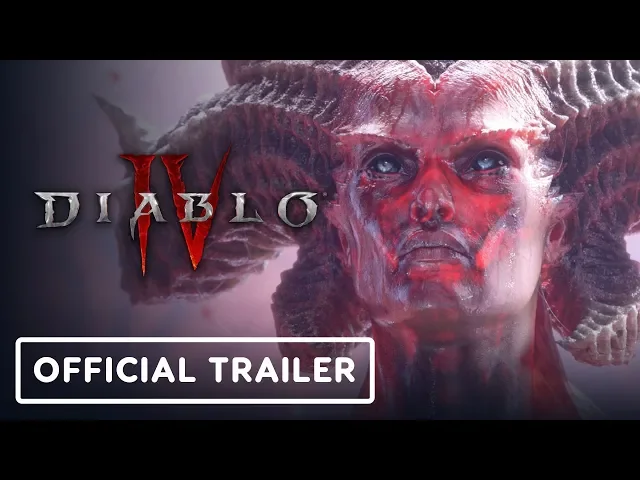
A role-playing slasher/action game with an isometric third-person camera, a service game, and an online looter. It brings back classic elements of the Diablo series — a dark visual style, sound design, an engaging grind for gear in hundreds of dungeons and fortresses, and unchanged character builds — while introducing innovations such as a fully open world, world events and bosses, and player-versus-player battles.
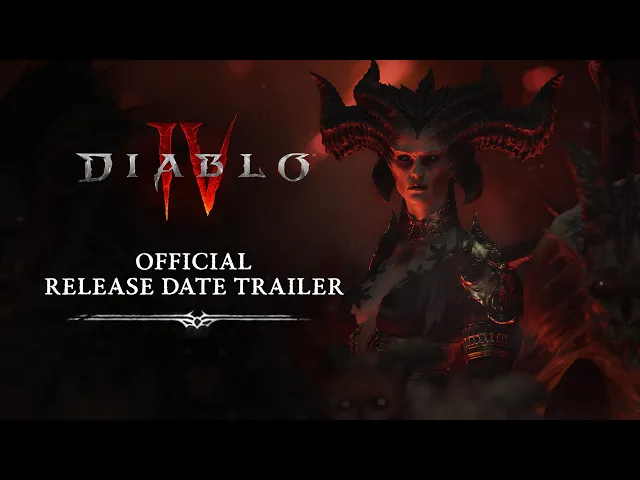
Fifty years have passed since the end of Diablo 3: Reaper of Souls, but Sanctuary has yet to recover from the annihilation of half of humanity by the angel Malthael. By chance, Lilith has returned — the demoness of succubi and daughter of Mephisto, plunging the world into even greater decline and despair. Her influence is felt everywhere — she breeds hopelessness in the minds of people and awakens the darkest feelings in their hearts. Only a brave nephalem hero can reclaim Sanctuary from the hordes of Lilith's monsters, the daughter of the demon of Hatred Mephisto, embodying all the evil and cruel aspects of humanity, which is on the verge of being reborn.
The backstory of the game world

Diablo 4 revealed many details about the creation of Sanctuary. Long ago, an endless war raged between Heaven and Hell. Some participants understood its futility. The archangel Inarius and the demoness Lilith gathered followers of dissent, stole the Worldstone, and created a new world — Sanctuary. It became a quiet haven, peaceful from endless discord and war, hidden from the gaze of powerful forces.
From the union of good and evil, nephalems emerged — unprecedented beings capable of rivaling anyone with their power. Fearing the loss of power or the revelation of Sanctuary, its lord Inarius, along with his allies, decided to destroy the nephalems. Lilith opposed this, and a war reignited between angels and demons. Inarius won and imprisoned Lilith outside the world, while the Worldstone was altered so that the nephalems slowly weakened until they turned into ordinary mortals who populated Sanctuary.
The peace did not last long — when this secluded refuge was discovered in Heaven and Hell, a prolonged Sin War broke out, in which both sides tried to annihilate humanity. Sanctuary endured, but its protector Inarius was captured by one of the Prime Evils — Mephisto, while Heaven and Hell continued to secretly influence the inhabitants, setting off a chain of events in Diablo.
From Diablo 3 to Diablo 4

Over the past fifty years, several significant events have occurred. Inarius freed himself from Mephisto's captivity and returned to the mortal realm, where he led the Cathedral of Light — a religious movement aimed at protecting the minds of mortals from the influence of evil and demons, and also gathered a personal army of the Penitent Knights. Trained in combat and magical skills, they are capable of driving out the forces of evil with fire and sword.
The Trinity of Prime Evils has not yet fully restored itself in Hell, but has partially regained its essence. Part of the storyline will take place alongside a black wolf — the form Mephisto has taken. The order of the Horadrim, which stood against Evil, has fallen apart, Tyrael has left Sanctuary, and without his leadership, no new recruits are being gathered. The Horadrim that players remember or will meet have become frail old men.
The world of mortals is teeming with monsters, undead, and demons, but even without them, humanity is struggling. By the time Diablo 4 begins, the world of humans has fallen into complete decline, and life for people only vaguely resembles the old days. The confrontation between the returning Inarius and Lilith is inevitable. Sanctuary stands on the brink of total destruction, and only the awakening of the nephalem can protect it.
Plot

The story starts with a small prologue, where the player sees firsthand that their main task is to destroy Lilith, whose demonic influence seems to have engulfed the entire world. Seeking support, the hero finds Inarius, but the archangel lord rejects the help of some nameless hero. He then encounters Lilith, but opposing the mother of Sanctuary is not so easy. In the end, Inarius and Lilith find each other, but with the help of Mephisto, the hero eliminates the threat they pose.
The writers of Diablo 4 have delivered a story that is not as simple as it first seems. The narrative is still linear from start to finish, but it is well-crafted, capable of engaging the player, and filled with vivid characters. There are many of them, almost all with backstories, motivations, and roles in the plot, and some grow as individuals throughout the game. Despair has become the main theme of the narrative. From time to time, unexpected twists occur, and the most significant ones change the perception of what is happening.
The world of characters is revealed through staged scenes on the engine with numerous dialogues (there is no full dialogue system) and high-quality CGI cutscenes, while the music adds emotion. The pace of the plot slows down while the hero runs back and forth on the main quests, but it is picked up by multilayered side quests that are well-developed and connected to the main story or lore, mentioning other characters or previously completed tasks. However, this does not apply to a considerable number of other activities on the map.
Game World

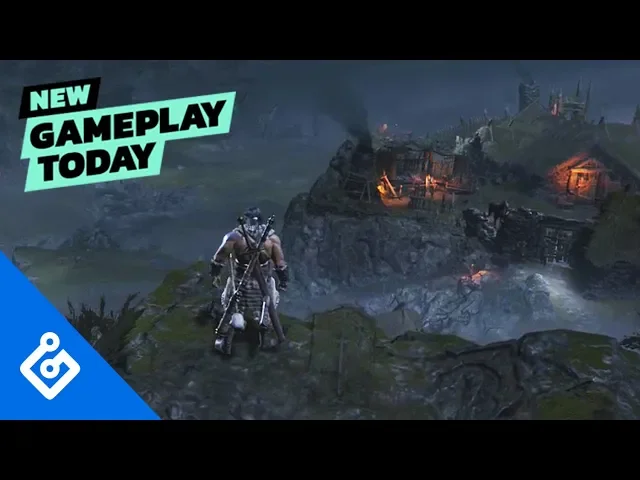
Diablo 4 features a vast, almost seamless open world made up of 5 unique biomes, differing in landscape, style, and enemy roster:
- Kedjistan — a territory buried under sand dunes with oases, still recovering from numerous demon invasions. Alkharn and Caldeum from Diablo 3 were part of it, but now it has shrunk to the Borderlands. Here, a civilization once thrived, now lying in ruins, while bandits, Trinity cultists, and scorpions roam the area;
- Scosglen — a picturesque but rainy corner of Sanctuary, will delight lovers of rolling hills and forests constantly shrouded in mist. The places are wild and unspoiled by man. Home to the Penitent Knights and druids, as well as many drowners, werewolves, and giant spiders;
- The Blighted Steppes — a war-ravaged territory consisting of canyons and meadows. Only the most ruthless and desperate live here, and not long ago, the tribes of barbarians joined them. Many willingly give themselves to demons, becoming cannibals, blood mages, and simply highway robbers;
- The Shattered Peaks — a snowy mountain region where people tightly close their doors at night, fearing deadly creatures — both animals and demonic beings. Travelers avoid these places, and help can only be found from local monks of the Cathedral of Light in exchange for their freedom. Here stands Kyovashad — the largest city on the map with all activities;
- Havezar — a region filled with poisonous swamps, toxic flora and fauna that bring disaster to all explorers. Swamp witches, mud golems, decaying walkers, anthropomorphic snakes, man-eating plants, and other disgusting enemies have not prevented a group of crusaders from the Zakarum Order from settling here.
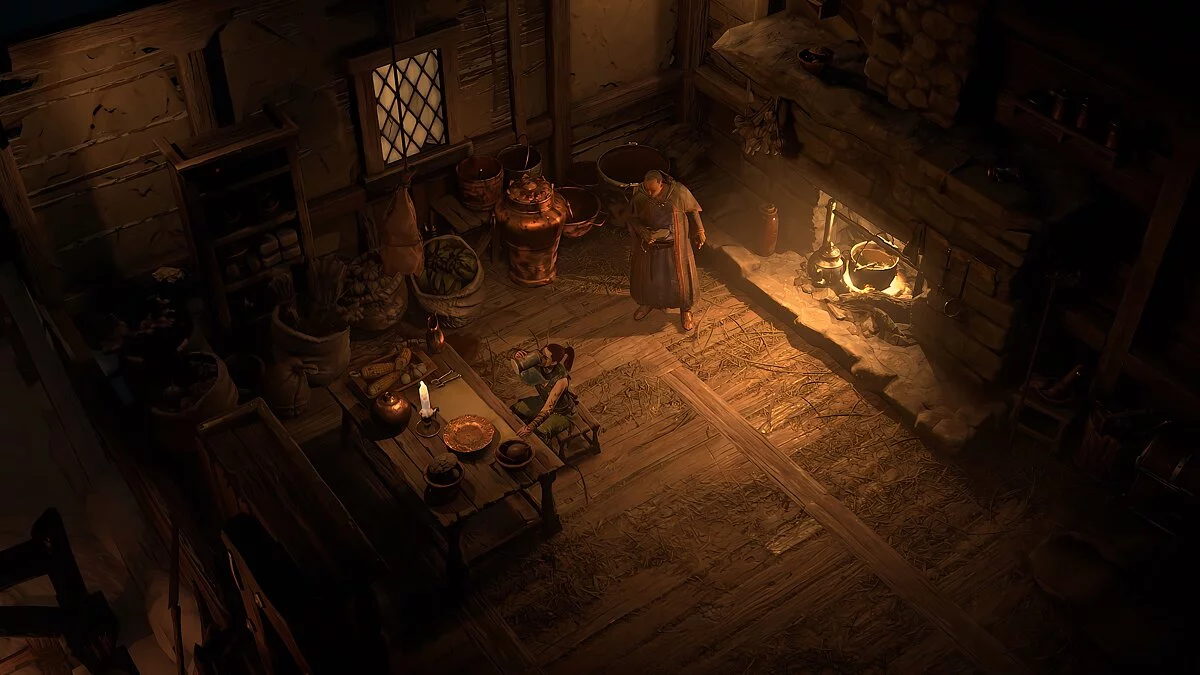
The game world is well-developed, filled with numerous objects and destructible elements, and the cities and storyline locations have received the best detail, including objects and interiors. It is so large that a pet is needed for movement. Fast travel has been removed, leaving travel points in cities and key locations, meaning over significant distances. To reach dungeons and other activities — on foot or by mount.
There are hundreds of dungeons and catacombs, each assembled differently (except for storyline ones), several cities, and small settlements. There are references to events from previous games everywhere, ruins and relics that echo past battles.
The open world of Diablo 4 is divided into regions according to the acts of the story, and immediately after the prologue, it is open for free play, allowing you to head to Skosglen or the Scorched Steppes. It is impossible to completely avoid the campaign, which consists of 5 acts and a prologue; the game will force you to go through the main plot points one way or another. As before, the storyline campaign is merely a kind of prologue to the main game, namely seasonal events, world bosses, and cool endgame rewards.
Gameplay

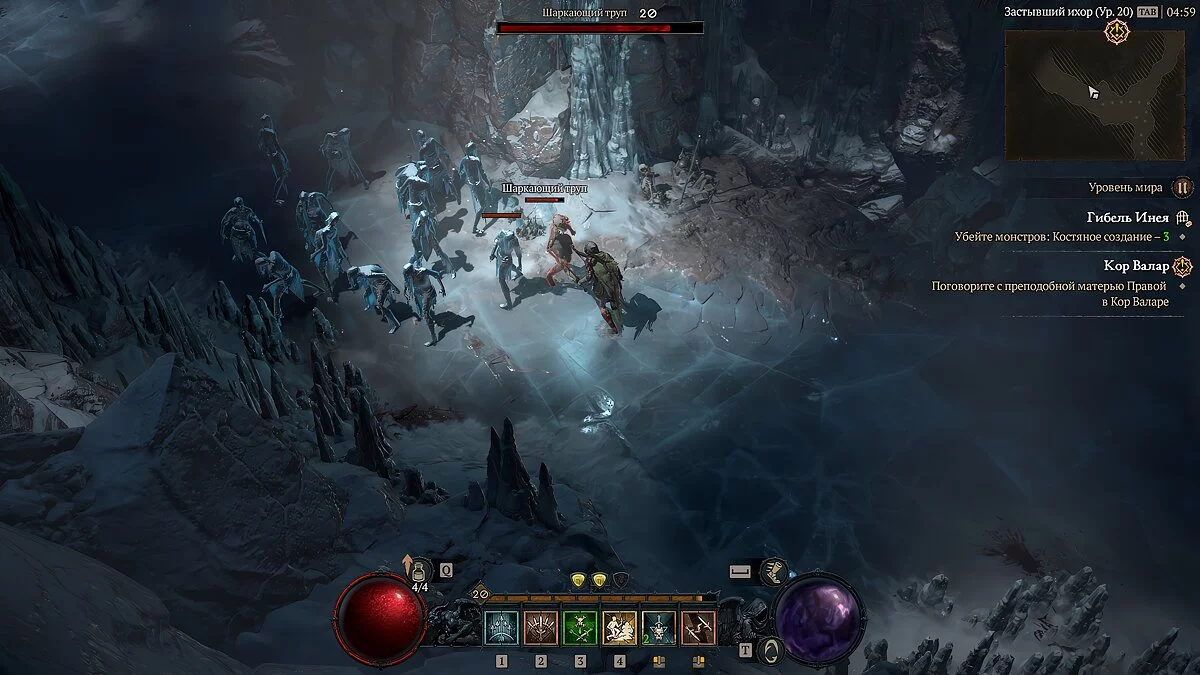
The famous "Diablo formula" still works: we run around the world, slicing up foes, keeping an eye on health, fury, or mana, collecting the gear that drops from them, making the hero even stronger. The experience points we gain along the way are spent on active abilities and passive perks. The game features dozens of hero parameters, interconnected with abilities and gear items, their quality and upgrade level: base stats, main and critical damage, primary and secondary defense, numerous buffs and debuffs, chances for various types of damage, bonuses to damage from different sources — bleeding, fire, and poison, among other factors.
There are indeed some innovations that cannot be overlooked. A "dodge" feature has appeared, allowing you to jump to the side without the need to frantically move the mouse. A "lucky hit" will grant a bonus to the damage of a basic attack or ability, or extend its effect. "Overwhelming damage" crushes the enemy with bonus damage beyond the base attack. "Fortification" accumulates on top of health and reduces all incoming damage, while "Barrier" absorbs it, preventing health from depleting too early.
All this creates a huge space for build creation, allowing the character to be customized for different play styles and tactics. For the first time in the series, Diablo 4 allows the simultaneous use of multiple builds, automatically switching between them upon using a skill. Thus, after chopping down enemies with a dagger or sword, one can immediately switch to a bow or crossbow, starting to use the skill tied to them. This allows adaptation to any combat situations and changing the fighting style depending on the enemies and weapons in the set.
Compared to previous games in the series, Diablo 4 has many minor changes: a weather system that turns the world into impassable mud; a compact inventory that sums up all units of weapons and armor into just one slot; a reduced pace of combat compared to Diablo 2 ; new types of items and updated old ones; more deadly bosses capable of slowing down and stunning heroes.
Characters and their development

- The Barbarian — a storm of spinning weapons of all kinds — from two-handed axes to huge two-handed hammers. With his abilities, he deals damage to surrounding enemies and enhances physical attacks. A "Tank" that withstands large damage thanks to his health pool;
- The Sorceress — uses a tactical approach to combat, attacking from a distance with a magical staff, and her abilities are formed from three schools — fire, cold, and lightning. A "DPS" ready to wipe out a crowd of enemies with a mere flick of the lips. Or control it, making it useful in delicate situations;
- The Rogue — a versatile character, capable of being both a "DPS" and a second-line fighter (archer). First gaining an advantage in battle through various traps and tricks, he later deals with enemies using both melee and ranged weapons;
- The Druid — a long-awaited return since Diablo 2, with a new design and set of magical skills. Uses transformation magic, turning into a werewolf or bear, and also summons animal companions, forming tornadoes and storms. This makes him both a good "tank" and a decent "DPS";
- The Necromancer — a master of dark magic, mixed with bones and blood, who resurrects the dead and uses the power of death to deal damage. Even large crowds of enemies are easily torn apart.
Each class in Diablo 4 has a unique mechanic unlocked after reaching a certain level, such as the "Book of the Dead" for the Necromancer or "Arsenal" for the Barbarian. When creating a character at the start of a new game, you can edit their appearance in the editor (body shape, facial features, hairstyles, tattoos, and more).
" Main characteristics include Strength, Dexterity, Intelligence, and Will, and they automatically grow with the character's level (up to level 50), affecting all aspects. After reaching level 50, players start earning Paragon points and filling the Paragon board.
The skill tree is divided into 7 clusters. Initially, basic skills and their upgrades are available. As more points are invested in the tree, a cluster with core skills and their upgrades, as well as defensive perks, opens up. After that, unique class abilities and mastery skills can be unlocked, which will enhance specific characteristics of the hero. By investing 23 and 33 points, the player will gain access to ultimate skills and key passive abilities. Depending on how they spend their upgrade points, various character builds emerge, but the hero can be reset at any time.
Single-player and multiplayer game

Diablo 4 has acquired all the features of service games, combining proven elements from Diablo 3 and MMORPGs, and still does not work without a constant internet connection. All activities and content in it are interconnected both with each other and with single-player and multiplayer ways of playing.
- Seasons. A thematic event lasting several months, offering a new storyline and quests, new items and weapon/armor sets, significant gameplay and balance updates, and a unique but temporary gameplay feature. In the first season, it was "plague," and in the second - "blood." Players start from scratch and on equal terms, creating a seasonal hero in the seasonal world. They then need to complete seasonal events and earn levels, and at the end, all collected loot will be transferred to the main game;
- Seasonal (battle) pass. Divided into free and premium levels, each level grants access to new content, and as a reward for completing it, players receive cosmetic items for their character, special crafting resources, and in-game currency;
- The Paragon system from Diablo 3 has moved over for endgame content. For each character level after level 60, a power point is awarded, which can be spent on enhancing characteristics in one of four categories;
- Live events. Extremely time-limited activities in the format of "battle with a new boss" or "arrival of a merchant with unique items." There are also more extended events with full-fledged online activities;
- Like in any other MMO, Diablo 4 offers the ability to form clans, where social features are already in place;
- Item shop. The character can be further customized with paid skins.
You can complete the campaign, explore the world, capture fortresses, and clear dungeons of monsters alone. The same activities are being carried out by 6 to 8 other players in the game world, and you can cross paths with them on the map. In cities, the number can reach up to 20: they have become hub locations for social activities — finding companions and exchanging items. Actively interacting is not necessary if you don't want to; the gameplay, while focused on cooperative actions, does not pressure you into it.
Story events, fortresses, and dungeons are private, meaning they are intended only for the player (if playing solo) or their group (in cooperative mode). This is how Blizzard preserves the individual experience of story progression and protects it from random players. Network events, such as battles with world bosses, are designed for a squad of up to 12 players and take place in separate PvE and PvP zones on the world map. They are known as "Fields of Hatred," identifiable by the change in picturesque visuals to a light red hue. Those wishing to fight each other must mark themselves with blood. Otherwise, you can engage in PvE.
Over several years of development, Diablo 4 has received dozens of updates, adding new regions, acts of the main story, seasonal stories, characters, gameplay features, numerous and diverse activities, elements, and individual game mechanics. It makes no sense to list all the online activities and endgame content — the game offers hundreds and even thousands of hours of engaging gameplay.
Store Offers and Discounts
![Diablo IV (Xbox Series X) [Europe] [Standard]](https://files.vgtimes.com/si/shop_126845828.webp)
![Diablo IV (Xbox Series X) [EUROPE] [Standard]](https://files.vgtimes.com/si/shop_194646710.webp)
![Diablo IV (Xbox Series X) [United States] [Standard]](https://files.vgtimes.com/si/shop_197032537.webp)
![Diablo IV (Xbox Series X) [United Kingdom] [Deluxe Edition]](https://files.vgtimes.com/si/shop_197032538.webp)
![Diablo IV (Xbox Series X) [Global] [Standard]](https://files.vgtimes.com/si/shop_122463910.webp)
![Diablo IV Age of Hatred Collection (Nintendo Switch 2) [Europe] [Standard]](https://files.vgtimes.com/si/shop_194983808.webp)
System requirements and PC test
- Windows 7
- CPU: Intel Core i5-2500K
- RAM: 8 GB
- Free Space: 90 GB
- VRAM: 2 GB
- Video Card: GeForce GTX 660; Intel Arc A380; Radeon R9 280
- Windows 10 64-bit
- CPU: Intel Core i5-4670K
- RAM: 16 GB
- Free Space: 90 GB
- VRAM: 4 GB
- Video Card: GeForce GTX 970; Intel Arc A750; Radeon RX 470
![Cheat Engine Table [UPD: 22.11.2023]](https://files.vgtimes.com/download/posts/2023-11/thumbs/tablica-dlja-cheat-engine-upd-22-11-2023_1700816409_72064.webp)
![Cheat Engine Table [1.3.1.49495]](https://files.vgtimes.com/download/posts/2024-02/thumbs/tablica-dlja-cheat-engine-1-3-1-49495_1707039991_274471.webp)
![Cheat Engine Table [UPD: 11.08.2023]](https://files.vgtimes.com/download/posts/2023-08/thumbs/tablica-dlja-cheat-engine-upd-11-08-2023_1692352118_654643.webp)
![Cheat Engine Table [UPD: 14.06.2023]](https://files.vgtimes.com/download/posts/2023-07/thumbs/tablica-dlja-cheat-engine-upd-14-06-2023_1688496104_921324.webp)
Reviews and ratings

The game would be suitable in 2017 to replace D3. Excellent level design, updated graphics... But now it's just an outright rip-off. Nothing new, old engine, absolutely stupid plot, useless missions like collect 30 monster parts, just useless cut scenes... just wow! With what ecstasy I played in D2, with what skepticism, but forgiving, I played in D3, but now my friends have finally given up on themselves - no soul, no idea, no pity for the players. We remember, we mourn
Игра бы подошла этак в 2017 на смену Д3. Отличный дизайн уровней, обновлённая графа... Но сейчас это просто откровенное обдиралово. Ничего нового, старый движок, абсолютно тупой сюжет, никчёмные миссии по типу собери 30 частей монстров, просто никудышные кат сцены... просто фу! С каким упоением я играл во Д2, с каким скепсисом, но прощая я играл в Д3, но щас близы окончательно поставили на себе крест- ни души, ни идеи, ни жалости к игрокам. Помним, скорбим

They made a complete crap out of Diablo! There is no point in playing Diablo 3 after completing the ENT, and Diablo 4 does not have it as such. I went lvl 1 and went up to 50-60 without even going through Act 1, I just ran through the dungeons, and then flew through the story without understanding what the new developers had done! Gameplay is worse than D3; the idea of seasonal “UPDATES” of content was dropped from the POE game, even the leveling branch is the same (not much changed). The conclusion is this:
I didn’t understand the story
It’s not clear what to do in the game, if you just take lvl 100 it’s easy!
poor random, poor NPCs, poor gameplay
Сделали полную херовину из Диабло! В диабло 3 уже нету смысла играть после прохождения ЛОР, а диабло 4 его как такового нету. Я зашел 1 лвл апнул 50-60 не проходя даже 1 акт, просто бежал подземелья, а потом пролетел историю, так и не поняв, что сделали нового разрабы! Гемплей хуже чем у Д3; идею сезонных "ОБНОЛЕНИЙ" контента свиснули у игры POE, даже ветка прокачки та же(не много изменена). Вывод таков:
Историю не понял
Что делать в игре не понятно, если просто взять 100 лвл то это легко!
рандом убогий, нпс убогие, геймплей убогий

terrible support. constant lags and crashes from the game. impossible to play normally. I wrote to support, but there were no changes. I'm a fan of the Diablo series of games. and was looking forward to the new part. In the end I was very disappointed. Not one of the parts had such terrible problems with the game.
ужасная поддержка. постоянные лаги и вылеты из игры. невозможно нормально играть. писал в поддержку, не каких изменений не последовало. я фанат серии игр диабло. и с нетерпением ждал новой части. по итогу оказался сильно разочарован. не в одной из частей не было таких ужасных проблем с игрой.

The advantages are beautiful graphics, all kinds of gaming activities, Russian localization, interesting quests.
Of the minuses, boss fights are boring, the damage to enemies doesn’t feel like some kind of mobile phone, uvarot (roll) with cooldown.
Из плюсов красивая графика, всевозможные игровые вктивности, русская локализация,интересные квесты.
Из минусов скучные бои с боссами, урон по врагам не чувствуется будто какае-то мобилка, уварот (перекат) с перезарядкой.

A complete disappointment, especially compared to the third part. Constantly lags, it is not possible to play, the plot, events, maps are not much different from the previous part, as if I like it, but nothing new (((((
Суцільне розчарування, особливо порівняно з третьою частиною. Постійно лагає, не можливо грати, сюжет, події, карти не сильно відрізняється від минулої частини, наче і подобається таке але нічого нового (((((
News
-
 "Any challenge can be overcome with the right build": Diablo 5's game director promises a return to Diablo 2's spirit
 -
 Why The Witcher 3 Has No Diablo Crossover Content, CD Projekt Red Explains
 -
 Blizzard Apologizes for Diablo IV Season 15 Issues and Gives Some Players a Rare Resource
 -
 Diablo 5 will take a different approach to monster leveling — Blizzard wants to restore the feeling of growing power
 -
 “We Needed to Give Him His Own Game”: Blizzard Explains Why Diablo 5 Isn't a Diablo 4 Expansion
 -
 Diablo 4 Becomes Temporarily Free on Steam
 -
 Diablo IV season brings back classic legends as Blizzard fixes login issues
 -
 Diablo IV preload 2.18/1.118 arrives ahead of Season of Hell's Legacy
 -
 Cyberpunk 2077 Is Coming to Battle.net Along With Its Expansion — Release Date to Be Announced Later
 -
+ 63 news