Best City-Building Simulators — 35 Picks
 Marat Usupov
We've compiled the best city-building simulators on PC — from proven classics to the latest releases of 2025–2026. The genre has long outgrown the familiar metropolis format of SimCity: today you can manage an island economy, survive a glacial apocalypse, build a medieval village from scratch, or automate production on an alien planet. This selection covers games for different skill levels and different moods: from relaxed building without pressure to hardcore simulators where one planning mistake destroys everything you've built.
New City-Building Simulators 2024–2026
The city-building genre is experiencing a true renaissance: over the past two years, several major releases have come out that have reimagined familiar mechanics. Cities: Skylines 2 offered a new level of metropolis simulation, Frostpunk 2 added a political dimension to survival, and Anno 117 brought the series back to a historical setting with grand ambition. If you don't know where to start — start here: these games are shaping the face of the modern genre.
Cities: Skylines 2
The long-awaited sequel to the defining city-building simulator of the last decade. Cities: Skylines 2 builds on the original's foundations: more realistic traffic and economy simulation, an improved zoning editor, and out-of-the-box mod support. Cities can now grow to the scale of real megacities without the technical limitations of the first game. The launch was rough, but patches in 2024–2025 brought the game into excellent shape.
Frostpunk 2
The sequel to the cult survival strategy moves the action 30 years forward: the glacial apocalypse continues, but now you're managing not a small town but an entire civilization. Frostpunk 2 places its bets on politics and social conflict — citizen factions have different ideologies and demands, and pleasing everyone simultaneously is nearly impossible. One of the best city-builders of 2024 according to most critics.
Anno 117: Pax Romana
The biggest release in the Anno series in years — and one of the leading city-builders of 2025. Anno 117: Pax Romana takes the action to the era of the Roman Empire under Emperor Trajan: you build provincial cities, manage trade routes, and balance the interests of Romans and local inhabitants. The Anno series has long been the benchmark for economic depth in the genre, and this entry stays true to that tradition.
Manor Lords
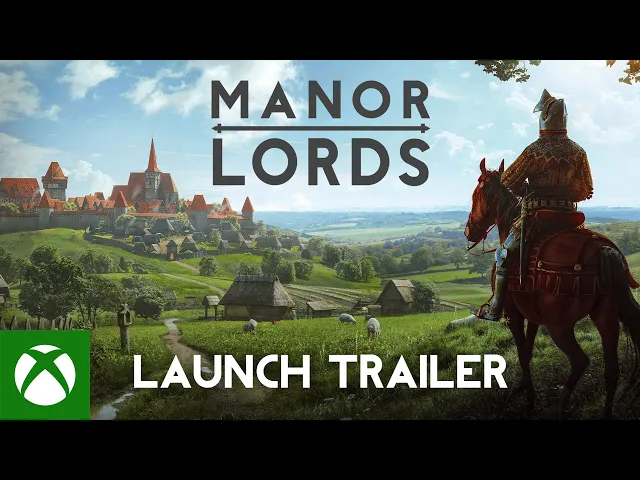
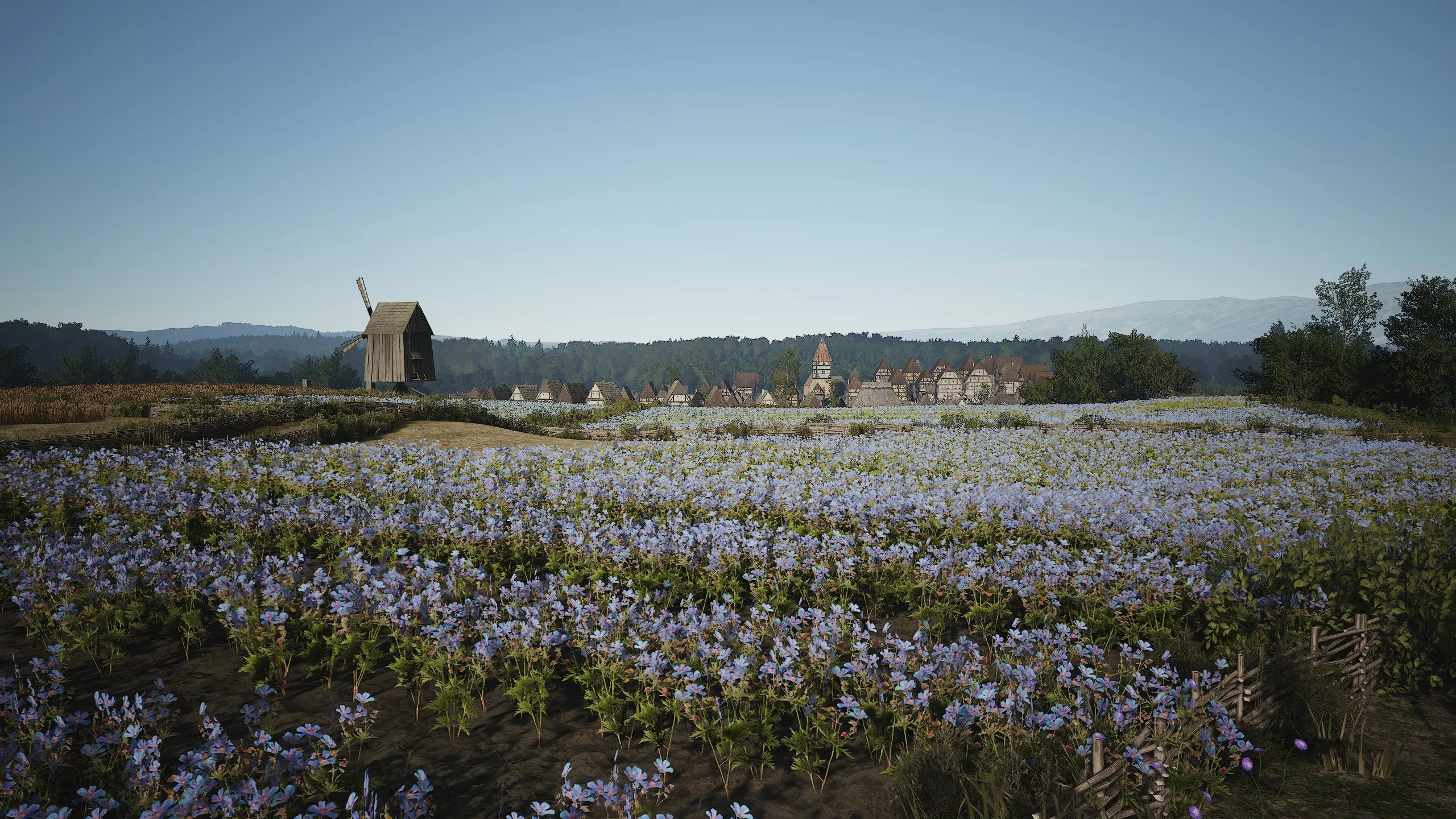
If you're interested in building medieval settlements with real-time tactical battles, set in a historically grounded context, then Manor Lords is for you. The game takes place in a fictional 14th-century Europe, where the player takes on the role of a feudal lord responsible for village development, resource management, taxation, and defense against enemies. Unlike typical genre entries, Manor Lords emphasizes realism: there is no building grid, building and economy models are inspired by historical sources, and logistics is a crucial part of gameplay. Despite its early access status, the project has generated enormous interest and is considered one of the most promising in the genre thanks to its depth, visual polish, and ambitious integration of strategic and city-building elements.
What kind of city-building games do you prefer?
Nova Roma
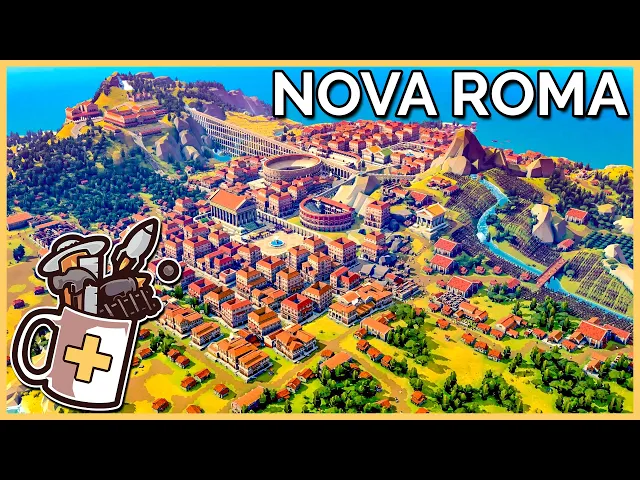
One of the major city-building releases of 2026, from the creators of Kingdoms and Castles and published by Hooded Horse. Nova Roma takes the player back to Ancient Rome, where you must not only build production chains and manage logistics, but also keep the gods happy — they watch over the city and are ready to punish poor decisions with lightning or floods. The game launched in Early Access in March 2026 with an "Overwhelmingly Positive" rating (96%) on Steam, and already offers rich gameplay featuring water resource management, aqueduct construction, and a system of laws and politics.
A distinct subgenre where building is merely a means of survival. If the theme appeals to you, check out our list of best survival games on PC. Resource scarcity, catastrophic conditions, and the constant threat of death make every decision vital. These games are for those who want not just to build, but to fight for survival.
Medieval and Settlement Strategies
The medieval setting is one of the most popular in the city-builder genre, and for good reason: harsh living conditions, limited resources, and the threat of famine or raids create constant tension. There are no ready-made solutions here — every settlement must be built from the ground up, with careful attention to the balance of food, firewood, and labor. Some games focus on realism and survival (Banished, Farthest Frontier), others on city-building strategy with roguelite elements (Against the Storm). Choose according to your mood.
Banished
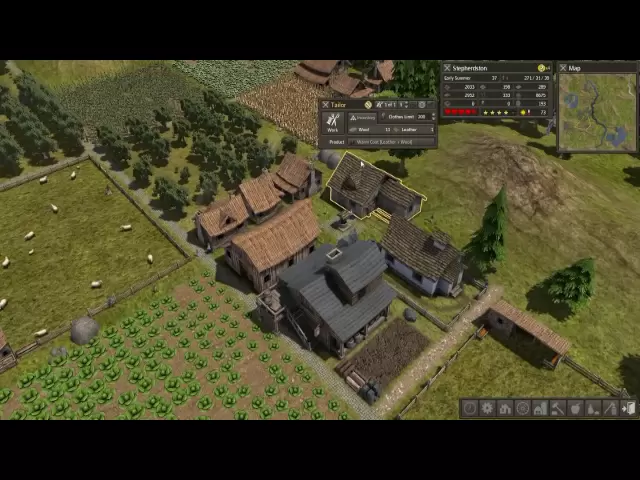
A minimalist survival simulator of a medieval village, with an emphasis on logistics, resources, and demographics — with no combat elements. The game earned recognition for the rigor and transparency of its economy, as well as for the atmosphere of a difficult but honest survival experience. Even in 2025, Banished remains the benchmark for "small-scale" city-building and is well suited for calm but thoughtful gameplay.
Which economic model is the most fascinating?
Farthest Frontier
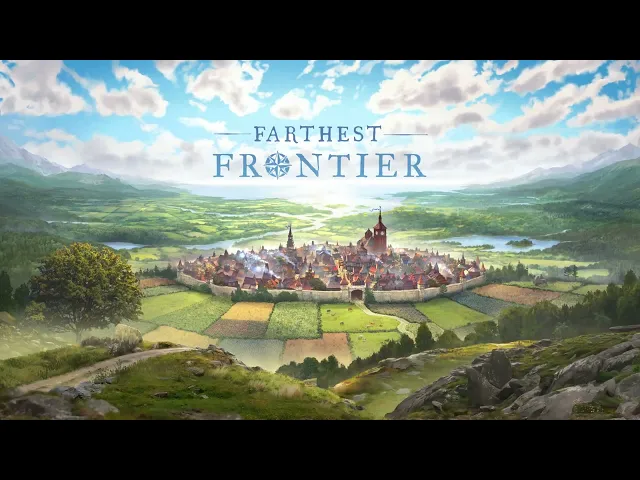
If you're looking for deeper gameplay in a historical medieval setting, give Farthest Frontier a try. The player must develop a settlement while contending with diseases, famine, changing seasons, and marauder attacks. The gameplay emphasizes agrarian economics and deeply developed production chains. The game stands out for its high level of simulation detail: residents' health, crop yields, sanitary conditions, and climate features directly affect development. Despite its early access status, the project is actively updated and already offers rich and well-designed gameplay, earning high ratings on Steam.
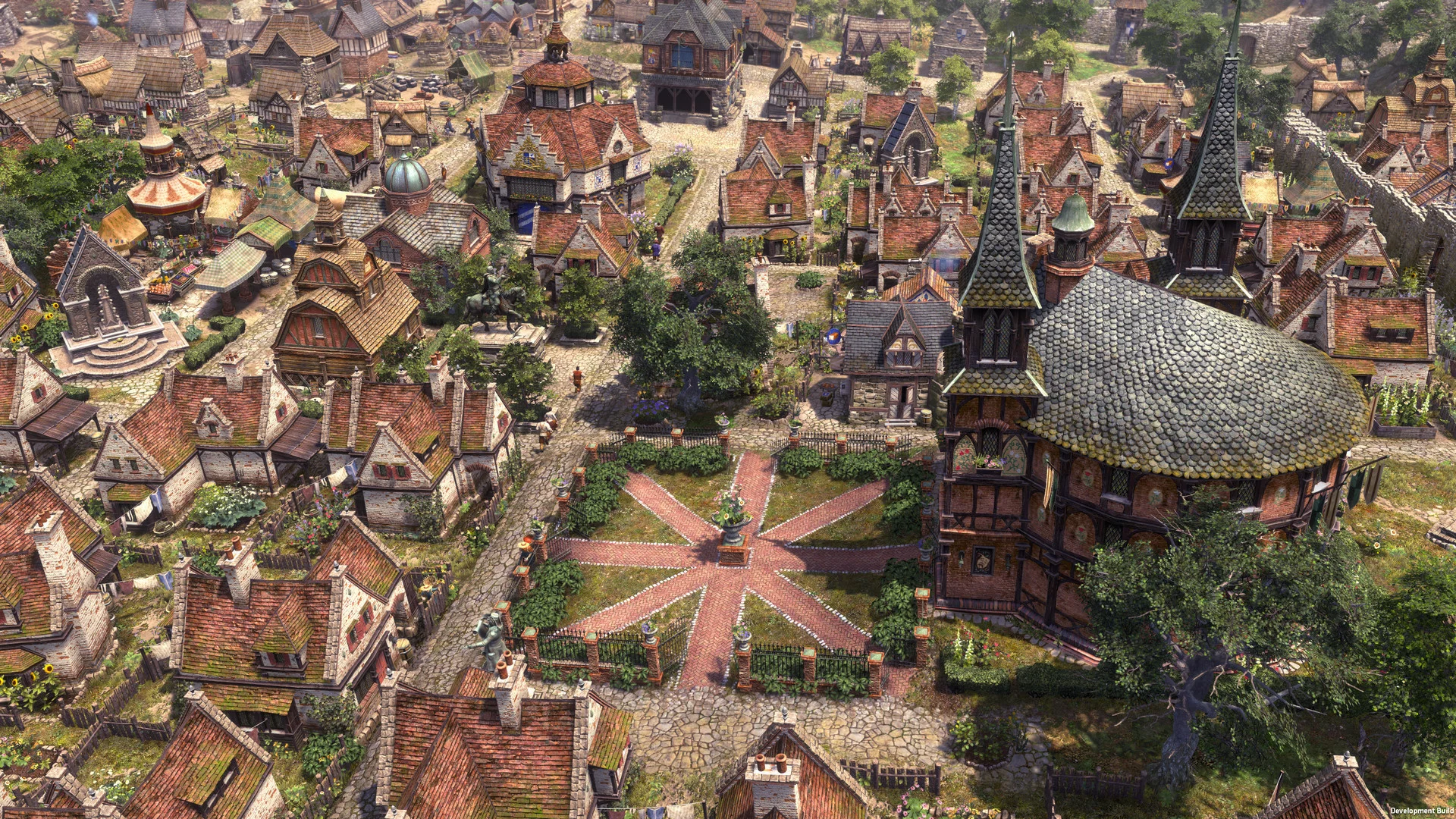
Foundation
The next game in our list is especially valued for its unique visual style and a rare combination of freedom and order in the genre. Foundation features an innovative gridless placement system, modular construction, freely scalable buildings, strong landscape influence on gameplay, and other solutions unusual for the genre. Despite its apparent simplicity, players build surprisingly complex medieval cities, unique production chains, and thriving trade networks.
Going Medieval
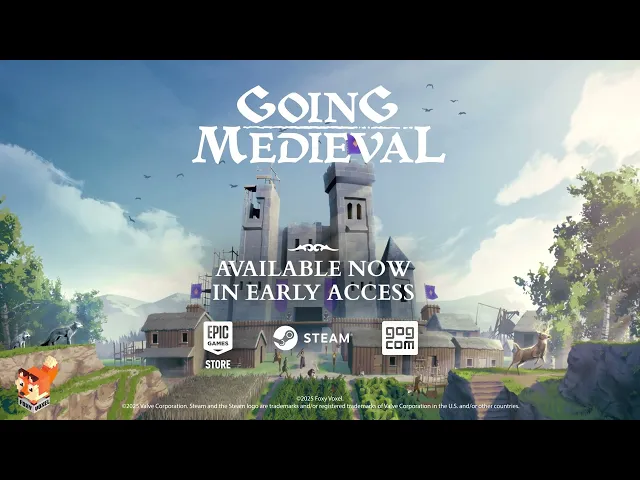
If you've ever dreamed of "RimWorld in 3D," this is one of the best options. In a world where 95% of the population has died from plague, you must rebuild a settlement on the ruins of civilization. The main feature of Going Medieval is vertical construction: you can dig deep cellars for storing supplies, tunnel through rock, and erect multi-story buildings and full-fledged fortresses with battlements and towers.
The mechanic isn't just cosmetic — insulation, lighting, ventilation, and layout directly affect the daily lives of colonists. Social parameters also matter: each character has personality traits, habits, attachments, and a personal history that can either bind the community together or tear it apart from within. Going Medieval is in active development: updates regularly add new biomes, threats, crafting systems, and fine-tuned AI behavior, maintaining a healthy balance between survival and creative building.
Kingdoms Reborn
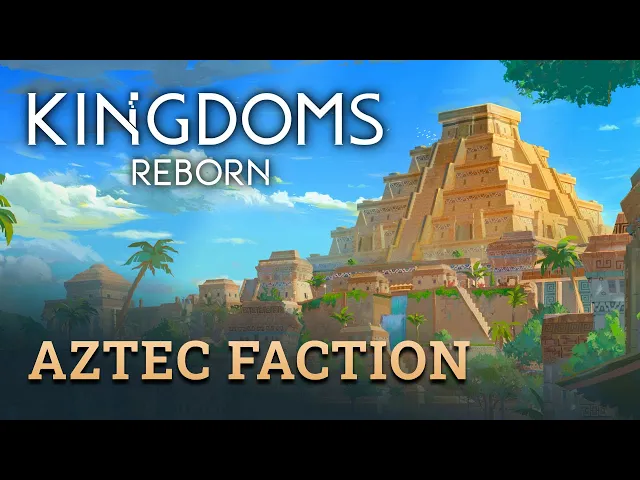
An unusual mix of Banished and Civilization, where classic "city-building on a globe" is combined with a card-based development system. Instead of a standard technology tree, the game uses a deck of cards — buildings, actions, and upgrades. This adds an element of chance and encourages flexible adaptation to circumstances.
Kingdoms Reborn attracted attention precisely because it successfully combines the "meditative" survival experience with step-by-step progression: the settlement travels from a primitive homestead to an industrial economy, and growth feels smooth and organic. Production chains, population migration, climate zones, and a world market economy form a cohesive system where every decision shapes future development.
An added bonus is full-featured multiplayer in a large open world. Players can trade peacefully, exchange resources, compete for territory, or wage war over strategically valuable regions.
Against the Storm

Against the Storm combines classic city-building with roguelite elements in a dark fantasy universe. The player must revive civilization after the destructive Blightstorm, creating temporary settlements in a procedurally generated world. Managing resources, climate risks, and the unique needs of inhabitants is the key to survival. Understanding the strengths of the local fantasy races (foxes, beavers, lizards, humans, and harpies) allows you to use their abilities for collective survival. A well-designed world regeneration cycle and fast-paced runs make the game especially appealing to those seeking a fresh and dynamic reimagining of the genre.
For those who find ordinary city-building simulators too easy. The games in this section place strict demands on strategic thinking: there is no room for error, and every wrong decision leads to a chain of consequences.
Survival in Extreme Conditions
In these games, nature is the main enemy. Permafrost, radiation, oxygen deprivation, or drought turn city-building into a fight for survival, where every decision carries a price. The survival city-builder subgenre was defined by Frostpunk — and many worthy successors have emerged since. Here, what matters is not just the city's architecture, but moral dilemmas: what must be sacrificed to save the majority?
Frostpunk

Are you drawn to grim city-building set against a glacial apocalypse, where morally difficult decisions must be made for society's survival? If so, there's a perfect option. The original Frostpunk and its sequel are known for their tense atmosphere, well-developed narrative, and relevant social themes. These games offer a unique genre experience, especially appealing to those who value dramatic story twists and heavy ethical choices that influence the strategic context.
Endzone — A World Apart
The other extreme — a city-building simulator set in a nuclear post-apocalypse. Endzone — A World Apart is exactly that: the player must rebuild society after a catastrophe, dealing with radioactive fallout, droughts, and other environmental threats. The game combines survival, strategic resource management, expedition planning, and maintaining the morale of your charges. Thanks to its deep systems, grim atmosphere, and thoughtful approach to risk, Endzone has earned its place in the genre and the attention of fans of demanding simulators.
Surviving Mars
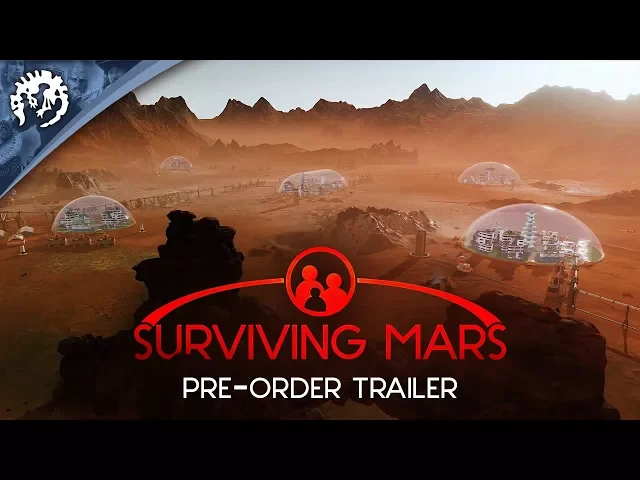
Surviving Mars is a colony-building simulator on the Red Planet. Instead of city districts — large domes housing colonists who need food, work, and entertainment just as much, under conditions of resource scarcity, radiation, and unpredictable anomalies. The strategic emphasis is on logistics, managing oxygen, water, and electricity levels, as well as maintaining the mental health of colonists. The game wins players over with its atmosphere of scientific isolation and high difficulty — any careless decision can lead to catastrophe. Despite graphics that feel dated by 2025 standards, it is recommended to those seeking harsh city-building with persistent problems and a chronic shortage of everything.
Timberborn

Timberborn is an unusual city-building simulator in which the player manages a settlement of intelligent beavers in a world laid waste by humans. The main focus is on terraforming and water resource management: building dams, aqueducts, and reservoirs becomes critically important for survival between cycles of droughts and floods. Each of the available beaver factions has its own characteristics and development style, adding variety to playthroughs. The game stands out for its vertical building and deep survival mechanics.
Oxygen Not Included
A colony-building simulator from Klei Entertainment (creators of Don't Starve), where the player manages survivors inside an asteroid. The goal is to build a life support system for the colony: oxygen, food, heat, water, electricity, and the mental health of duplicants — all interconnected and influencing each other through realistic physics simulation. Oxygen Not Included features an extremely high barrier to entry: your first few runs will almost certainly end in disaster, but that is precisely what makes every surviving colony genuinely rewarding. The game continues to receive active update support and is considered one of the genre's benchmarks for systems depth.
The Wandering Village
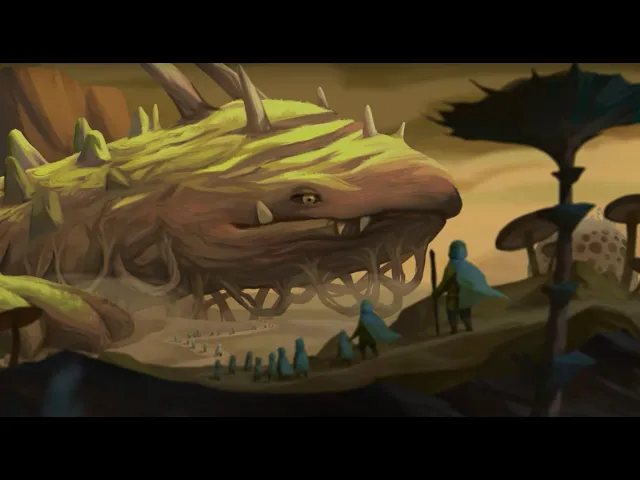
An indie experiment from a small but ambitious team, one that has carved out its own niche in the genre. The player builds and develops a settlement on the back of a giant living creature named Onbu. You must care simultaneously for the well-being of your inhabitants and for the health of the titan itself. The mechanics of symbiosis, ecological risks, and movement through a toxin-contaminated world create a unique dynamic. In The Wandering Village, strategic decisions matter: should you exploit Onbu's resources, risking its trust, or seek balance? In 2025, the game continues to develop — thanks to updates, new content, and community support, it remains relevant for anyone seeking an unconventional city-building experience.
Historical City-Building Simulators
Games that let you take on the role of a city planner in a specific historical era — from ancient Rome to the Industrial Revolution. Unlike fantasy or sci-fi city-builders, these place emphasis on historical authenticity, real trade routes, and period-accurate production chains. Anno 1800 is the benchmark for economic depth, while Caesar 3 and Pharaoh are genre classics that have not lost their relevance. For those who want not just to build, but to immerse themselves in history.
Age of Empires IV
Age of Empires IV is one of the best historical strategy games of the last decade, from Relic Entertainment and Microsoft. The game spans eight civilizations and several eras: from the Middle Ages to the early modern period. City-building here is closely intertwined with military campaigns — each faction has unique architectural styles and production chains. Documentary video inserts between missions add educational value and make the game especially engaging for history enthusiasts.
Anno 1800
Anno 1800 is the pinnacle of the series and one of the best city-building simulators of the last decade. Set in the era of the Industrial Revolution, you build factories, establish trade routes between the Old and New Worlds, manage colonies, and fulfill increasingly complex resident demands. The depth of the economic chains is staggering — you can spend hundreds of hours constantly optimizing production. Ubisoft supported the game with DLC for several years, making it one of the most content-rich city-builders on the market today.
Tropico 6
Tropico 6 is the most recent entry in the series about the caricatured dictator El Presidente. The main new feature is an archipelago of several islands connected by bridges and ferry routes that must be built and managed. Raids were also added: you can steal world landmarks — from the Eiffel Tower to Stonehenge — and install them in your own territory. Political humor, absurd quests, and lively radio stations make Tropico 6 one of the most entertaining city-builders in the genre. Available on PC, PS4, PS5, Xbox, and Switch.
Pharaoh: A New Era
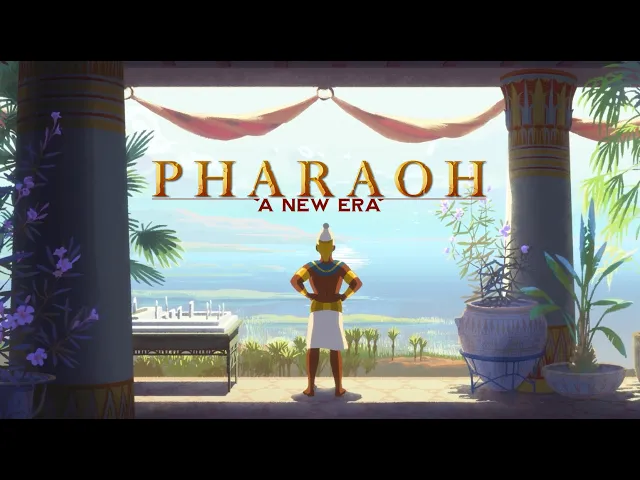
Pharaoh: A New Era is a modern remake of the classic city-building simulator, transporting the player to Ancient Egypt. Updated graphics, an improved interface, and the preservation of the original mechanics make the game appealing both to newcomers and fans of Pharaoh (1999). Special attention is paid to resource management, the construction of monuments, and interaction with the Nile as an ecosystem.
Caesar 3
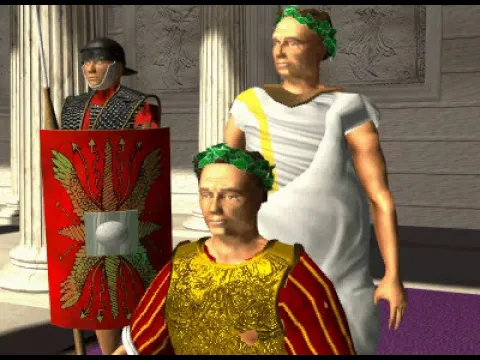
Another grandfather of the city-building simulator genre. The task seems simple at first glance: build prosperous Roman cities across various corners of the Empire, while simultaneously satisfying the demands of Caesar, the needs of the population, and the strict constraints of Roman bureaucracy. However, the logistics here are very demanding — the paths of the prefect, engineer, food carrier, or actor directly affect the development of each district. Any faulty layout triggers a chain of problems — from fires and epidemics to bankruptcy and falling ratings.
The strength of Caesar 3 is the sense of a living city. Every building and every resident is part of an interconnected system, and the visual and audio details create the atmosphere of a real Rome, where grand aqueducts stand alongside markets, forums, and arenas.
For the modern player, the ideal solution may be the fan-made Augustus build — a refined enhancement that preserves the original balance. It adds quality-of-life tools: roadblocks, expanded service distribution settings, flexible road management, full support for high resolutions, and numerous technical fixes.
Zeus + Poseidon
One of the most charming classic city-building simulators — light in mood, full of myth and gentle humor, and yet surprisingly relevant even two decades on. Unlike the stern Caesar or the monumental Pharaoh, the atmosphere here is softer: gods may appear on the streets to bless or punish the city, and heroes repel mythical monsters beyond the city walls.
The economic system of Zeus + Poseidon is easy to pick up, yet remains deep enough by modern standards. The visual portrait of Ancient Greece has retained its charm to this day. An excellent starting point for discovering the genre's classics. A curious detail: in Poland, the localized version has been recommended by the Ministry of Education as a teaching aid for history lessons — a rare instance of a game receiving official recognition as an educational tool.
Unusual and Experimental City-Builders
City-builders that don't fit into familiar molds — and that is precisely what makes them interesting. Flying islands, alien colonies, ecological utopias, cities in the trees: the developers of these games asked "what if?" and arrived at unexpected answers. The mechanics here are often unique and found nowhere else in the genre. If you're tired of classic formulas — this is the first place to look.
Terra Nil
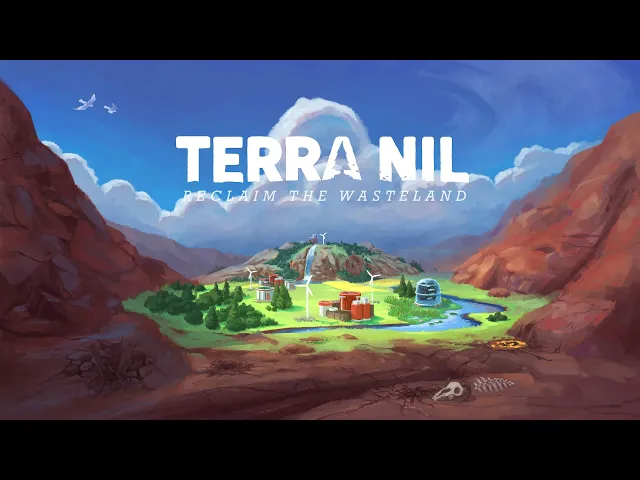
Terra Nil is an exceptionally rare concept — a "reverse" city-building simulator where the goal is not construction, but the restoration of a devastated ecosystem. The player cleanses polluted land, restores biodiversity, and then dismantles their own structures, leaving nature in its pristine state. The game offers meditative gameplay with a focus on ecology and sustainable development.
Airborne Kingdom
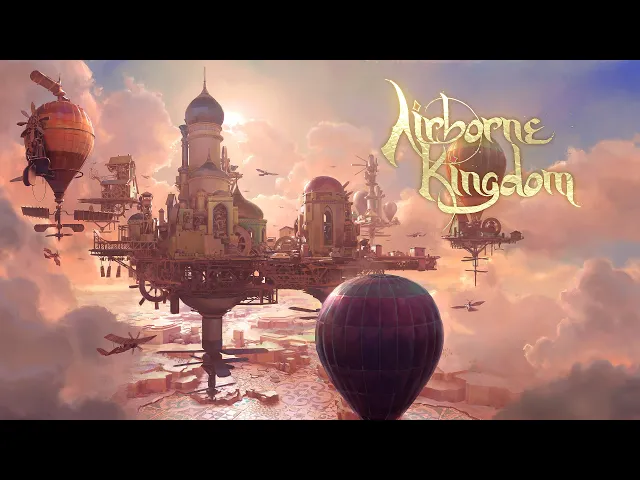
A rare combination of concept and execution: a simulator about a city that doesn't stand on the ground but drifts above a vast procedurally generated desert. The core mechanic revolves around weight balance. Every building affects the center of gravity: overload one side and the city begins to tilt, speed drops, residents lose comfort and become less productive. The structure must be leveled with platforms, farms, towers, and residential districts, finding a configuration that can bear both population growth and infrastructure expansion.
The gameplay of Airborne Kingdom consists of unhurried journeys: you fly between regions, harvest resources from the ground, discover mysterious ruins, and help scattered kingdoms restore their lost cities. The visual style is distinctly fairy-tale — a blend of Eastern architecture, steampunk, and a soft pastel palette that immediately set the project apart from classic city-builders.
Before turning to modern projects, it is worth paying tribute to the games that laid the foundations of the genre. Classic city-building simulators have not merely stood the test of time — many of them remain relevant and have no worthy equivalents in terms of simulation depth. The complete genre ranking can be found in the VGTimes city-builder catalog.
Before We Leave
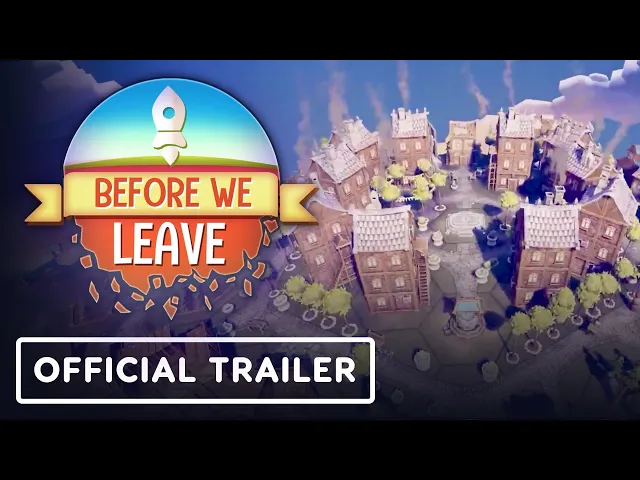
A warm, cozy, and thoroughly peaceful city-building simulator on a hexagonal grid. Your civilization emerges from bunkers and gradually reclaims the surface of a planet, then expands to other worlds within a single solar system. There are no battles here — though TOP-30 best story-driven space games for PC may eat your crops, or ancient mechanisms may cause temporary disruptions.
The main focus of Before We Leave is logistics: you must build transportation routes between settlements, planets, and even orbital objects so that resources don't sit idle and production runs without bottlenecks. The atmosphere is deliberately relaxed: a calm pace, soft visual style, and music that brings an almost meditative sense of calm.
Ratopia

Ratopia is an indie project combining survival, strategy, and sandbox gameplay in a post-apocalyptic world where the player builds a utopia for intelligent rats. Managing ratizens with unique traits, you develop a city by building an autonomous economic system, balancing taxes, production, and defense against external threats. Research, politics, and resource management add strategic depth, while a large, procedurally generated world makes each run unlike the last.
Closing out the first part of our list are projects united by a special atmosphere: peaceful, meditative, visually vibrant, or classically charming. Each reimagines the genre in its own way and offers a unique experience — from restoring nature to a city floating above the clouds.
IXION

IXION is a rare sci-fi city-builder that combines station management, survival, and narrative. As the administrator of the orbital station Tiqqun, which has fled Earth following a catastrophe, the player must maintain crew safety and morale, manage resources, and keep the station in working order. It stands out for its grim atmosphere and high level of difficulty, where every decision carries consequences.
The genre has long expanded beyond familiar cities and villages — largely thanks to indie developers who reimagine familiar mechanics. This section features games with truly unconventional concepts: from settlements of intelligent beavers to an island on the back of a living creature. Each offers unique mechanics that cannot be found anywhere else in the genre.
Aven Colony
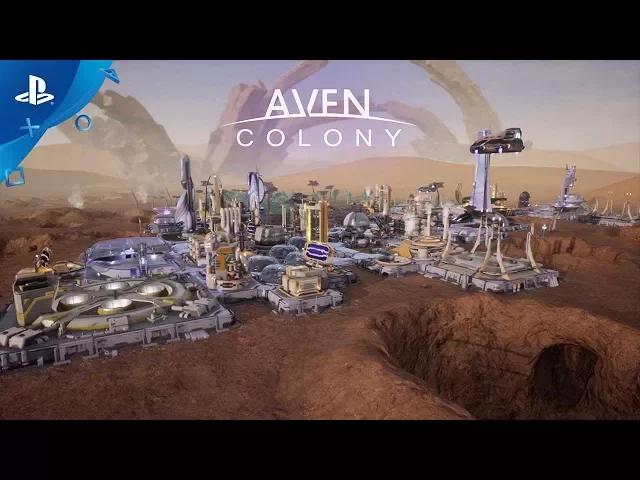
A futuristic city-building simulator on a distant planet, where the player manages a colony inside biodomes surrounded by alien landscapes, extreme weather, and a local biosphere. Unlike other sci-fi strategies, Aven Colony focuses on visual variety, alien aesthetics, and experimental mechanics — such as seasonal cycles and combating mental health issues among settlers. Suited to those looking for an unusual setting and smooth progression with an emphasis on aesthetics and community management.
Which of the classic games in this genre do you think is still relevant today?
Pioneers of Pagonia
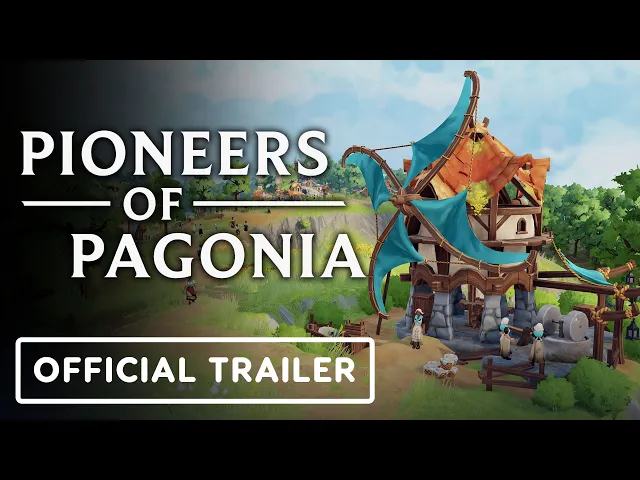
A peaceful city-building simulator from the creators of The Settlers, focused on economics, logistics, and the visualization of production chains. Pioneers of Pagonia has no wars, but features over 70 unit types and 40+ industries connected in a complex, transparent system. The player explores a fantasy archipelago, founds settlements, exchanges resources with neighbors, and builds out production with an emphasis on sustainable development. Perfect for those who value atmospheric building without the burden of combat and want to see every cog in the system working in real time.
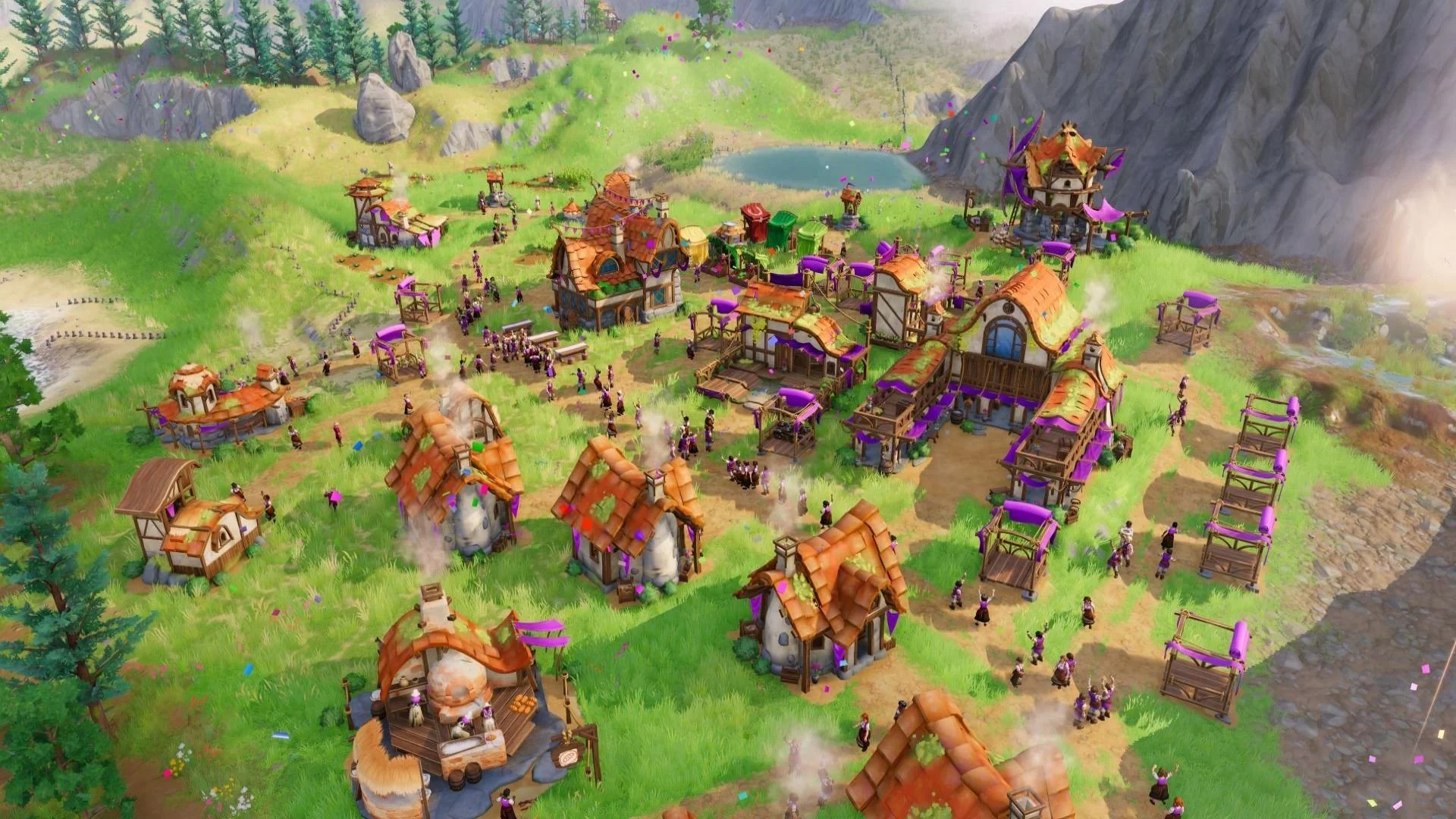
Dorfromantik
Dorfromantik is a relaxing tile-puzzle city-builder from the German indie studio Toukana Interactive. You place hexagonal tiles featuring fields, forests, rivers, and villages, connecting them into a harmonious landscape. No threats, no pressure — just meditative building and the pursuit of a high score. The game won the "Best Debut Game" award at the German industry ceremony in 2022 and became one of Steam's unexpected hits. Available on PC and Nintendo Switch.
Classic City-Building Simulators
Games that laid the foundations of the genre and have yet to lose their audience. Cities: Skylines became the defining city-builder of the 2010s and effectively reinvented the genre after a long stagnation. SimCity 4 and Workers & Resources represent a depth and level of detail that many modern games have yet to match. Technically dated, but in terms of the complexity of their economic systems and freedom of planning, they still outclass many newer releases.
Cities: Skylines
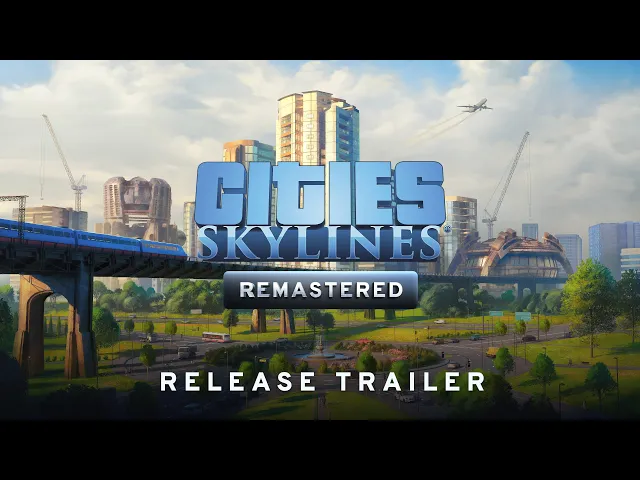
The series offers deep urban planning simulation with advanced construction tools, transportation management, and economic development. The first game became the genre benchmark and effectively reinvented it thanks to mod support and an active community, but we recommend jumping straight to the Cities: Skylines remaster released in 2023. The second entry expanded on the first game's possibilities, but was met coolly by fans due to technical issues and gameplay shortcomings.
One of the most popular settings in the genre is a [/articles/135112-the-best-medieval-strategy-games.htmll]medieval strategy games[/url] that must be turned into a thriving city. There will be no modern technology here — but there will be a strict economy, scarce resources, and the atmosphere of a true Middle Ages.
SimCity 4 Deluxe Edition
![SimCity 4 Deluxe Edition | Trailer [GOG]](https://i.ytimg.com/vi_webp/zE5LzfVGF-k/hqdefault.webp)
The last "true" SimCity and one of the deepest city-building simulators ever made. Unlike the ill-fated SimCity (2013) with its tiny maps, simplified agent simulation, and mandatory online requirement, the fourth entry offers fully fledged regions where dozens of interconnected cities are linked by transportation, migration, and trade. The economic model is so thoroughly developed that even two decades later it remains a benchmark: supply and demand, job distribution, the impact of taxes, zoning, traffic, ecology — all operating within a unified system that presents unique challenges for every city.
Despite its age, SimCity 4 remains fully playable today. However, we do recommend installing the Network Addon Mod (NAM), HD textures, and making additional changes to the configuration file (for 1440p and 4K).
A separate and rapidly growing subgenre is city-builders with a focus on industrial automation. Here the goal is not a beautiful city, but an efficient machine: endless production chains, logistics optimization, and the satisfaction of engineering perfection.
Workers & Resources: Soviet Republic
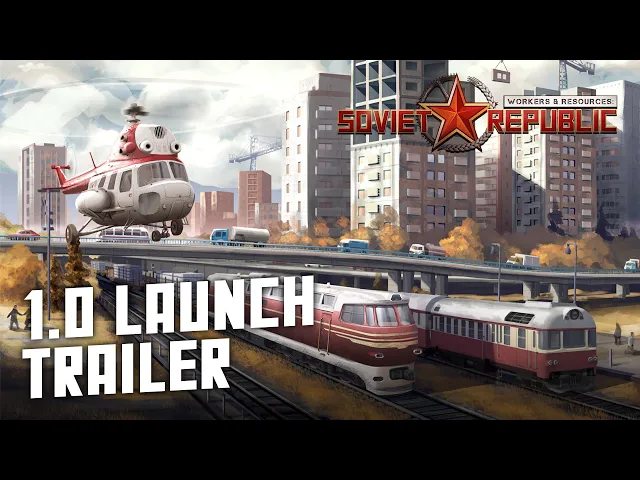
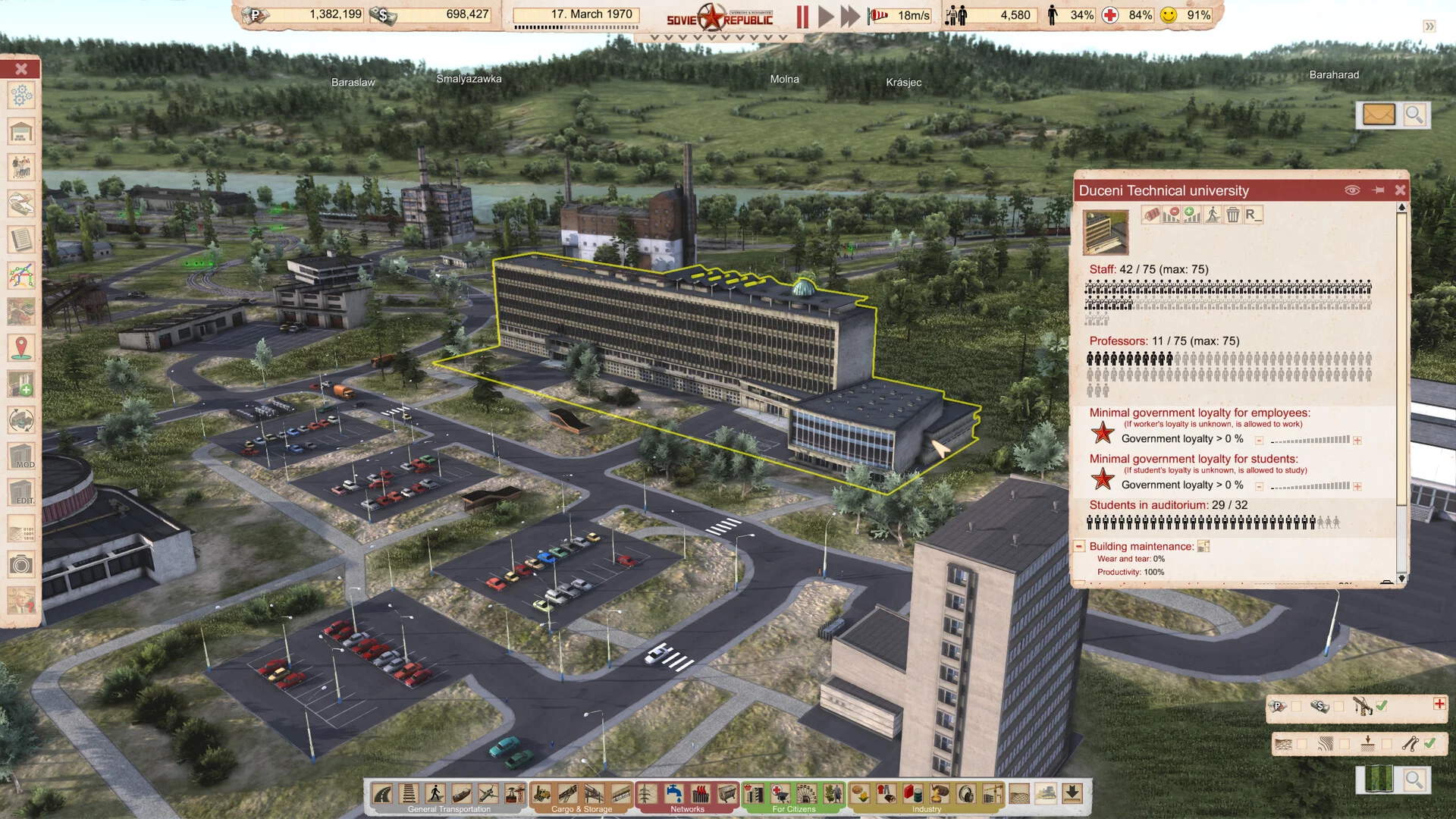
How about building socialism in miniature? Workers & Resources: Soviet Republic offers exactly that opportunity. To succeed in this socialist state simulator, the player must build detailed logistics and production chains, paying close attention to available labor reserves and infrastructure. Suited for those seeking a comprehensive and realistic city-building experience at the limits of what's possible — their own and the genre's.
Frequently Asked Questions About City-Building Simulators
Which city-building simulator should a beginner choose?
The best entry points into the genre are Cities: Skylines (Remastered) or Tropico 6: the first offers a deep introduction to urban planning, the second comes with humor and a gentler difficulty curve. For medieval settings, Farthest Frontier or Foundation are great choices — both explain their mechanics well from the start.
Are there any city-building simulators with multiplayer?
Yes: Factorio and Pioneers of Pagonia support co-op, while Kingdoms Reborn and Offworld Trading Company feature full online play with competition. The Anno series (1800, 117) offers both co-op and PvP. Cities: Skylines supports multiplayer via the CSM mod.
Which city-building simulator is the most challenging?
Workers & Resources: Soviet Republic and Factorio are widely recognized as the deepest and most demanding. Caesar 3 and SimCity 4 also require serious planning, especially on higher difficulty levels.
Which city-building simulator is the most relaxing?
Terra Nil, Before We Leave, and Airborne Kingdom are perfect for those who want to build without pressure or combat. Timberborn and Pioneers of Pagonia also offer a calm pace with deep mechanics.
Which city-building simulators came out in 2025–2026?
In 2025, Farthest Frontier left early access, and Anno 117: Pax Romana launched as the fastest-selling entry in the series. In March 2026, Nova Roma from publisher Hooded Horse arrived with an "Overwhelmingly Positive" rating on Steam. For the latest releases, visit the 2025 city builders page on VGTimes.
Which city-building simulator is the closest to SimCity?
The nearest modern equivalent is Cities: Skylines. In spirit, Caesar 3 and Pharaoh: A New Era also capture the feel of classic SimCity entries.
Are there any survival-focused city-building simulators?
Yes, it's a whole subgenre: Frostpunk (ice age apocalypse), Endzone — A World Apart (nuclear post-apocalypse), Against the Storm (dark fantasy with roguelike elements). All are available on PC and carry strong ratings on Steam.
Which city-building simulator from our list is your favorite? Or do you have a personal pick that didn't make the cut? Share it in the comments!
The most original city concept?
Looking for more to play?
The city-building genre on PC continues to grow: new projects arrive every year, pushing the boundaries of what's possible — from indie experiments to major releases from established studios. If you're looking for the best city-building simulator to match your mood, use the sections above as your guide: games are grouped by theme and difficulty to make the choice easier.
Try different formats, find your perfect formula — and start building. Browse the full genre catalog in the city-building section on VGTimes.
City-building games