Best Video Games for People Who Don't Usually Play
 Fazil Dzhyndzholiia
Video games can feel difficult to approach if you did not grow up with them. Not because they are impossible to understand, but because many of them assume habits regular players take for granted: how to use a controller, move a camera, read a menu, follow a quest, or recover from a mistake.
This list is for adults who want a clear and respectful starting point. It may be useful if your partner plays and you want to try something with them, if you bought a console for your child and want to understand the medium better, or if you have finally decided to give video games a proper chance.
We selected strong, fun, memorable games with simple entry points: clear goals, readable controls, gentle pacing, or stories that do not require fast reflexes. You can also find similar easy-going experiences in our article about best comfort games.
If you've never picked up a controller
Start here if games still feel unfamiliar. These are simple, gentle, easy-to-read experiences built around one clear idea: cause trouble as a goose in Untitled Goose Game, climb a small island in A Short Hike, unpack boxes in Unpacking, or follow a short interactive love story in Florence. No complicated systems, no long tutorials — just games you can understand almost immediately.
Untitled Goose Game
Platforms: PC, Mac, Nintendo Switch, PlayStation 4, Xbox One
Time to first "I get it" moment: 2–3 minutes
What you'll need to learn: using objects to set up simple pranks
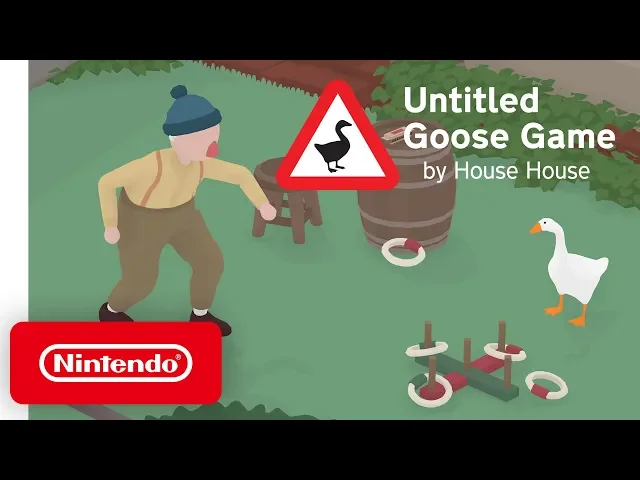
A comedy game about a nasty goose that wanders around a small English village and ruins people’s day. The controls are deliberately simple, just like the gameplay in general: the goose runs, grabs objects with its beak, flaps its wings, and honks with a dedicated button. The player gets a list of mischief to cause like go and steal the gardener’s keys, turn on the sprinkler, snatch food, make someone spit out their tea. Then you need to figure out the best way to pull it off.
For people who do not usually play games, Untitled Goose Game works well because it is easy to understand right from the get go. It is a simple game for adults with no complicated rules, upgrades, combat, or long explanations. There is only a funny objective to complete. It is one of the best short games, roughly a couple of hours long, that never has time to become tiring.
A Short Hike
Platforms: PC, Mac, Linux, Nintendo Switch, PlayStation 4, Xbox One
Time to first "I get it" moment: 3–5 minutes
What you'll need to learn: reading the environment to find a path upward
A short adventure about Claire, a bird who comes to an island to visit her aunt. She soon sets off to climb the local mountain — the only place where she can get reception for an important phone call. The player runs around the island, talks to animals, completes simple requests, and collects golden feathers to jump higher, climb for longer, and glide farther from high places.
For most casual gamers, A Short Hike works because of its gentle pace. Nobody rushes you anywhere, and there is a clear goal — you simply need to reach the summit — but on the way, you can get distracted: help a sad little squirrel join a boat trip, water plants from a bucket, or use a pickaxe to open shortcuts through caves. It is a cozy little game for a couple of hours, built almost entirely around the joy of movement and curiosity, and it can lift your mood in no time. If you are looking for more pleasant adventures like this, check out our list of the best comfort games.
Unpacking
Platforms: PC, Mac, Linux, Nintendo Switch, PlayStation 4, PlayStation 5, Xbox One, iOS, Android
Time to first "I get it" moment: 1–2 minutes
What you'll need to learn: paying attention to where objects logically belong
One of the best games for non-gamers about moving house, where you take items out of boxes and arrange them around different rooms. The player never sees the heroine and reads almost no text, but gradually understands her life through the objects in her childhood bedroom, dorm room, and shared apartment: books, art supplies, controllers, board games, postcards, and photographs. The idea behind Unpacking is immediately clear even if you have never played games before: there is no timer, no score, and no complicated controls — you simply need to find a place for each item. The story pieces itself together naturally, for example when the game asks you to put a photograph away in a drawer instead of placing it somewhere visible.
Florence
Platforms: PC, Mac, Nintendo Switch, iOS, Android
Time to first "I get it" moment: 1–2 minutes
What you'll need to learn: following visual cues
A short interactive story about 25-year-old Florence, who works with numbers, commutes to the office, scrolls through social media, and one day meets a street cellist named Krish. It is a game with almost no words: the characters do not speak in dialogue lines, while the player simply clicks, turns scenes, and performs small actions like brushing teeth, choosing photos for social media, or unpacking Krish’s things after he moves in. Florence is a simple game for adults: there are no fights, no failure states, and no complicated rules — only a short story about falling in love, living together, and breaking up, where emotions are conveyed through music, color, and simple mini-games.
If complex controls are the main thing scaring you off
These games do not ask for fast reactions or precise button presses. Instead, they focus on calm thinking, sorting, planning, and small satisfying decisions. Dorfromantik lets you build peaceful landscapes tile by tile, while Mini Motorways turns road design into a simple strategy puzzle.
Dorfromantik
Platforms: PC, Nintendo Switch, PlayStation 4, PlayStation 5, Xbox One, Xbox Series X/S
Time to first "I get it" moment: 2–4 minutes
What you'll need to learn: matching tile edges
A cozy puzzle game about building a beautiful landscape from hexagonal map tiles. The player places tiles with houses, forests, fields, rivers, and railways next to each other, trying to match similar edges: forest to forest, field to field, river to river. The rules are clear almost immediately, but the depth appears gradually: your supply of tiles is limited, and you can earn new ones through successful matches and tasks, such as creating one large area of trees.
Dorfromantik is a good game to start your video game journey with, especially if you have experience with tabletop games. It does not require quick reactions and does not punish mistakes harshly: you can calmly build a little world and admire all the houses, boats, and trains, especially if you play in Creative Mode.
Mini Motorways
Platforms: Apple Arcade, PC, Mac, Nintendo Switch
Time to first "I get it" moment: 3–5 minutes
What you'll need to learn: keeping routes short and uncluttered
A minimalist strategy game about roads, where you need to connect houses and larger buildings so that cars can move people around the city in time. The game starts with one building and one garage, but soon new points of different colors appear on the map: red houses need to be connected to red buildings, blue ones to blue buildings, and so on. For people who rarely play games, Mini Motorways rules are clear at first glance: the player simply draws roads, adds bridges, tunnels, traffic lights, roundabouts, and motorways, and then watches to see whether this network can handle the growing flow of cars.
A Little to the Left
Platforms: PC, Mac, Nintendo Switch, PlayStation 4, PlayStation 5, Xbox One, Xbox Series X/S, Android, iOS
Time to first "I get it" moment: 1–3 minutes
What you'll need to learn: spotting the hidden sorting rule
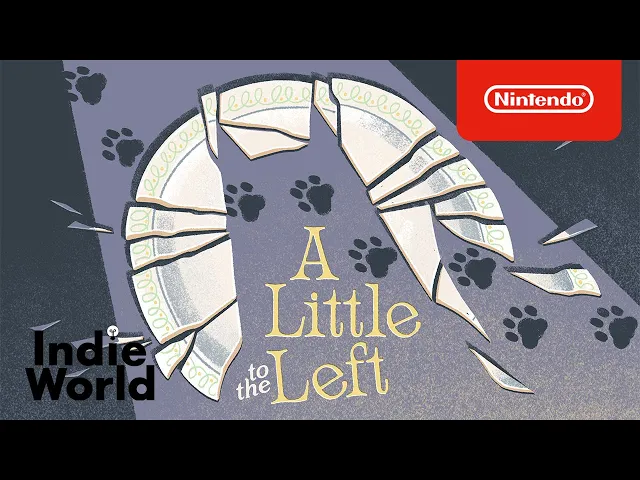
A puzzle game about bringing order to ordinary things: you need to straighten a picture frame, put a cat’s toys into a basket, arrange colored pencils, make a neat line out of sticky notes, sort books by height or width, find the logic in stamps on envelopes, and neatly fit objects into a drawer with compartments.
A Little to the Left is immediately understandable: there is a small mess on the screen, and the player looks for a way to make it logical and pleasing to the eye. It is a great game for non-gamers. Sometimes there is only one solution, sometimes objects can be sorted in several ways, and if you get completely stuck, you can reveal part of a hint — erasing only a small piece of the drawing so you do not spoil the entire solution for yourself.
Wilmot's Warehouse
Platforms: PC, Mac, Nintendo Switch, PlayStation 4, Xbox One, iOS
Time to first "I get it" moment: 5–7 minutes
What you'll need to learn: building a personal sorting system
A puzzle game about sorting boxes in a warehouse: the player controls a worker named Wilmot, accepts deliveries, decides how to arrange goods into categories, and then quickly finds the right boxes for customers. At first, everything is simple — for example, you might need to keep hats separate from winter items — but the game soon starts throwing more ambiguous dilemmas at you. Where should a winter hat go? Wilmot’s Warehouse works well because its core idea is easy to understand. It is a game about memory and attention, where the pleasure comes from the process of organizing things.
If you've watched someone play and wanted to try
This category is for popular games that make a great starting point for non-gamers. Stardew Valley is about building a farm, Animal Crossing: New Horizons is about creating a cozy island life, The Sims 4 is about managing virtual people, and Slay the Spire is about climbing a tower one card battle at a time.
Stardew Valley
Platforms: PC, Mac, Linux, Nintendo Switch, PlayStation 4, Xbox One, iOS, Android, PlayStation Vita
Time to first "I get it" moment: 10–15 minutes
What you'll need to learn: planning a simple daily routine
A legendary farming simulator where the player decides what to do each day: plant vegetables, look after chickens, ducks, cows, and goats, go fishing, install machines for processing produce, talk to villagers, give gifts, and even start romances. Stardew Valley is engaging because of its freedom of choice: there is almost no “right” way to play, and the difficulty largely depends on how efficiently you choose to run your farm. You can optimize everything — keep a shed with machines near the animals, place crops closer to the shipping bin, and plan your route for the day in advance. Or you can simply grow crops, gradually improve your land without serious optimization, and almost completely ignore mechanics that do not interest you.
Animal Crossing: New Horizons
Platforms: Nintendo Switch, Nintendo Switch 2
Time to first "I get it" moment: 10–15 minutes
What you'll need to learn: following small daily goals
An excellent starting video game for beginners. Animal Crossing: New Horizons works well because it does not require any preparation or prior knowledge in games from the player. It is a calm life simulator where you arrive on an almost empty island and gradually turn it into your own place: you build a house, collect resources, catch fish and bugs, buy furniture, plant flowers, decorate streets, and get to know your animal neighbors. There is no final boss and no strict objective — the game is built around small daily routines and the feeling that the island is slowly becoming cozier.
It is one of the best Nintendo Switch games of all time. Animal Crossing also received an updated version for Nintendo Switch 2. The upgrade does not turn the game into something new, but it does improve it. The image is sharper in both handheld and docked modes, and there is also a small amount of new content: a hotel where you can design rooms for guests, plus separate sandbox islands for decorating together with friends.
The Sims 4
Platforms: PC, Mac, PlayStation 4, Xbox One
Time to first "I get it" moment: 10–20 minutes
What you'll need to learn: managing basic needs
A life simulator where the player creates virtual people, builds them a house, and decides what their everyday life will look like. In The Sims 4, you need to take care of your characters’ needs: they want to sleep, eat, socialize, work, and relax. It is a sandbox without a strict script: you can play seriously and guide a family from birth to old age, or you can turn on cheats, build strange houses, and see what happens if you put a hot-headed genius and a career-focused romantic under the same roof.
The player decides how the Sims build careers, look for partners, interact with relatives, and furnish their home. Part of the appeal, however, is that even a carefully thought-out plan can easily fall apart because of the Sims’ personalities. For example, a hot-headed character might start an argument with their family simply because they disliked the decor in the room. Incidentally, if games like this interest you, do not miss our selection of best Sims-like games.
Slay the Spire
Platforms: PC, Mac, Linux, Nintendo Switch, PlayStation 4, Xbox One, iOS, Android
Time to first "I get it" moment: 10–15 minutes
What you'll need to learn: choosing between attack and defense
An unusual card game about climbing a tower, where every run starts from scratch if you die. The player chooses a hero, receives a simple starting deck, and plays cards in each battle: some deal damage, others provide defense, and others change the usual rules of the game. After winning, you can take a new card, buy a useful item, choose another path up the tower, or rest at a campfire. Gradually, a weak deck turns into a functional build.
For people who do not usually play games, Slay the Spire works well because it does not require great reaction speed or finesse: the enemy shows in advance what it is going to do, and the player calmly decides how to respond. But it is not the easiest game for a first introduction to the medium: there are many cards, effects, and random events, so your first runs will almost certainly fail. Still, defeat does not feel empty — every attempt teaches you to better understand which cards are worth taking and when it is better to heal. That run-based structure also makes Slay the Spire easier to return to in short sessions, which is why games like it often appear in lists of the best games for short attention spans.
If you love stories — try these instead of TV
These games are a natural next step for people who prefer characters, dialogue, atmosphere, and choices over reflex-heavy gameplay. Detroit: Become Human plays like an interactive sci-fi drama, Life is Strange follows teenagers through friendship and difficult decisions, Firewatch builds tension through exploration and radio conversations, and What Remains of Edith Finch turns a family history into a series of unforgettable short stories.
Detroit: Become Human
Platforms: PC, PlayStation 4
Time to first "I get it" moment: 5–10 minutes
What you'll need to learn: responding to on-screen prompts
A great story game for non-gamers and, more broadly, an excellent interactive drama where the player does not so much control a character in the usual sense as choose what the characters say and how they act at key moments.
Detroit: Become Human has three main android heroes: Kara looks after a girl named Alice, Connor investigates cases involving runaway androids together with a police officer named Hank, and Markus finds himself at the center of the struggle for the rights of artificial people. The game unfolds in chapters, like a TV show, but decisions change relationships between characters, open up new scenes, and can lead to the deaths of important heroes.
Life is Strange
Platforms: PC, Mac, Linux, PlayStation 3, PlayStation 4, Xbox 360, Xbox One, iOS, Android; also available in remastered form on newer platforms
Time to first "I get it" moment: 10–15 minutes
What you'll need to learn: exploring scenes before making choices
Another interactive drama for those who prefer TV series format more than traditional games with combat and complex controls. The main character, Max, studies photography, returns to her hometown, and discovers that she can rewind time. The player mainly walks around locations, talks to people, chooses replies, and decides whether to interfere in other people’s problems. If a scene goes badly, time can be rewound and another option tried. That is why Life is Strange is easy to understand even without gaming experience: it is a story about friendship, bullying, guilt, and growing up, where only the decisions you make truly matter. If you are looking for more good interactive stories, do not miss our list of the best story-driven games.
Firewatch
Platforms: PC, Mac, Linux, Nintendo Switch, PlayStation 4, Xbox One
Time to first "I get it" moment: 5–10 minutes
What you'll need to learn: navigating with a map and compass
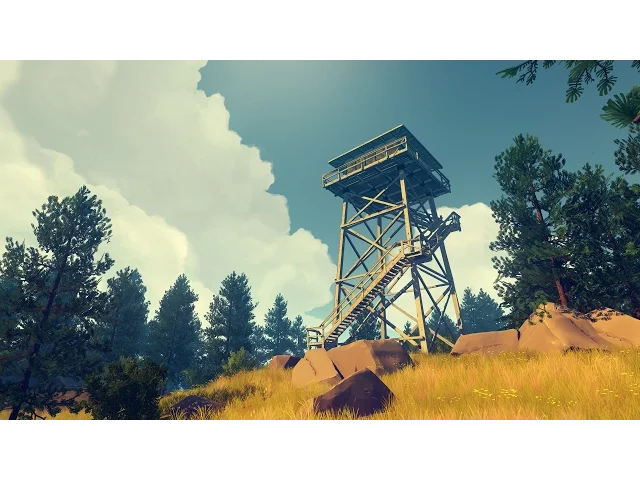
A first-person story game for those who care more about atmosphere and narrative than gameplay. The story follows Henry, who leaves to work as a fire lookout in the forests of Wyoming. His workplace is a lonely tower in the middle of the woods, but the player also walks along trails, checks a map and compass, climbs down rocks, and constantly talks over the radio with his supervisor, Delilah. At first, it looks like an ordinary summer job, but Henry soon starts noticing strange things, and the story gradually becomes more unsettling. Firewatch is an excellent atmospheric game that asks very little of you in terms of gameplay.
What Remains of Edith Finch
Platforms: PC, Nintendo Switch, PlayStation 4, PlayStation 5, Xbox One, Xbox Series X/S, iOS
Time to first "I get it" moment: 5–8 minutes
What you'll need to learn: following each scene’s one-off interaction
A dark interactive story about a young woman named Edith, who returns to her family home before the birth of her child and tries to understand why she is the last surviving member of her family. The house feels like a strange museum of other people’s lives: the rooms of dead relatives are sealed off, but Edith gradually finds her way inside, examines their belongings, and remembers the stories she heard about her family. Each of these episodes briefly changes the rules of the game, as the player lives through another person’s final moments in a separate scene with its own mechanics.
For people who rarely play games, What Remains of Edith Finch is easy to understand as a short interactive story, but there is one important caveat: this is not a horror game with monsters, but a heavy story about death, loss, children, parents, and family memory.
If you want to play with your gamer partner or friend
These co-op games are easy to start even if both players are new to gaming. They have clear goals, simple roles, and plenty of room to talk things through, make mistakes, and figure things out together. It Takes Two is built entirely around teamwork, Overcooked 2 turns kitchen chaos into a shared comedy of mistakes, Snipperclips makes puzzle-solving silly and physical, and Untitled Goose Game lets two players cause trouble together without demanding complex controls.
It Takes Two
Platforms: PC, Nintendo Switch, PlayStation 4, PlayStation 5, Xbox One, Xbox Series X/S
Time to first "I get it" moment: 10–15 minutes
What you'll need to learn: coordinating actions with another player
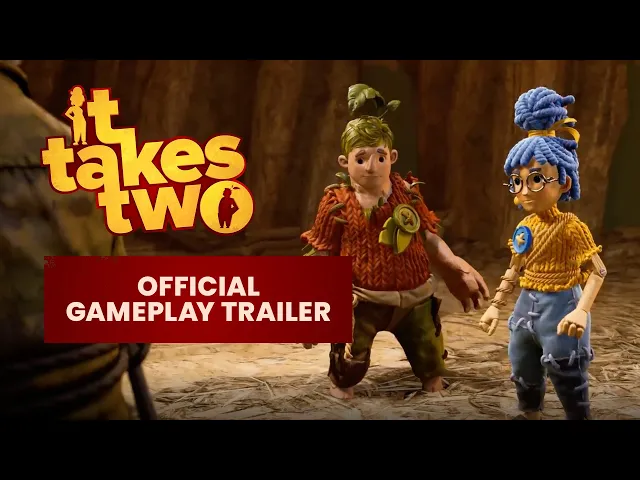
One of the best co-op games. Husband and wife Cody and May turn into dolls and have to make their way through strange versions of their own house and garden to return to human form. Co-op is mandatory: one player controls Cody, the other controls May, and almost every challenge requires teamwork. For example, in one level, May has a nail while Cody has a magnet, and they can only move forward by working together.
If you want to introduce your partner to games, It Takes Two is an excellent choice: it is not a competition, but a cooperative game for casual players, where your teammate can help you figure out the controls, puzzles, and bosses. The main thing is to talk, try different ideas, and act together.
Overcooked 2
Platforms: PC, Mac, Linux, Nintendo Switch, PlayStation 4, Xbox One; also available through Overcooked! All You Can Eat on PlayStation 5 and Xbox Series X/S
Time to first "I get it" moment: 3–5 minutes
What you'll need to learn: dividing tasks with other players
A co-op arcade game about kitchen chaos, where players prepare dishes together within a time limit. You need to pick up ingredients, chop vegetables, knead dough, put pots on the stove, wash plates, and serve orders on time. Meanwhile, moving platforms, teleporters, disappearing paths, and other hazards in bizarre kitchens constantly get in the way. The controls in Overcooked 2 are built around a few basic actions: pick something up, put it down, chop an ingredient, wash a plate, or knead dough. But the game is quite difficult because of its frantic pace: players need to quickly decide who chops the salad, who washes the plates, who throws cheese across a gap, and who carries the finished dish. It is great entertainment if you are looking for best two-player co-op games on one screen.
Snipperclips
Platforms: Nintendo Switch
Time to first "I get it" moment: 3–5 minutes
What you'll need to learn: thinking in shapes
A co-op puzzle game for up to four players, where characters cut pieces out of each other and change shape to solve tasks. For example, you may need to cut one character into a cup-like shape to catch a ball, sharpen another character’s head to pop balloons, cut a path for a princess in a mini-game, or help one frog reach another. For non-gamers and beginners, Snipperclips works well because of its simple rules and great sense of humor. You do not need to press lots of buttons quickly. What matters more is coming up with a shape together, trying a strange solution, laughing at a mistake, and, if needed, restoring your character to its original form with one button.
Untitled Goose Game
Platforms: PC, Mac, Nintendo Switch, PlayStation 4, Xbox One
Time to first "I get it" moment: 2–3 minutes
What you'll need to learn: coordinating simple pranks with another player
We already mentioned Untitled Goose Game, but it is worth highlighting separately as a co-op game for beginner players. Multiplayer does not change the rules, but it makes the game even funnier: with two geese running around the village, the mischief turns into more inventive joint schemes. One player can distract a villager by honking, lure them away, or pull an object toward themselves while the other sneaks into the garden and steals the item needed for the task. All areas can be played through together locally, while on Steam and PlayStation, you can also play via Remote Play Together or SharePlay.
FAQ — Frequently Asked Questions About Games for Non-Gamers
What is the easiest video game to start with as an adult?
There is no single correct answer, because “easy” can mean different things. If you want almost no pressure, Unpacking and Florence are good starting points. If you want something more playful, Untitled Goose Game is easy to understand within minutes. If you want a bigger game that still lets you move at your own pace, Animal Crossing: New Horizons and Stardew Valley are better long-term choices.
Are mobile games good for new players?
Yes, and for many adults they are the most natural entry point. Games like Wordle, NYT Games: Play the Crossword, Florence, Two Dots, Monument Valley, and Alto’s Odyssey work well because they use familiar gestures, short sessions, and clear goals. They can also help new players get used to basic game logic — trying again, reading patterns, making small decisions, and learning through mistakes — without needing a controller first.
What is a good game to play with my partner who has never gamed?
A good first co-op game should give both players something clear to do without turning the session into a test. Untitled Goose Game works well because two players can cause trouble together with simple controls. Snipperclips is great if you want a funny puzzle game about talking through silly ideas. It Takes Two is a stronger choice if your partner is ready for a longer adventure, because the whole game is built around cooperation rather than competition.
How long does it take to get good at video games?
It depends on the type of game, but the first useful step is not “getting good.” It is getting comfortable: moving a character, reading prompts, understanding menus, noticing objectives, and not panicking when something goes wrong. Simple games can start making sense in a few minutes. Bigger games may take several sessions, especially if they use a camera, many buttons, or several systems at once. That is normal. Regular players only seem fluent because they have spent years learning the language of games.
Are there relaxing games that do not require fast reflexes?
Yes. Many of the best games for new players are built around observation, planning, sorting, decorating, or simple choices rather than speed. Dorfromantik, A Little to the Left, Unpacking, Wilmot’s Warehouse, Animal Crossing: New Horizons, and A Short Hike can all be played at a calm pace. Some still have goals or puzzles, but they do not ask you to react quickly or master complex controls.
Is a video game a good gift for someone who does not usually play games?
It can be, but only if the game matches the person rather than your own taste. For someone who likes design, order, or interiors, Unpacking or A Little to the Left may work better than a huge adventure. For someone who enjoys stories, Life is Strange, Firewatch, or What Remains of Edith Finch are safer choices. For someone who likes daily routines and collecting, Animal Crossing: New Horizons is easier to recommend. The best gift is a game with a clear idea, low pressure, and a short path to the first “I understand what I’m doing” moment.
What game helped you understand why people love video games? Was it a calm puzzle, a story-driven adventure, a co-op game you played with someone else, or something completely unexpected? Share your first memorable gaming experience in the comments.
What kind of game would you recommend to someone who does not usually play?
What Else to Play
Video games are not one kind of experience. Some are short stories, some are calm puzzles, some are co-op games built around talking things through, and some are life sims you can return to for a few minutes each day. The best place to start is the game with a clear idea, low pressure, and a first step that makes sense to you. If you want more games that are easy to approach, you can find a few bonus picks below. You can also check our other articles about comfort games, relaxing adventures, story-driven games, and other titles that do not demand fast reflexes from the first minute.
Gone Home — a quiet mystery about exploring an empty family house, reading notes, and piecing together a personal story without combat or pressure from complicated mechanics.
Uncharted 4 — a cinematic adventure that can work as a great starting game for newcomers thanks to its clear objectives, strong characters, generous difficulty settings, and movie-like pacing.
Vampire Survivors — an easy game to understand within seconds: attacks happen automatically, so the player mainly moves through crowds of monsters and chooses upgrades.
Portal 2 — a smart but approachable puzzle game that teaches its main idea gradually, then lets players solve problems through observation rather than reflexes. There is also co-op.
Great games for non-gamers
- Best Video Games for People Who Don't Usually Play
- Best Comfort Games to Play When You Need to Feel Better
- Best Story-Driven Games You Can't Miss
- Best Phone Games for Women — What To Play on Android and iPhone
- Best Games for Women on PC and Consoles: A Selection for Every Taste
- Games Like The Sims (Sims-like Games): The Best Life Simulators of 2026
- Best Co-op Games 2026: 290+ Picks for PC, PS5, Xbox & Switch
- 60 Best Co-op Games for Low-End PCs