
70 Best Horror Games of All Time (2026)
 Fazil Dzhyndzholiia
The best horror games of all time are not just frightening experiences, but true masterpieces of the genre that keep you on edge from the first minute to the last. This list includes outstanding horror titles on PC, PlayStation 5, PlayStation 4, Xbox Series X/S, and Nintendo Switch — from cult classics of the 90s and 2000s to the best horror games of 2023, 2024, 2025, and 2026. You’ll find survival horror with strict resource management, psychological horror that terrifies without a single monster, horror shooters where fear goes hand in hand with action, and stealth horror where the only way to survive is to hide.
When selecting the games, we evaluated not only how scary they are, but also their quality, replayability, and that lingering feeling when, even hours after turning the game off, you still want to look over your shoulder. The selected titles span different subgenres — from atmospheric indie projects to big-budget blockbusters — but they all share one thing: they leave a lasting impression.
If you do not have time for the entire list, these are the 10 games worth starting with:
- Silent Hill 2 — the greatest psychological horror game in the genre’s history;
- Resident Evil 2 — a textbook remake of a survival horror classic;
- Resident Evil 7 — the scariest entry in the series;
- Alien: Isolation — the gold standard for stealth horror with an intelligent pursuer;
- Amnesia: The Dark Descent — the game that pioneered horror built around a defenseless protagonist;
- Dead Space — sci-fi horror remade to near perfection;
- SOMA — a philosophical horror game about the nature of consciousness;
- Alan Wake 2 — the genre’s boldest narrative experiment;
- Outlast — pure terror with no way to fight back;
- Resident Evil Requiem — the biggest horror release of 2026.
Best Survival Horror Games
Survival horror is a genre where fear comes not from jump scares, but from a constant shortage of resources, confined spaces, and a feeling of complete helplessness in the face of an overwhelming threat. Every bullet counts, every health item feels too valuable to use, and every turn in the corridor could be the last. These terrifying games established the genre’s gold standard and remain benchmarks to this day — both for developers and horror fans.
Silent Hill 2 (original)
The original Silent Hill 2 is still considered by many critics to be the greatest horror game in the genre’s history. The story of James Sunderland, who travels to the fog-shrouded town after receiving a letter from his dead wife, is not merely a horror tale but a psychological drama about grief and self-deception. The monsters are not random creatures designed to frighten the player, but manifestations of the protagonist’s repressed emotions.
Yes, Bloober Team’s remake is excellent and available on modern platforms. But the original offers an experience that cannot be replicated: the angular graphics, fixed camera angles, and deliberately awkward controls create a distinctive sense of alienation that the remake cannot reproduce. If you plan to watch a playthrough on YouTube, start with the original.
Silent Hill f
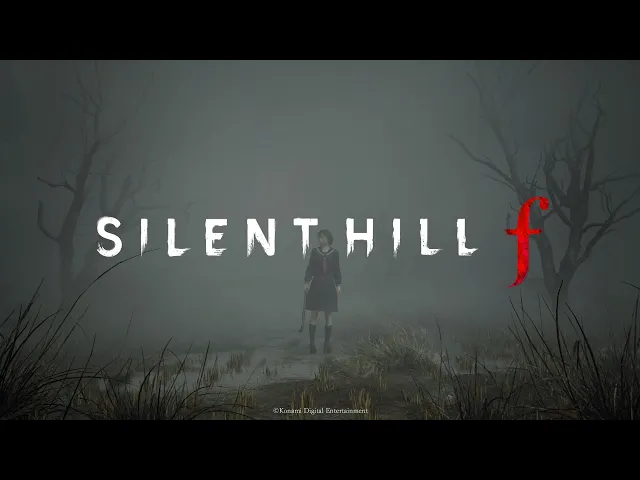
One of the biggest horror releases of 2025 — and perhaps the boldest entry in the series in the past twenty years. Silent Hill f moves the action to rural Japan in the 1960s, a radical change of setting compared with every previous installment. Rather than playing it safe by reimagining another classic, Taiwanese studio Neobards Entertainment created an entirely new Silent Hill with original characters, an unusual setting, and monsters unlike anything the series had shown before.
Critics gave the game a warm reception, calling it the best entry in the series since the original Silent Hill 2. We also rated it highly in our Silent Hill f review. The story is genuinely dark and atmospheric, while the symbolism behind its monsters is exactly what Silent Hill should deliver.
Resident Evil HD Remastered
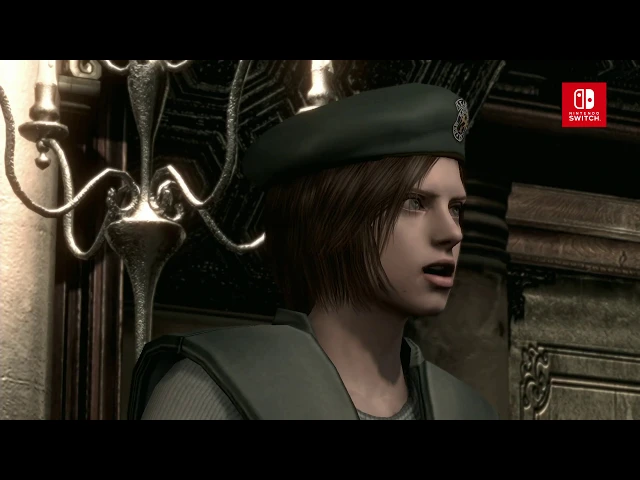
Still the gold standard for survival horror. The remake of the first Resident Evil not only looks stunning — its graphics were upgraded for the 2015 remaster — but also impresses with its near-perfect difficulty balance, intricate level design, and a unique atmosphere found nowhere else in the series.
The fixed camera angles and unconventional controls take some getting used to, but players gradually learn to appreciate them: when it is impossible to get a clear look at the monster waiting farther down the corridor, the game becomes even more frightening. This is one of the few horror games where the design of every room feels like a work of art in its own right. It is no surprise that Resident Evil HD Remastered ranks among the best Resident Evil games.
Silent Hill 3
There is plenty of room to argue that the second game has a stronger narrative than Silent Hill 3. Nevertheless, when SH3 is considered as a complete package, it becomes clear that this is Team Silent’s most technically accomplished horror game. It still looks surprisingly good today — the developers pushed the PS2 to its limits — and its atmosphere is every bit as powerful as that of its predecessors.
The combat and controls in the third game are the least frustrating among the classic Silent Hill titles. For anyone just discovering the series, SH3 is an excellent starting point.
Silent Hill 4: The Room
The most underrated entry in Team Silent’s classic tetralogy — and perhaps the most claustrophobic. Henry Townshend is trapped inside his own apartment: the front door is bound with chains, the windows will not open, and the only exit is a hole in the bathroom wall leading to distorted worlds.
At first, the apartment serves as a safe hub where players can catch their breath and save their progress. As the story unfolds, however, ghosts and other anomalies begin to appear inside it, gradually turning the sanctuary into yet another source of danger. The unkillable enemies, which cannot be permanently dispatched with conventional weapons, add even more tension. Thanks to these design choices, Silent Hill 4: The Room remains every bit as frightening today as the series’ better-known entries. The official PC version is available on GOG.
Silent Hill 2
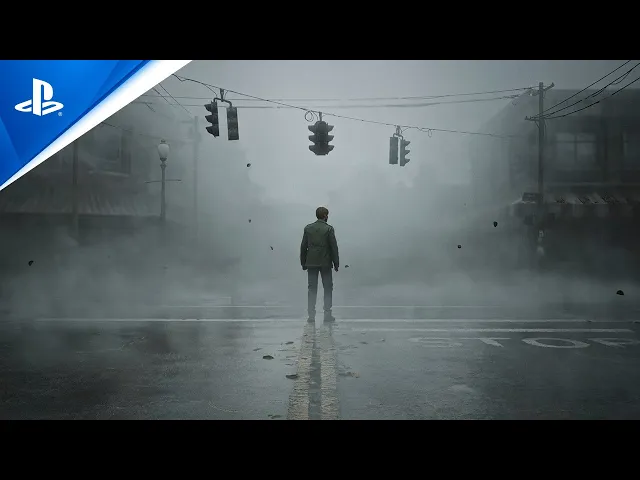
Many Silent Hill fans insisted that Polish studio Bloober Team would not be able to handle a reimagining of the iconic second installment. Nevertheless, the developers approached the project with tremendous care and exceeded every expectation. As a result, the new game earned a deservedly high position in our ranking of the best Silent Hill games.
The story of Silent Hill 2 was expanded in several places, but all its key moments remained intact. The gameplay, meanwhile, underwent major changes that were entirely for the better. The weakest element of the original SH2 was transformed in the remake through a new combat system, more polished level design, and more engaging puzzles.
Resident Evil 7 Biohazard
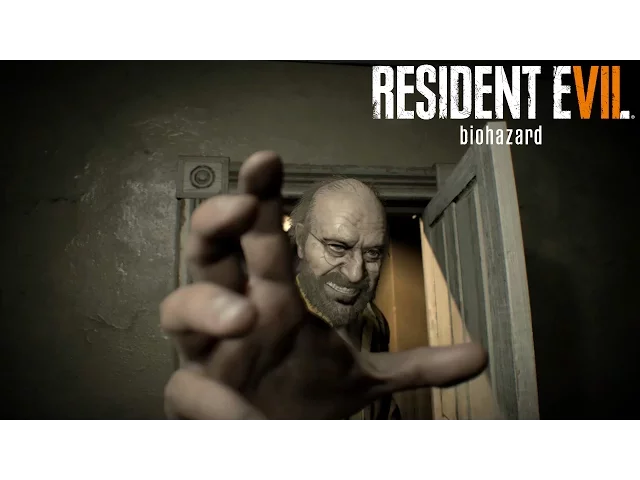
The most terrifying entry in the series. Resident Evil 7 is pure horror, with every element designed to send chills down the player’s spine. The photorealistic graphics make the Baker family’s grim estate feel like a real place. The performances behind the antagonists rival those in the best horror films, while the unforgiving gameplay pushes the tension to its limit: exploring a dark basement becomes much more frightening when there are only two shells left in the shotgun.
Resident Evil 2
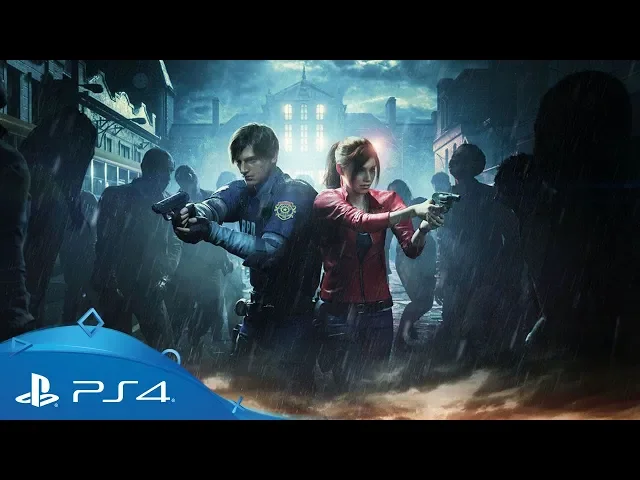
A perfect example of how to combine the new with the old. At first glance, the Resident Evil 2 remake is a modern game with a third-person camera, impressive graphics, and excellent cutscenes. At the same time, the updated RE2 remains faithful to its old-school roots: its level design, limited-resource management, and focus on puzzles all come directly from the original.
The developers refused to sacrifice the essence of the source material out of fear that modern audiences would reject its classic gameplay. Players did anything but: the Resident Evil 2 remake became one of the most successful releases in the series.
SIGNALIS
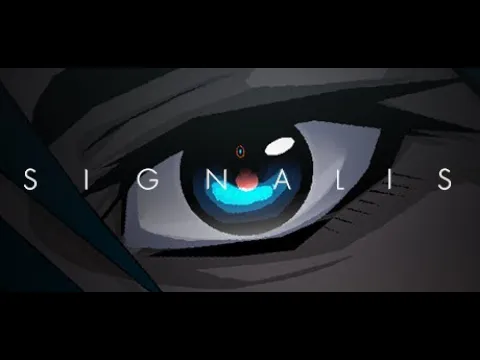
Inspired by classic horror games from the late 1990s, SIGNALIS is perhaps the finest indie take on the old Resident Evil and Silent Hill formula. There is no shortage of reasons to praise it: the pixel-art aesthetic, the layered story that people will probably still be discussing a decade from now, and, most importantly, the gameplay. Its secret-filled locations are fascinating to explore, while plotting efficient routes around monsters becomes a pleasure in its own right.
Crow Country
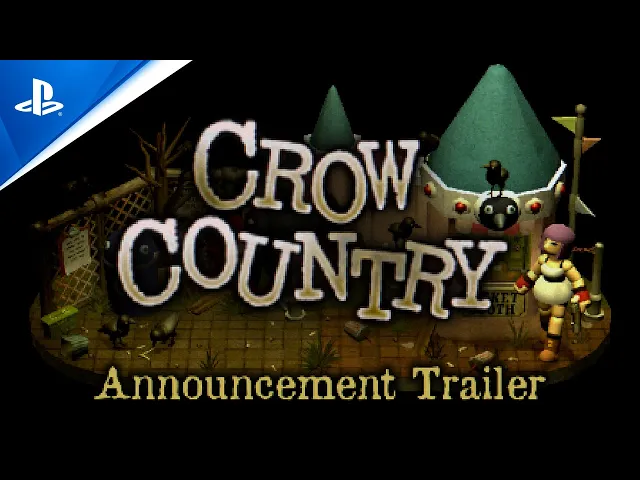
The year is 1990. Edward Crow, the mysterious owner of an amusement park, disappeared two years ago — and no one has discovered why. A young woman named Mara Forest enters the abandoned park in search of answers.
Crow Country is a small masterpiece: PS1 aesthetics, fixed camera angles, ammo and health-item management, and intricate levels that require plenty of backtracking — everything people love about the classics, only without their outdated mechanics. For anyone who finds the RE2 remake too “modern,” Crow Country is the perfect alternative. It takes around 4–6 hours to complete, costs next to nothing, and leaves a stronger impression than many far more expensive games.
Tormented Souls 2
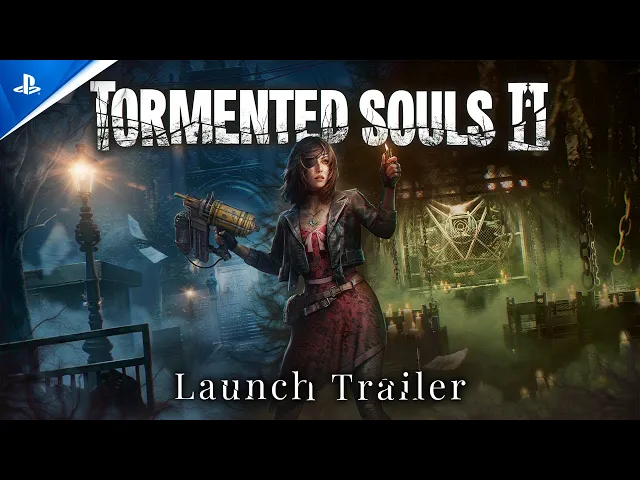
A small team from Argentina has now released two survival horror games that recapture the magic of Capcom and Konami’s genre classics from the 2000s. Tormented Souls 2 continues Caroline Walker’s story in the decaying town of Villa Hess. Fixed camera angles, limited resources, labyrinthine locations, and punishing puzzles — this is an unadulterated tribute to the classics with no attempt to chase modern trends.
While the original Tormented Souls proved that the formula still worked, the sequel refined it to near perfection. Both games are worth playing back to back.
System Shock 2: 25th Anniversary Remaster
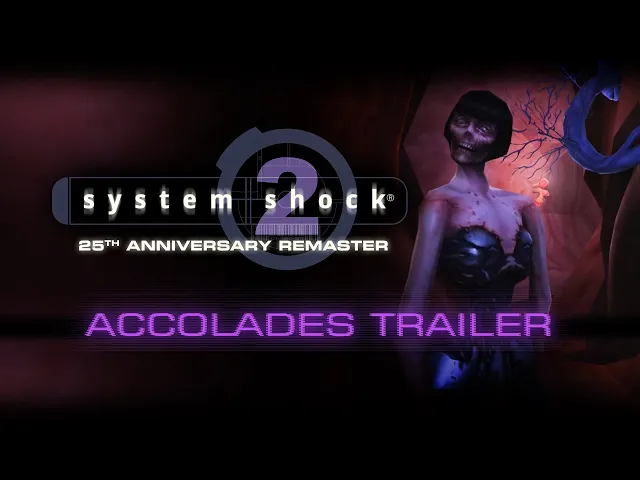
Science-fiction horror games remain a rarity, which means even older titles such as System Shock 2 retain considerable value for fans of futuristic horror. In 2025, Nightdive Studios released a full remaster, System Shock 2: 25th Anniversary Remaster, making the classic available in updated form not only on PC but also across every modern console.
The game never holds the player’s hand, forcing them to adapt independently to the harsh survival conditions aboard the Von Braun starship. Every encounter with its deadly cyborgs demands careful planning, while limited resources often make it wiser to search for an alternate route than risk a direct confrontation.
Cronos: The New Dawn
After remaking Silent Hill 2, Bloober Team turned its attention to an original survival horror game — one with considerably more action than its previous projects. The Traveler, as the protagonist is known here, moves between a scorched future and the Polish district of Nowa Huta in the 1980s: concrete apartment blocks, a steel mill, smog, and biomass gradually consuming the entire area. Sometimes the industrial landscape alone is enough to make players expect an attack from around the nearest corner.
The combat system’s defining feature is the merging mechanic. A dead monster should ideally be burned; otherwise, another creature can absorb its remains and become significantly more dangerous. Fuel, ammunition, and other resources are always in short supply, forcing players to decide which enemy to kill first, which corpse to burn, and which confrontation to avoid entirely. Opinions on the game were divided: in our Cronos: The New Dawn review, we criticized its story and derivative elements, but Steam users gave the horror game a much warmer reception, with 88% positive reviews.
The Evil Within
In The Evil Within, Resident Evil creator Shinji Mikami combined his own ideas with influences from other famous horror games. The village, complete with pitchforks and chainsaws, recalls Resident Evil 4, while the Keeper, with a safe in place of a head, resembles Pyramid Head from Silent Hill 2. These elements are bound together by the grimy surrealism of a world that constantly shifts according to the logic of a nightmare: locations flow into one another, leaving players unable to predict what awaits the protagonist behind the next door.
On higher difficulty settings, the game becomes particularly brutal. Ammunition is always scarce, the protagonist dies after only a few hits, and a failed encounter can send the player a long way back. Ultimately, it is not just the monsters that inspire fear, but also the prospect of having to replay an already familiar section.
Labyrinth of the Demon King
A grindhouse-inspired dungeon crawler created almost single-handedly by developer Jacob R. Hudepohl. An unnamed soldier travels through a nightmarish version of feudal Japan in search of the Demon King. Its PS1-style graphics are paired with deliberately unpleasant sound design: wet squelching underfoot, the scraping of weapons, and heavy breathing whose source is not always easy to locate.
Combat takes place primarily at close range. Stamina drains quickly, enemies punish missed attacks, and the next turn may conceal either a useful item or another trap. The retro aesthetic does not disguise a lack of detail; instead, it makes the labyrinth feel even more hostile. The game remained a niche release, but it found its audience, with 92% positive reviews on Steam.
Best Psychological Horror Games
Psychological horror games frighten players in a different way — not with monsters behind doors, but with what is happening inside the protagonist’s mind. These are games about the blurred line between reality and insanity, the loss of one’s identity, and the realization that the most terrifying enemy lives within. Many of these titles linger in the memory far longer than any jump scare because they ask questions with no simple answers. This is only the tip of the iceberg: we have a separate ranking of psychological horror games featuring 15 more titles.
Eternal Darkness: Sanity's Requiem
Many games inspired by H. P. Lovecraft fail to capture the true essence of cosmic horror. His works are not stories about defeating monsters, but about humanity’s insignificance in a boundless, hostile universe. Eternal Darkness is one of those rare games whose creators understood Lovecraft better than almost anyone else. For more titles in the same vein, do not miss our selection of the best games inspired by Lovecraft.
Eternal Darkness: Sanity's Requiem conveys the loss of sanity through its metanarrative: as the characters encounter increasingly disturbing phenomena, the fourth wall begins to crumble. Strange things happen not only to the protagonist, but also to the player — from the volume suddenly dropping to a fake console reboot. Such tricks remain rare in horror games, and even after more than twenty years, they have not aged at all.
Layers of Fear
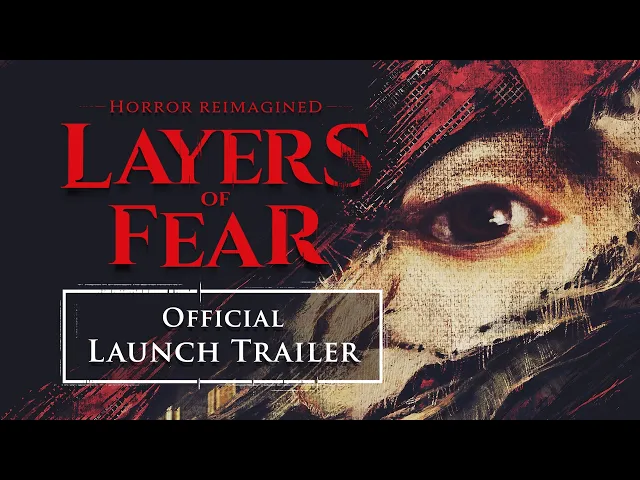
Polish studio Bloober Team made a name for itself with this game long before the Silent Hill 2 remake. Layers of Fear is a first-person psychological horror game about a painter descending into madness: the Victorian mansion constantly shifts around him, corridors lead somewhere they should not, and paintings transform before his eyes.
The 2023 reimagining combines the original game and its sequel into a single, reworked experience built on Unreal Engine 5 and featuring ray tracing. If you missed the 2016 original, this is the best way to catch up.
Still Wakes the Deep
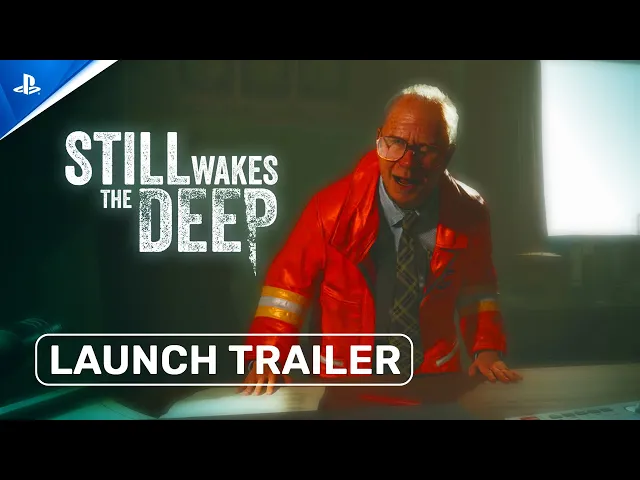
An oil rig in the North Sea, the year 1975, a Scottish crew, and something rising from the depths — that is the setup for this horror game from The Chinese Room, the studio behind Amnesia: A Machine for Pigs. Still Wakes the Deep focuses less on gameplay than on atmosphere and characters. Its short 4–5-hour runtime is still long enough to form a genuine attachment to the crew — which is precisely why everything that happens to them hits so hard.
This is not a game about shooting or survival in the traditional sense, but about escaping from a trap with no apparent way out. The narrow corridors of a sinking oil rig and Lovecraftian body horror make a perfect combination.
SOMA
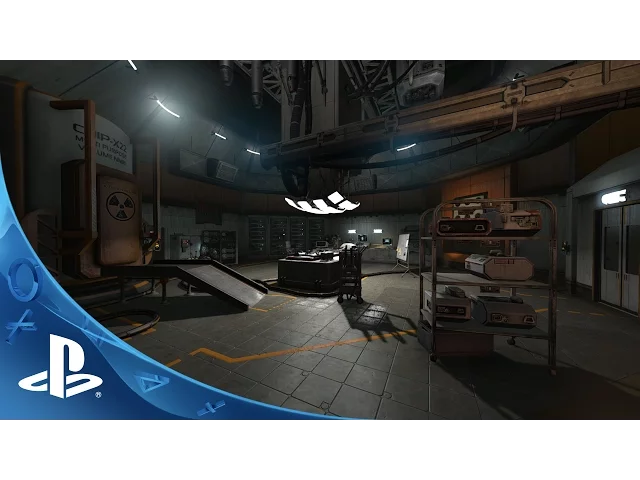
Anyone who appreciates thought-provoking philosophical stories should not miss SOMA under any circumstances. It is a frightening game, but not in the traditional sense: unlike Frictional’s other projects, the real source of fear is not a monster waiting around the corner. Instead, the horror comes from the narrative itself and the themes explored by the writers — particularly the loss of personal identity and the question of what actually makes us human.
Alan Wake 2
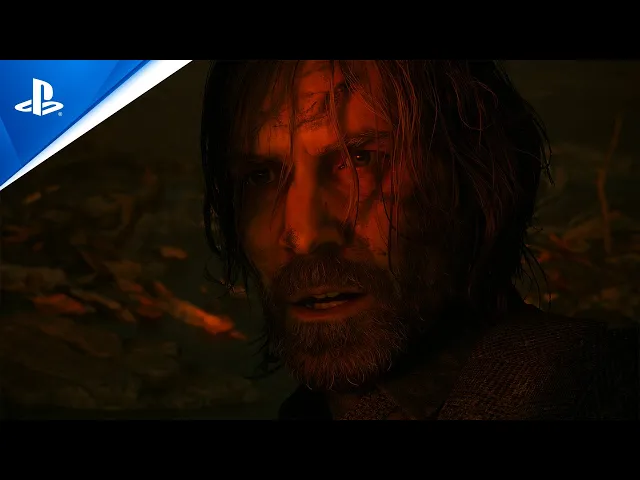
Remedy’s first full-fledged horror game is difficult to call especially frightening, but it is certainly unusual and atmospheric. Alan Wake 2 stands out for its unique approach to storytelling: it tells a strange tale in which the boundary between reality and the author’s imagination becomes so blurred that even game director Sam Lake is woven into the plot — playing three characters at once, including himself.
Alan Wake 2 is not merely a narrative experiment, but also a well-crafted survival horror game with memorable locations, unsettling enemies, and the resource management traditionally associated with the genre.
Observer: System Redux
Observer: System Redux takes place in Kraków in 2084. Detective Daniel Lazarski receives a message from his missing son and travels to an aging apartment building, which is placed under lockdown almost immediately. Lazarski is an “Observer,” capable of connecting to other people’s neural implants and entering their minds. During these sessions, he experiences their memories and fears: corridors transform before his eyes, the image glitches, and certain scenes repeat over and over again. There are few monsters here. More often, the game creates fear by leaving players unsure whether the latest hallucination has actually ended. Lazarski is voiced by Rutger Hauer.
MADiSON
One of the most successful games inspired by P.T., the teaser for the canceled Silent Hills. The protagonist, Luca, regains consciousness in a locked room with blood covering his hands. He soon discovers an instant camera that becomes his main tool for solving puzzles and communicating with the supernatural world. An empty corner may appear completely safe, only for an unfamiliar silhouette to emerge in the developed photograph.
There are plenty of jump scares, but they are not the game’s only source of fear. Before the next sudden shock, the developers may force players to spend a long time walking through familiar corridors, peering into the darkness through the viewfinder, and waiting for a photograph to develop. The camera intensifies this effect: to solve a puzzle, the player cannot simply look away from a dark corner, but must examine it through the viewfinder and take a picture. The game has 87% positive reviews on Steam.
Best Action Horror Games
Action horror is a hybrid genre for those who want not only to feel afraid, but also to fight back. Fear does not rule out combat encounters: the protagonist has weapons, plenty of ammunition, and the ability to defend themselves — but that does not make these games any less frightening. On the contrary, the intensity of combat strengthens the atmosphere, while the quiet moments between firefights often prove scarier than the battles with monsters themselves.
Resident Evil Requiem
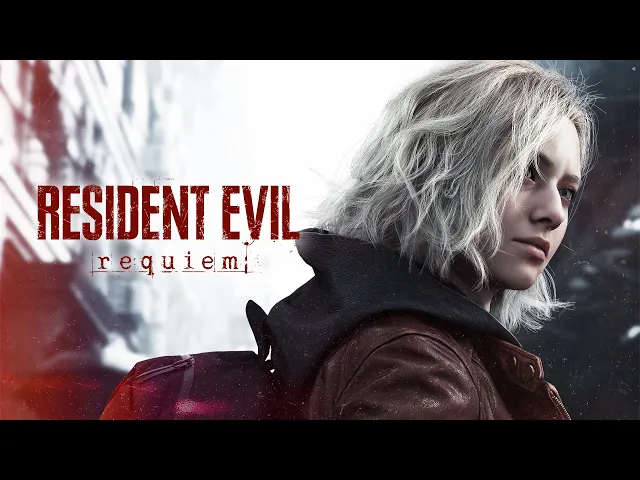
The ninth entry in the series, released in February 2026, marks the return of Leon Kennedy — his first appearance since Resident Evil 6, not counting the remakes. Alongside the fan favorite, Capcom introduced an entirely new protagonist to the series in Resident Evil Requiem — Grace Ashcroft.
RE9 is a genuine gift to fans, as we explained in our Resident Evil Requiem review. The game is packed with nostalgic moments, especially in its second half, when the protagonists arrive in Raccoon City. Incidentally, the project was directed by the game director behind Resident Evil 7, so it is hardly surprising that the ninth installment turned out to be rather frightening — its terrifying zombies alone are enough to prove it. Leon’s sections, however, are pure action horror, complete with high-octane sequences in the style of RE4.
F.E.A.R.
During firefights, the first F.E.A.R. is a fast-paced and extremely spectacular shooter with intelligent enemies, powerful weapons, the ability to slow down time, and impressive visual effects. But as soon as the gunfire dies down, F.E.A.R. immediately transforms into an unsettling horror game filled with disturbing visions — such as the sudden appearance of a mysterious ghostly girl. The tone constantly shifts, yet the game handles these transitions with surprising elegance.
Condemned: Criminal Origins
Monolith released F.E.A.R. and Condemned: Criminal Origins at almost the same time, but the two games turned out completely different. Instead of firefights and slow-motion abilities, Condemned offers narrow corridors and combat fought primarily at close range. FBI agent Ethan Thomas investigates a series of murders while making his way through abandoned houses, subway stations, and a department store. Weapons must be found on the spot: pipes, planks, sledgehammers, and fire axes all come into play. Every blow feels heavy, while enemies can block attacks and retaliate at the right moment.
Most of the enemies are deranged people. They hide around corners, retreat into the darkness, and wait for Ethan to come closer. As a result, even an apparently empty room must be searched with caution. The department store sequence is especially memorable, with living enemies hiding among rows of motionless mannequins.
The game was removed from sale on Steam and the Xbox Store in the fall of 2025, so the only option now is to search for keys from third-party retailers.
Resident Evil 4 (original)

One of the greatest action games in video game history — and a full-fledged horror experience that managed to turn the genre on its head. Resident Evil 4 abandoned fixed camera angles in favor of dynamic third-person gunfights, establishing standards that the genre continues to follow today. The famous opening village, where Leon fights off hordes of Ganados, Salazar’s traps, and the island filled with heavily armed zombies are iconic moments remembered even by those who played RE4 twenty years ago.
A remake arrived in 2023, and it is also excellent — more on that below. But the original remains worth playing, if only to understand which game gave modern action horror so many of its best ideas.
Dead Space
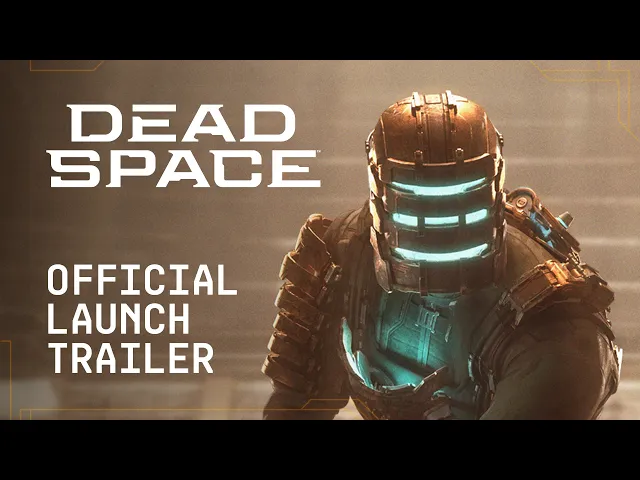
Motive approached the Dead Space remake much like Capcom once approached its reimagining of the first Resident Evil: it rebuilt the original with modern graphics, cutting nothing and only adding to it. The level design became more interesting, an AI director introduced greater unpredictability to each playthrough, and the developers even added side quests that were absent from the original. This is arguably exactly how remakes should be made.
Dead Space 2

The sequel to Dead Space is not as terrifying as the first installment or its remake, but it is difficult to name another game that combines horror and action more successfully. Dead Space 2 stands out for the versatility of its arsenal, the variety of its enemies, and the sheer scale of everything happening on screen. It is the Hollywood blockbuster of horror games — and that is precisely why players still value it so many years later.
The Evil Within 2
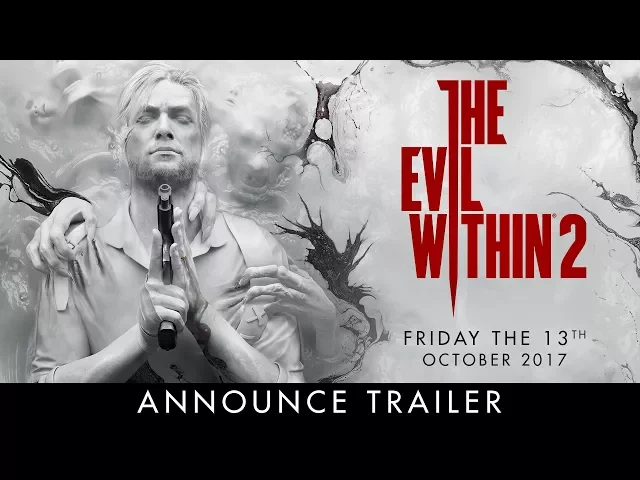
The developers learned from the first game’s mistakes and produced a strong sequel that, unlike its predecessor, never feels derivative. The Evil Within 2 experiments with an open-world structure — something horror games rarely attempt. Its locations are considerably larger than those found in conventional horror titles, and they are filled with secrets and side quests. It is an excellent choice for anyone curious to see whether horror and open worlds are truly compatible.
Resident Evil Village
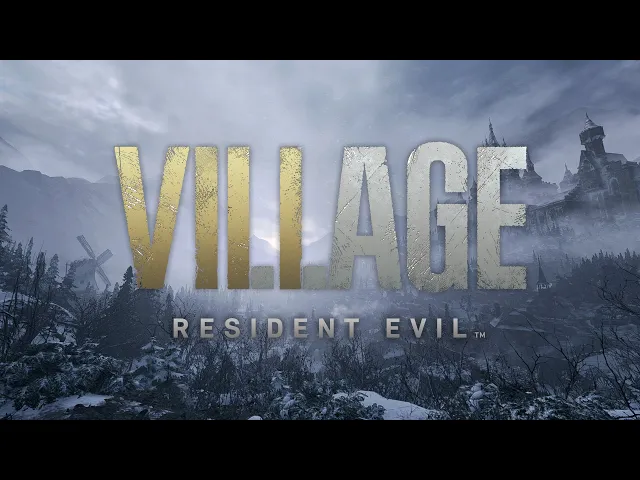
The eighth Resident Evil feels like a greatest-hits collection. Resident Evil Village draws inspiration from several different installments: it inherits the first-person camera and blocking mechanic from the seventh game, while its inventory system and merchant mechanics come from the fourth. For anyone who has never played the series, Village is a perfectly valid starting point: the well-crafted eighth installment has something to offer both veterans and newcomers.
Resident Evil 4
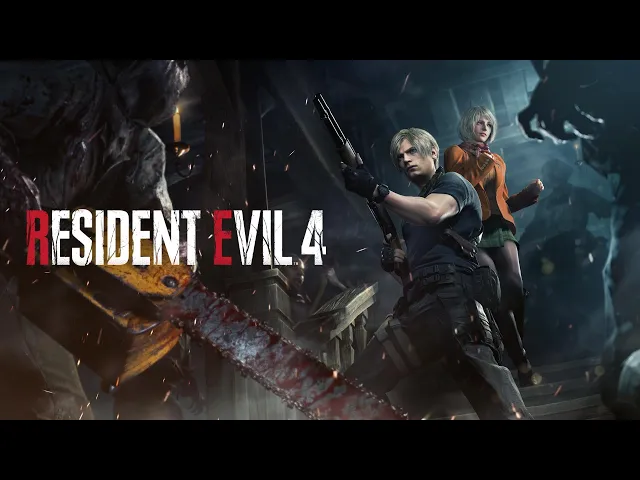
A significant number of fans of the original were hostile to the very idea of a remake. But the updated Resident Evil 4 demonstrated that this modernization was justified. The new RE4 became even more dynamic thanks to modern controls, intelligent enemies, and new mechanics such as parrying attacks with the knife. The expanded locations are more interesting to explore, while the remake’s more mature tone strengthens the horror elements that were somewhat lacking in the original.
Best Stealth Horror Games — Hide, Don’t Fight
Stealth horror is the most nerve-racking subgenre of horror games. There are no weapons — almost none, at least, since exceptions occasionally exist — and no chance of winning a direct confrontation. There are only disturbing shadows, held breaths, and the hope that the monster will pass by. These games make players truly understand what it means to be prey. A vulnerable protagonist is not a design flaw, but a carefully calibrated tool for creating maximum tension.
Clock Tower: Rewind
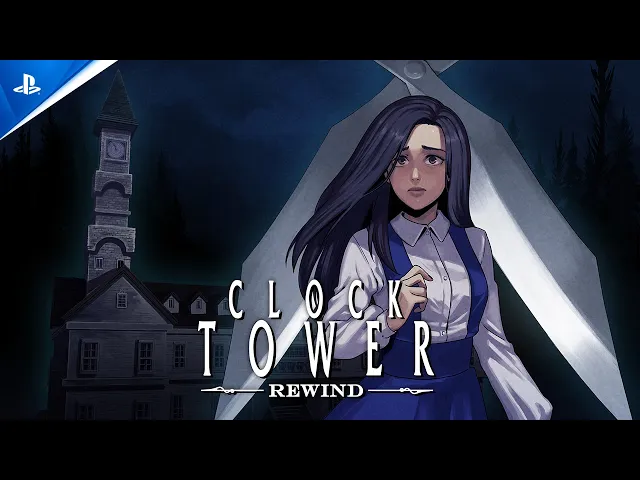
One of the first horror games built not around fighting monsters, but around surviving, hiding, and making quick decisions. The protagonist of Clock Tower must avoid a terrifying pursuer armed with an enormous pair of scissors. Scissorman can appear in any room of the mansion at the most unexpected moment, making it practically impossible to relax even for a second.
Clock Tower is the forebear of games about vulnerable protagonists, where stealth rather than a handgun serves as the player’s primary weapon. Despite its age, it remains remarkably stressful, especially when played through the recent re-release Clock Tower: Rewind.
Amnesia: The Dark Descent
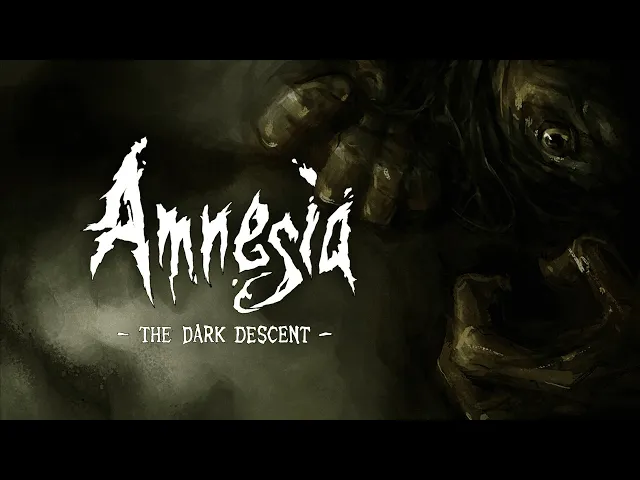
The original Amnesia almost single-handedly breathed new life into a stagnating horror genre — the boom in first-person indie horror began in its wake. The game also brought the concept of a vulnerable protagonist who cannot fight back into the mainstream. Amnesia remains compelling thanks to its unmistakable atmosphere and sanity meter, which drains whenever the player spends too long in darkness.
Outlast
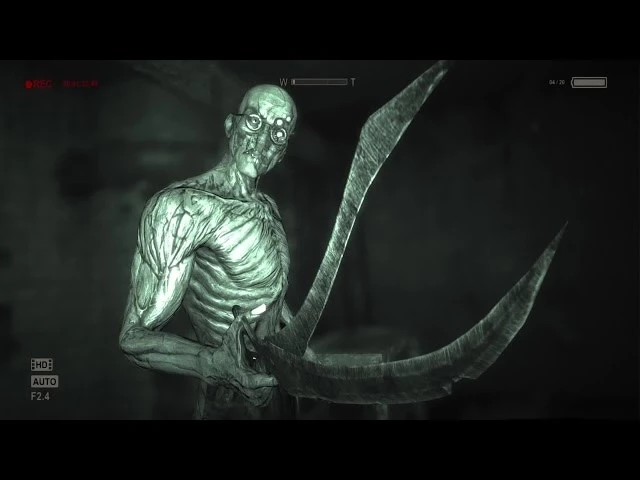
There is a reason Red Barrels’ project is frequently described as one of the most frightening games ever made. In Outlast, as in Amnesia, the protagonist cannot fight back against anyone. He must avoid the inhabitants of an abandoned psychiatric hospital, relying entirely on stealth and luck.
The need to constantly use a video camera’s night-vision mode to see anything in the darkness makes the experience even more nerve-racking. Visibility remains severely limited, while the camera’s battery must be conserved. Outlast is not a game for anyone who suffers from claustrophobia.
If you want more of that hide-and-seek dread, see our list of games like Outlast.
Outlast 2
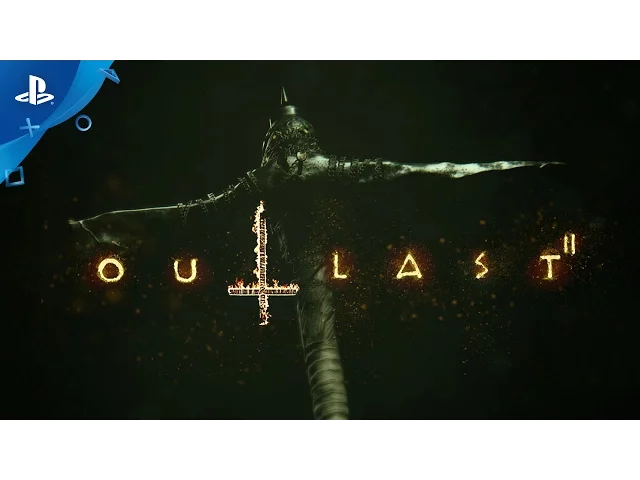
It may not be as impressive as the first game, but Outlast 2 unquestionably deserves attention. The sequel completely changes the setting: the psychiatric hospital gives way to the vast cornfields of Arizona and a hostile religious cult. The protagonist is a journalist searching for his missing wife. As before, he has no weapons whatsoever.
While the original Outlast drew its fear from the claustrophobia of narrow corridors, the sequel somehow manages to turn even open spaces into a source of terror. Hiding among the corn when it is impossible to see more than a few feet ahead is no less frightening than navigating a dark hospital.
Fatal Frame 2: Crimson Butterfly Remake
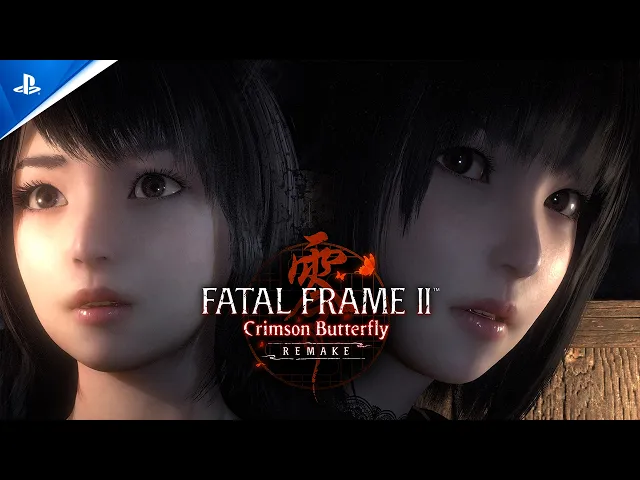
Fatal Frame 2: Crimson Butterfly is still regarded as one of the greatest horror games ever made. Its story of two sisters trapped in a cursed village is Japanese psychological horror at its finest, permeated by a profound sense of despair and melancholy.
The main weapon is a camera. Evil spirits cannot be killed with bullets; they can only be captured through the lens at the right moment. This creates incomparable tension: defeating a monster requires allowing it to come as close as possible. A full remake with completely reworked graphics was released in March 2026, providing the perfect way to experience this classic.
Alien: Isolation

The game that proved a genuinely terrifying Alien horror experience was possible. Alien: Isolation frightens players not with hordes of creatures, but with a single invincible and highly intelligent enemy. The monster adapts to the player’s tactics and hunts like a living, thinking predator. Survival depends on stealth and limited resources, which can be used to distract the Alien or drive it away temporarily.
Alien: Isolation is so exceptional that it directly inspired the film Alien: Romulus.
Amnesia: The Bunker
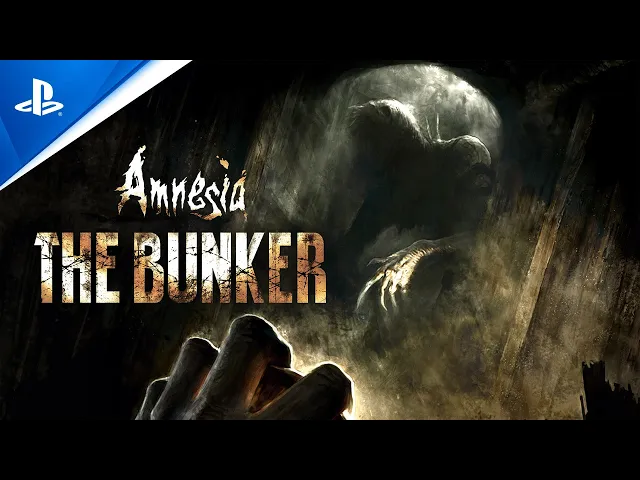
Like Alien: Isolation, Amnesia: The Bunker is built around claustrophobia and confrontations with a monster that constantly adapts to the player’s actions. It is difficult to imagine a bleaker horror setting than a dark bunker from the First World War. In gameplay terms, The Bunker pushes the genre forward through immersive sim elements: every locked room can be entered in several ways — by finding a key, crawling through a ventilation shaft, or blowing up the door with a grenade.
Best Japanese and Asian Horror Games
Asian horror follows a different tradition from its Western counterpart: instead of a monster with a chainsaw, there is wet hair hanging across a face, floorboards creaking inside an empty school, and spirits that cannot be killed — only appeased or deceived. Japanese, Taiwanese, and Korean horror games rely on ambiguity and supernatural forces intruding into everyday life, which is precisely why they get under the skin so effectively. Classics such as Fatal Frame 2 and the Silent Hill and Resident Evil series have already appeared above; this section covers the games every fan of Asian horror should know.
Detention
The story takes place in 1960s Taiwan during the period of martial law and the White Terror. Two students regain consciousness inside an abandoned school that is gradually overrun by spirits from local folklore. Some must be avoided by hiding, while passing others requires holding one’s breath. Fighting them is impossible, so the protagonists spend most of their time exploring classrooms, solving puzzles, and trying to understand what happened.
Through notes, memories, and changes to the school itself, Detention tells a story about banned books, informants, and people whose lives were destroyed by political repression. Ultimately, the actions of ordinary people prove more terrifying than any ghost. The game has 96% positive reviews on Steam and is now deservedly regarded as one of the defining works of Asian horror.
White Day: A Labyrinth Named School
On the eve of White Day, high school student Hui-min Lee sneaks into his school to leave a gift for a girl he likes. The doors soon lock, ghosts begin appearing throughout the building, and a janitor armed with a baseball bat starts patrolling the corridors. He reacts to noise and lights left on, so the only options when he appears are to run or hide.
The puzzles draw on Korean superstitions, Taoist symbols, and the principles of feng shui. Saving follows the tradition of old survival horror games: it requires single-use felt-tip pens and school notice boards. Dialogue choices affect relationships with the other students and determine which of the 9 endings the player receives. The remake, released in the West in 2017, remains the most accessible way to experience this Korean classic.
Ib
A girl named Ib visits an art exhibition with her parents, but soon finds herself alone in the gallery. The halls begin to transform: paintings watch the protagonist, sculptures step down from their pedestals, and illustrated creatures crawl out of their frames. Ib cannot fight, leaving her to solve puzzles and protect a red rose whose petals represent her health.
The pixel graphics do not prevent the game from being frightening. On the contrary, the simple imagery leaves plenty of room for the imagination, while the young protagonist’s helplessness makes everything happening around her even more disturbing. The 2022 remake updated the graphics, music, and several puzzles while preserving the original’s atmosphere. It has 98% positive reviews on Steam.
Corpse Party
A group of students performs a ritual intended to preserve their friendship forever, but instead they are transported to the cursed Heavenly Host Elementary School. The protagonists are separated across different versions of the building, where the spirits of murdered children roam the halls. To escape, they must uncover the school’s history and avoid sharing the fate of its previous victims.
The simple graphics are paired with detailed descriptions of gruesome scenes and binaural audio. Whispers come from the side, footsteps can be heard behind the player, and the source of a noise often remains somewhere beyond the screen. The bad endings are especially memorable: certain mistakes can kill the characters long before the finale. The 2021 version includes the main story and additional chapters, making it the best place to start.
Yomawari: Midnight Shadows
After a fireworks festival, friends Yui and Haru become separated on their way home. The game alternates between the two protagonists as they search for each other through the streets of a town at night. These places would look completely ordinary during the day, but after sunset, the courtyards, alleys, and vacant lots fill with spirits from Japanese folklore.
The girls have no weapons. They must flee from ghosts, hide in bushes, and distract them with items found along the way. A heartbeat warns of approaching danger: the closer the spirit gets, the faster the screen pulses and the louder the sound becomes. The childlike artwork and tiny protagonists contrast sharply with what they encounter at night, while some episodes prove considerably more brutal than anyone might expect from such an outwardly charming game.
Best Indie Horror Games
Independent studios have long been the horror genre’s leading innovators. Indie developers are the ones who find unconventional ways to create fear — whether through a sinister forest viewed from above, a morgue infested with demons, or a haunted house that remembers its dead. These games prove that budget is not the deciding factor when creators have a strong idea and understand what people are truly afraid of.
Little Nightmares

A little girl in a yellow raincoat is trapped aboard an enormous vessel that doubles as a restaurant, where she is hunted by grotesque giant chefs and ravenous guests. This premise alone easily earns Little Nightmares a place among the most unsettling and atmospheric horror games of the decade. Its fear comes from contrast: a tiny, fragile protagonist against enormous, misshapen enemies — a disparity that leaves a powerful impression.
Little Nightmares 2
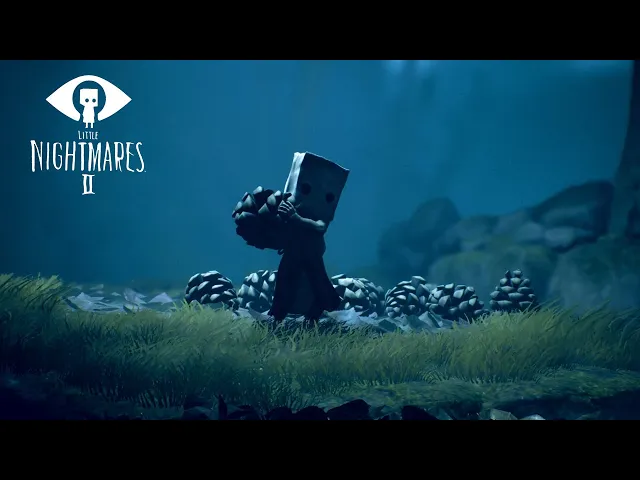
Many consider Little Nightmares 2 better than the original — and with good reason. Instead of a single heroine, there are now two protagonists: a boy named Mono and the familiar girl in the yellow raincoat. The setting expands from one vessel to an entire dark city, complete with a hospital, a school, and a signal tower, each location more frightening than the last.
The sequel adds combat mechanics and greater variety to its levels without sacrificing the series’ distinctive sense of fragility and vulnerability. The ending leaves a powerful impression — quiet, wordless, and unforgettable.
Scorn
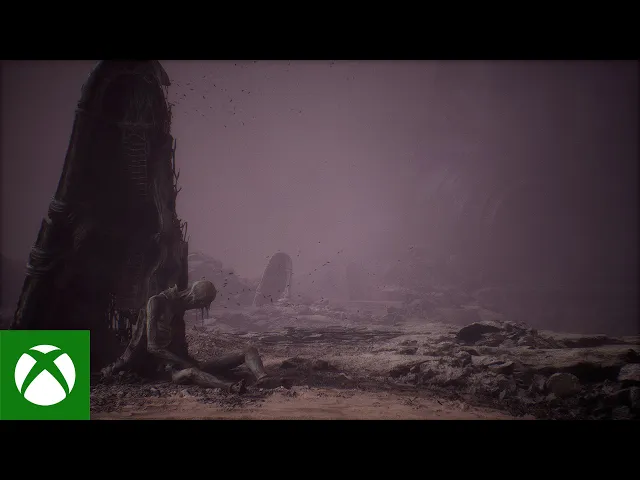
No dialogue. No explanations. No narrative in the conventional sense — only a biomechanical nightmare inspired by Hans Ruedi Giger. Scorn is less a game than an interactive art installation, complete with alien architecture made from flesh and bone, weapons that look like parts of a living body, and the persistent feeling that the player is an unwanted guest in a world actively rejecting them.
The gameplay is nothing remarkable, but anyone drawn to Scorn’s aesthetic is likely to remember the game for a long time.
Darkwood
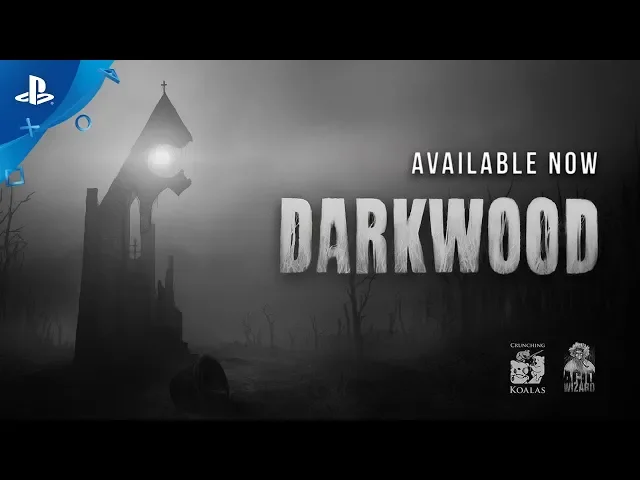
Darkwood drops the player into a sinister forest with no specific objective beyond “find the stolen key and escape.” During the day, the surrounding area must be searched for as many supplies as possible. The player then has to hurry back to the shelter before nightfall, when dark entities begin to emerge.
Darkwood clearly demonstrates that games do not need cutting-edge graphics to inspire fear. Its simple visuals are offset by an ingenious gameplay decision: players can see only the monsters caught within the beam of their flashlight. All the suspense is built around a sense of paranoia.
Visage
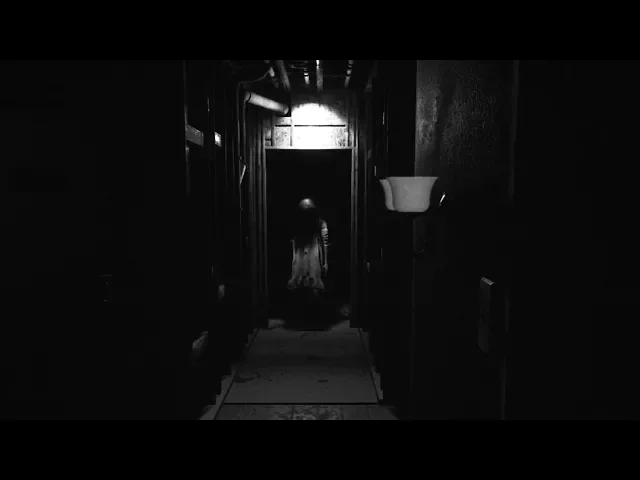
An indie horror game that grew out of the ideas introduced by P.T. and became one of the genre’s most atmospheric entries. In Visage, players explore a vast, constantly changing house whose walls conceal stories about the tragic fates of its former residents. Each chapter focuses on a different character and offers a distinct atmosphere, ranging from traditional ghost horror to outright psychological terror.
Visage does not rely on jump scares to frighten the player; the setting itself applies the pressure. The house follows its own rules, and the longer one remains inside, the more difficult it becomes to distinguish reality from illusion.
The Mortuary Assistant
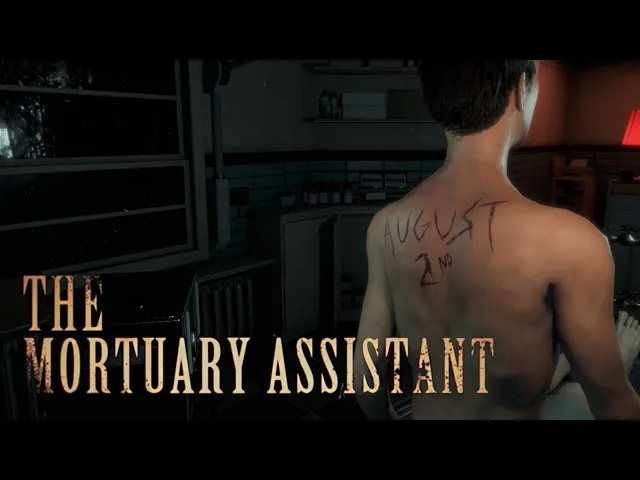
A horror game built around an extremely original premise. The player assumes the role of a mortuary worker called in for a night shift. The task is to prepare several bodies for burial while determining which one is harboring a demon. The process is slow and incredibly frightening: the developers created hundreds of disturbing events that The Mortuary Assistant can trigger at random.
Mouthwashing
The cargo ship Tulpar collides with an asteroid and loses control. Its five crew members remain trapped inside with dwindling food supplies and a cargo hold containing tons of mouthwash. Mouthwashing alternates between events before and after the disaster. At first, the cause of the crash appears obvious, but each new episode changes the player’s understanding of both what happened and the characters themselves.
The game takes 2–3 hours to complete and makes almost no attempt to frighten players with conventional monsters. The real threat comes from people who realize that help is not coming and gradually stop hiding the truth from one another. Low-poly PS1-style graphics, body horror, and the theme of guilt have made Mouthwashing one of the most notable indie horror games in recent years. It has 95% positive reviews on Steam. Anyone who gets stuck on its puzzles can consult our Mouthwashing walkthrough.
Look Outside
Something inexplicable is happening beyond the windows of an apartment building. Anyone who dares to look outside transforms into a monster. The protagonist remains inside his apartment, but supplies quickly run out, forcing him to venture into the stairwell and explore other floors inhabited by his mutated neighbors.
Look Outside combines survival horror with a turn-based RPG. During expeditions, the protagonist gathers food and weapons, fights monsters, and meets survivors, some of whom can be offered shelter in his apartment. The game has 98% positive reviews on Steam and a Metacritic score of 83.
Five Nights at Freddy's
The first Five Nights at Freddy's launched a franchise that went on to produce books, films, mountains of merchandise, and countless imitators. A night guard at a pizzeria sits inside a small office and monitors the animatronics through security cameras. Two doors and lights in the adjacent corridors provide some protection, but every action consumes the building’s limited power supply.
Keeping the doors closed at all times is impossible, so players must switch between cameras, remember the animatronics’ positions, and listen for sounds beyond the office. A jump scare is not merely a random attempt to frighten the player, but a punishment for missing a movement or wasting too much energy. The hidden story proved equally important: the first game scattered clues across phone messages and newspaper clippings, while its sequels turned them into a tangled narrative that fans have spent more than a decade deciphering.
FAITH: The Unholy Trinity
America in the 1980s, at the height of the Satanic Panic. A young priest named John Ward returns to a house where an exorcism ended in failure one year earlier. His only defense against demons is a crucifix, which can also cleanse cursed objects and reveal hidden notes. Most of the time, FAITH looks like an Atari 2600 game: a handful of colors, angular sprites, and almost empty locations. This makes the rotoscoped sequences even more striking, as the possessed suddenly begin moving with unnatural, unsettling fluidity. The experience is completed by voices processed through vintage speech synthesizers and altered recordings of real exorcisms. The game has 95% positive reviews on Steam.
Iron Lung
A tiny submarine, an ocean of blood on a lifeless moon, and a mission to reach several locations blindly by following a set of coordinates. The viewing port has been welded shut because of the pressure, so navigation depends on an incomplete map, proximity sensors, and sounds coming from beyond the hull. The only way to see what is happening outside is through grainy photographs taken by an external camera.
Iron Lung takes less than an hour to complete and unfolds almost entirely inside a single cramped cabin. For most of that time, nothing happens: the submarine creaks, its instruments provide minimal information, and each new photograph slowly develops on the screen. This emphasis on waiting and the inability to properly see one’s surroundings made the game one of the most famous minimalist horror titles of recent years.
World of Horror
A roguelite built around investigations and turn-based combat, drawn entirely in MS Paint. Strange events begin unfolding in a Japanese seaside town: cultists emerge, students disappear, and creatures clearly inspired by Junji Ito’s manga crawl out of the sea. Each playthrough involves investigating several randomly selected cases, meaning that events, enemies, and discovered items constantly change.
The black-and-white graphics make almost no use of animation, but the detailed monster designs easily compensate for this limitation. As the protagonist searches for clues, the Doom meter steadily rises, bringing an ancient god closer to awakening. This makes even a routine investigation of a suspicious location feel risky. World of Horror has 90% positive reviews on Steam.
Fears to Fathom
A series of short episodes, each presented as the account of someone who survived a dangerous situation. A teenager stays home alone, a woman spends the night at a roadside motel after her car breaks down, and a fire lookout notices strangers in the forest. There are no demons — the threat almost always comes from ordinary people.
Fears to Fathom creates fear not through constant chases, but through anticipation. The protagonists complete ordinary chores, receive messages on their phones, and gradually notice strange details: an open door, an unfamiliar car, or a silhouette outside the window. The VHS filter and deliberately mundane presentation only strengthen the effect. These stories are easy to imagine happening in real life, so after finishing an episode, players may continue listening for noises inside their own homes.
Cry of Fear
A full-length horror game that grew out of a mod for the original Half-Life — and remains one of the scariest free games on Steam. After a traffic accident, a young man named Simon regains consciousness in a city at night and tries to make his way home. His phone’s flashlight serves as the primary source of light: it can be held alongside a one-handed weapon, but using a shotgun or rifle leaves the protagonist in darkness.
Cry of Fear combines gunfights with distorted sounds, abrupt enemy appearances, and deliberately twitchy animations. Behind the monsters, however, a story about depression, loneliness, and self-loathing gradually emerges. The game has 89% positive reviews on Steam and can be downloaded for free.
Lost in Vivo
During a heavy rainstorm, the protagonist’s service dog is swept into a damaged storm drain. Saving it requires descending into the sewer system, which soon begins to change: familiar tunnels give way to rusted corridors, walls of flesh, and places bearing no connection to municipal infrastructure.
Lost in Vivo is clearly inspired by Silent Hill — a radio warns of approaching monsters, while much of the story is hidden in the environment and scattered notes. The game is particularly effective at exploiting the fear of confined spaces. Passages gradually narrow, ceilings become lower, and certain sections must be crossed almost blindly. Even when a tunnel appears empty, turning back never feels appealing. The game has 91% positive reviews on Steam.
Murder House
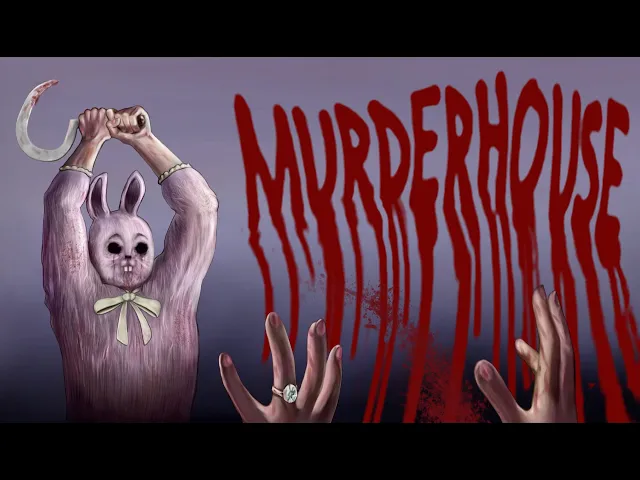
A VHS slasher from Puppet Combo styled after both low-budget horror films from the 1980s and survival horror games from the original PlayStation era. A local television crew enters the abandoned home of executed serial killer Anthony Smith, better known as the Easter Ripper. The journalists intend to film a story about ghosts, but quickly discover that the murderer may still be alive.
Murder House uses fixed camera angles, tank controls, and a limited supply of pencils for saving — much like the early Resident Evil games. Meanwhile, the killer roams the house, forcing players to hide and listen for footsteps beyond each door. The VHS filter, synthesizer soundtrack, and deliberately excessive gore complete the stylization. The game has 95% positive reviews on Steam.
At Dead of Night
A student named Maya becomes trapped inside a remote hotel run by the psychopathic Jimmy Hall. He has tied up her friends and now patrols the corridors with a bat, searching for Maya herself. At Dead of Night was filmed with live actors and combines FMV with computer-generated environments, making Jimmy’s face suddenly appearing from around a corner especially disturbing.
The hotel is divided into short corridors and rooms. Maya listens for footsteps, peeks outside, dashes between hiding places, and tries to determine which floor her pursuer is on. At the same time, she communicates with ghosts through an old spirit box and pieces together Jimmy’s past. These simple actions quickly turn into a nerve-racking game built around sound. The horror title has 94% positive reviews on Steam.
Best Interactive Horror Movies
Games that focus on story and player choice turn each playthrough into a personal tale of survival. Every decision affects the course of events, the characters’ fates, and the ending, while tension emerges through drama and moral dilemmas. It is an ideal format for anyone who values cinematic presentation, strong direction, and the ability to control the course of a frightening story.
Until Dawn
This interactive movie is a love letter to the slasher films of the 1980s. Like the cult B-movie horror classics that inspired it, Until Dawn is simultaneously frightening and unserious — an almost gleefully absurd story about a group of young people trapped in an isolated location. Naturally, the laws of the genre dictate that they soon begin dying one by one. Who perishes and who survives until the end depends entirely on the player’s decisions.
The Quarry
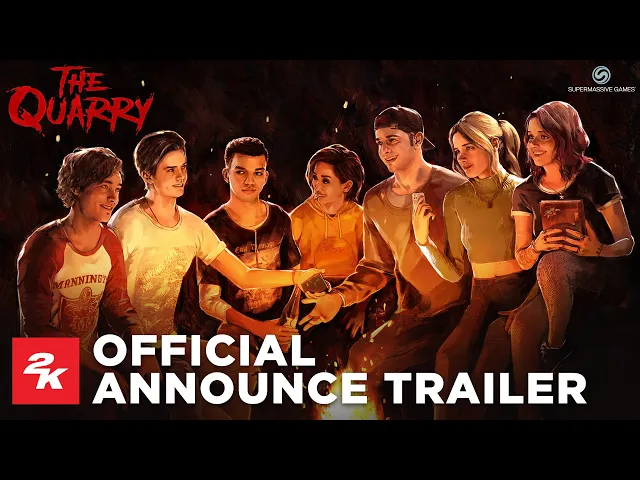
A spiritual successor to Until Dawn from the same studio, Supermassive Games. In The Quarry, nine summer camp counselors become stranded overnight after the season ends. From that point, all hell breaks loose in accordance with the traditions of classic slasher films.
The branching-choice mechanics are on par with Until Dawn: any of the nine characters can be saved or killed, leaving the consequences of every decision on the player’s conscience. The Quarry also supports cooperative play, making it one of the best co-op horror games.
The Dark Pictures Anthology
An anthology of interactive horror games from Supermassive Games, with each installment telling a self-contained story featuring a new cast. Man of Medan takes players aboard a ghost ship, Little Hope visits a town with a history of witch trials, House of Ashes descends into an underground Akkadian temple inhabited by unknown creatures, and The Devil in Me explores a hotel designed as a death trap. In 2026, the space-set Directive 8020 joined the anthology.
Any character can die because of a poor decision or a failed QTE. The anthology is especially well suited to groups: in Movie Night mode, up to five players divide the characters among themselves and pass the controller around. Newcomers can play chronologically, starting with Man of Medan, or jump directly into House of Ashes — the strongest entry in the first season.
Great Games with Horror Elements
These genre hybrids use horror not as their central focus, but as one tool among many. They contain moments worthy of our selection of the scariest jump scares in gaming, but combine them with action, adventure, or world exploration to create a more accessible yet still atmospheric experience. These games are ideal for anyone who wants tension and adrenaline without committing to pure survival horror, harsh resource restrictions, and an oppressive atmosphere.
Hellblade: Senua's Sacrifice
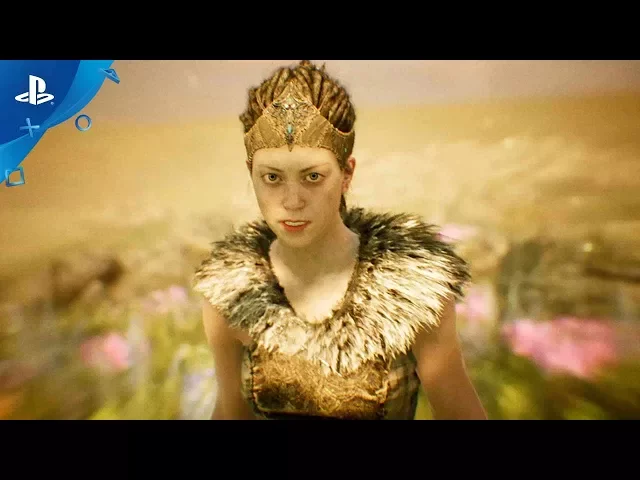
Ninja Theory created the game in collaboration with neuroscientists and people who had experienced psychosis, seeking to portray the story of a heroine living with schizophrenia more effectively. The voices inside Senua’s head — and the player’s headphones — speak constantly from different directions, interrupting one another.
Hellblade: Senua's Sacrifice does not simulate fear so much as the mental state of someone who has lost touch with reality. The game deliberately refuses to explain which events are real and which exist only inside the protagonist’s mind. The farther Senua travels, the harder that thin boundary becomes to identify.
Senua's Saga: Hellblade 2
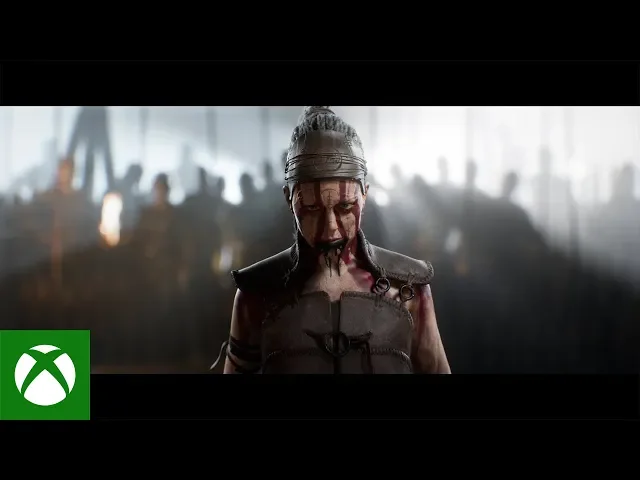
The sequel does not attempt to recreate the emotional impact of the first game — Senua transforms from a victim into a protector — and instead focuses on scale, cinematic presentation, and visual spectacle. Senua's Saga: Hellblade 2 is one of the most impressive modern games in terms of graphics and direction, developed exclusively for powerful PCs and current-generation consoles.
Control
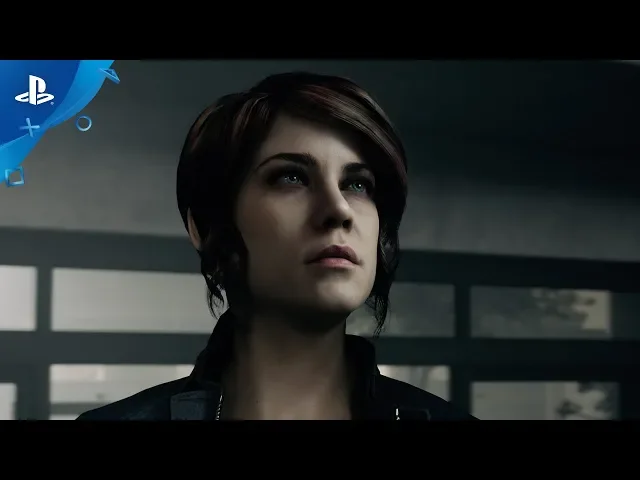
The Federal Bureau of Control is a secret agency dedicated to studying paranormal phenomena. One day, an outsider walks into its headquarters and becomes its director without warning. Control represents Remedy at the height of its powers. The Finnish studio created an unforgettable setting: the Oldest House, a brutalist concrete labyrinth governed by its own laws of physics and inhabited by Objects of Power, strange items, and entities that defy rational explanation.
Yes, this is more action game than horror, but its atmosphere of mystery is even more pronounced than in most games devoted entirely to fear. Another advantage is that the events of Control are connected to Alan Wake 2, discussed above.
Returnal
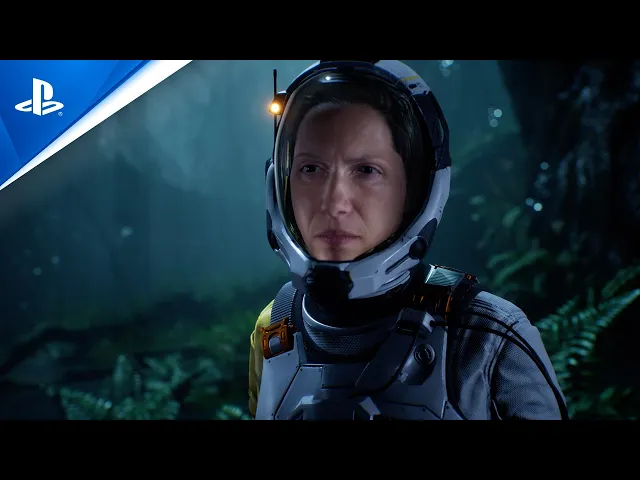
A female astronaut crash-lands on a mysterious planet and repeatedly awakens beside the wreckage of her own ship — alive even after dying. Death is not an ending here, but a mechanic: Returnal resets its levels while gradually revealing new details of the story. This device turns a recurring nightmare into a literal one — an inescapable cycle that becomes increasingly disturbing as the truth begins to emerge.
A demanding, impeccably polished, and wholly unique experience that resists being confined to any single genre. Anyone undeterred by the high difficulty should experience it.
Bloodborne
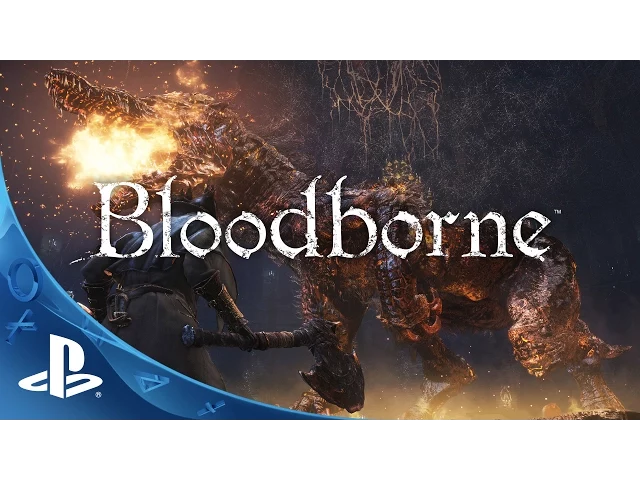
Perhaps the only game of its kind, Bloodborne takes the punishing mechanics of FromSoftware’s Souls titles and places them inside one of the darkest, most hopeless, and most Lovecraftian settings in video game history. The plague-ridden Victorian city of Yharnam is arguably an even more terrifying place than Silent Hill.
Bloodborne frightens players not so much with monsters as with a gradual descent into madness, as the forces behind the game’s nightmare slowly become clear. It is one of the few action horror games whose universe and lore remain subjects of discussion and interpretation many years after release, as we explained in our article 10 Years of Bloodborne — Still the Best FromSoftware Game. It is also an exceptionally demanding title that earned its place in our ranking of the hardest games.
Death Stranding: Director's Cut
Death Stranding cannot be described as a full-fledged horror game, but the genre’s elements play an important role. Encounters with Beached Things are built around fear of an invisible threat: Sam must move slowly, hold his breath, and follow the readings of his Odradek scanner while strange footsteps and heavy breathing surround him. Bleak landscapes, black tar, and unsettling scenes involving ghosts create the impression of a world where the boundary between life and death itself has been broken. Some of these ideas may have carried over from the canceled Silent Hills and its teaser, P.T. — Hideo Kojima’s other project with Norman Reedus.
Prey
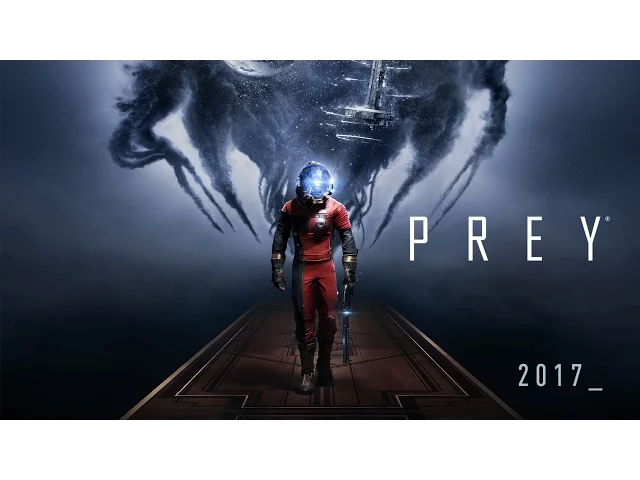
A spiritual successor to System Shock 2 that also stands as an original game in its own right. Prey places the player aboard the orbital station Talos I, which has been overrun by alien Mimics capable of assuming the form of almost any object. Every mug and every chair is potentially dangerous, creating a sense of paranoia that persists until the finale.
Arkane designed Talos I as an immersive sim sandbox: the station is fully interconnected, each section leads into another, and the freedom available to players is enormous. Prey belongs naturally alongside System Shock 2 on this list — the same fundamental idea refined for the modern era.
Horror Games of 2026 and 2027: What to Expect in the Near Future
The genre shows no signs of slowing down. Following Resident Evil Requiem and the Fatal Frame 2 remake, three more major releases are still ahead — from the long-awaited Code Veronica remake to a new Silent Hill set in Scotland and the first full-fledged Hellraiser game in years.
Resident Evil Veronica
Capcom is currently developing a full remake of Resident Evil: Code Veronica, announced at Summer Game Fest 2026. Claire Redfield’s story on Rockfort Island is being reworked by the team behind the updated RE2 and RE4, complete with an over-the-shoulder camera, a modern combat system, new cinematic direction, and graphics powered by RE Engine.
The original was released in 2000 and remained one of the few classic installments without a remake for many years. The search for Chris, the Ashford family, and an escape from an island overrun by mutants remain at the heart of the story. Resident Evil Veronica will be released in 2027 for PC and modern consoles.
Silent Hill: Townfall
A new entry in the series from Screen Burn Interactive, formerly known as No Code, the studio behind Stories Untold and Observation. The protagonist returns to the isolated Scottish island of St. Amelia, where fog is gradually consuming the town and an old portable television can pick up strange signals and reveal traces of the past.
Silent Hill: Townfall is played entirely from a first-person perspective and combines exploration, puzzles, stealth, and occasional encounters with monsters. Judging by the trailers, this will be one of the most unusual installments in the series. The game will be released on September 24, 2026, for PC and PS5.
Clive Barker's Hellraiser: Revival
This full-fledged game set in the Hellraiser universe is a story-driven first-person action horror title. The protagonist, Aidan, attempts to rescue his girlfriend Sunny from the Labyrinth by wielding the powers of a new puzzle box known as the Genesis Configuration.
Clive Barker himself is overseeing the story, while Doug Bradley will voice Pinhead again for the first time in almost twenty years. Players can expect horrifying Cenobites, melee weapons, and uncensored body horror. The release is scheduled for October 8, 2026.
Zombie apocalypse in an hour, no time to get home. Which horror-game world would you rather fall into if you actually want to survive?
Frequently Asked Questions About Horror Games
What are the most popular horror games right now?
The current hits include Resident Evil Requiem, Silent Hill f, and the Silent Hill 2 remake. All three offer modern graphics, strong stories, and varied mechanics. Requiem stands apart: it is the first installment developed exclusively for current-generation consoles and marks Leon S. Kennedy’s return after a long absence. Indie fans should consider Mouthwashing, with 95% positive reviews on Steam, and Look Outside, with 98%. Neither takes more than three evenings to complete.
Which horror games were released between 2024 and 2026?
The standout releases from 2024–2026 include Resident Evil Requiem (February 2026), Silent Hill f (September 2025), the Silent Hill 2 remake (2024), the Fatal Frame 2: Crimson Butterfly remake (March 2026), Cronos: The New Dawn (2025), Mouthwashing (2024), Look Outside (2025), Labyrinth of the Demon King (2025), Crow Country (2024), and Still Wakes the Deep (2024). All of them appear in this ranking — the genre is enjoying one of the strongest periods in its history. Silent Hill: Townfall (September 24) and Clive Barker's Hellraiser: Revival (October 8) are also expected before the end of 2026.
What is the best horror game for a beginner?
Resident Evil Village is an excellent starting point: it is not excessively demanding, looks impressive, and requires no knowledge of the earlier games. Anyone interested in classic survival horror should try the Resident Evil 2 remake — it is accessible, well-balanced, and genuinely atmospheric. If the budget is limited but the genre still looks appealing, start with the free first night of Five Nights at Freddy's or the short Iron Lung.

Which horror games use jump scares, and which do not?
Five Nights at Freddy's, MADiSON, Outlast, and Murder House are masters of the traditional jump scare — Puppet Combo’s entire catalog is built around them — frightening players with sudden figures lunging into view. Horror games with no jump scares, or almost none, include SOMA, Amnesia: The Dark Descent, Detention, Darkwood, and Iron Lung. They rely on atmosphere, sound, and storytelling instead of “a face suddenly appearing from around the corner.” Many of the genre’s best games, including Silent Hill 2, Alien: Isolation, and SIGNALIS, use jump scares sparingly — as punctuation rather than their primary technique.
Are there horror games for low-end PCs?
Yes, and there are plenty of them. Amnesia: The Dark Descent, Penumbra: Black Plague, F.E.A.R., Outlast, Darkwood, Cry of Fear, which is completely free, Iron Lung, FAITH: The Unholy Trinity, Fears to Fathom, and SIGNALIS all run well on basic office PCs and older laptops. A separate selection devoted to horror games for low-spec hardware is available in the site’s themed rankings section, covering titles with system requirements around a GTX 1050 or lower.
What frightening horror games are available for free?
Cry of Fear is a full-length 8–10-hour horror game available completely free on Steam. The first chapter of Poppy Playtime and the first night of Five Nights at Freddy's are also distributed for free. Many horror games in this ranking also have free Steam demos, including Mouthwashing and MADiSON. These demos last 30–60 minutes and provide enough time to decide whether the full game is worth buying.
Are there good horror games on PlayStation 5?
Yes, and there are many: Resident Evil Requiem, Silent Hill f, the Silent Hill 2 remake, Alan Wake 2, Resident Evil Village, the Dead Space remake, Resident Evil 7, and Until Dawn are all available on PS5. Some support the DualSense adaptive triggers: the trigger begins resisting when ammunition runs low, while the protagonist’s heartbeat is conveyed through controller vibration, noticeably strengthening the sense of presence.
Which horror games are available on Nintendo Switch and Nintendo Switch 2?
Alien: Isolation, Amnesia: The Dark Descent, Clock Tower: Rewind, Darkwood, and Outlast are available on Switch. They may not be the newest releases, but all of them play well in handheld mode — and experiencing horror in the dark with headphones is especially effective. Nintendo Switch 2 owners can play Resident Evil 7, Resident Evil Village, and Resident Evil Requiem, as Capcom is prioritizing ports of its recent horror games for the new system.
Are there good horror games for phones on Android and iOS?
The mobile horror market is considerably smaller than its PC and console counterparts, but worthwhile options still exist. Full mobile ports include Alien: Isolation, the Resident Evil 4 remake, which requires one of the latest iPhones, Resident Evil Village, and the original Outlast on iOS and Android. Notable games developed specifically for mobile devices include Forgotten Memories and the Eyes: Horror & Cooperative series.
Are there any open-world horror games?
They are rare, but such games do exist. The Evil Within 2 experiments with semi-open levels and side quests. Darkwood offers a procedurally generated forest to explore. Alan Wake 2 provides some freedom to move between locations, although it is not a true open world. Amnesia: The Bunker comes closest to a genuine “horror sandbox” through its immersive sim approach to a First World War bunker.

What are the best first-person horror games?
The following games use a first-person perspective: Resident Evil 7, Resident Evil Village, Resident Evil Requiem, Amnesia: The Dark Descent, Amnesia: The Bunker, Outlast, Outlast 2, F.E.A.R., System Shock 2, Prey, Visage, MADiSON, Cry of Fear, and Still Wakes the Deep. The first-person perspective maximizes the sense of presence — players do not merely observe the protagonist; they become the protagonist.
What horror games do you like? Share in the comments!
How do you feel about jump scares in games?
What Else to Play?
The best horror games of all time do not belong to a single genre or follow one formula. Survival horror with scarce ammunition, psychological horror without a single monster, stealth horror where hiding is the only option, and horror shooters with full-fledged action all create fear through different mechanics. The frightening games featured here can be found across PC, PlayStation 5, Xbox Series X/S, and Nintendo Switch — and every one of them will stay with you.
Below are the games that did not make the main ranking. They are not pure horror, but they still deliver plenty of tension. After seventy horror games, anyone craving something on the genre’s fringes should take a closer look.
Subnautica
An ocean planet, a dwindling oxygen supply, and sounds rising from the depths that are better left unheard. Subnautica is a survival game rather than horror, but its fear of the deep and the monsters lurking below can be more frightening than the jump scares in many actual horror games. Descending into a dark trench aboard a homemade submarine requires strong nerves. The game has 97% positive reviews on Steam.
Dying Light
During the day, Harran allows players to move calmly across rooftops, search for supplies, and dispatch slow-moving infected. At night, the rules change: Volatiles emerge onto the streets — fast predators capable of pursuing the protagonist across buildings and keeping pace even during parkour sequences.
A chase quickly escalates, more enemies join the pursuit, and the UV flashlight stops them only briefly. As a result, the journey to the nearest safe zone turns into several minutes of pure panic. These nighttime expeditions are why Dying Light regularly appears in horror rankings, even though the rest of the game is an open-world action title with survival elements.
INSIDE
An unnamed boy makes his way through a dystopian world where people are captured, arranged into lines, and controlled with strange devices. There are almost no conventional scares — Playdead creates unease through the cold indifference of everything happening on screen. Guards unleash dogs, workers mindlessly repeat the same movements, and laboratory experiments look as though they escaped control long ago.
What makes the experience especially disturbing is the game’s refusal to explain anything, forcing players to connect what they see for themselves. The ending only raises more questions and completely changes the perception of everything that came before.
Buckshot Roulette
Russian roulette played with a pump-action shotgun, with the sinister Dealer sitting across the table instead of an ordinary opponent. At the beginning of each round, he loads a mixture of live and blank shells, after which the player decides whom to shoot — the Dealer or themselves. Cigarettes, handcuffs, a magnifying glass, and other items gradually appear on the table, allowing players to inspect a shell or manipulate the situation.
Buckshot Roulette is closer to a gambling game than conventional horror, but it generates tension extremely well. A single match takes around 20 minutes, yet the urge to win back a loss can easily stretch the session into several hours. The game has 95% positive reviews on Steam.
Best Horror Games on PC and Consoles
- 70 Best Horror Games of All Time (2026)
- Best Co-Op Horror Games — The Scariest Titles to Play with a Friend
- Zombie Shooters: The Best Games on PC, PS4, PS5, Xbox, and Switch
- Mainline Resident Evil Games Ranked From Worst To Best
- Mainline Silent Hill Games Ranked from Worst to Best
- TOP-15 Psychological Horror Games Guaranteed to Break Your Mind
- The 15 Scariest Game Characters and Monsters (2026)
- 21 Games Similar to MiSide: Horror Games Featuring Cute Girls and Hidden Meanings
- 37 Best Short Horror Games on PC: Scary Games You Can Finish in One Evening
- TOP-5 scariest gaming jump scares
- Games Like Outlast: Best Horror Games Where You Hide, Not Fight
- 63 Best Mobile Horror Games — Scariest Picks for Android and iOS
-
 Best Horror Movies of All Time: Top Picks for Scary Movie Fans
 -
 The Texas Chain Saw Massacre Is Getting a Hand-Animated Makeover — First Look Revealed
 -
 The First Teaser for American Horror Story Season 13 Is Here — Jessica Lange and Evan Peters Return
 -
 Best Weird Eastern European Indie Games: Surreal, Dark & Unmissable
 -
 52 Best Post-Apocalyptic Games to Play on PC, PS5 & Xbox